

Archive · 28 May 2025
Brazil Debates Lifelike Dolls and Collectors' Behavior
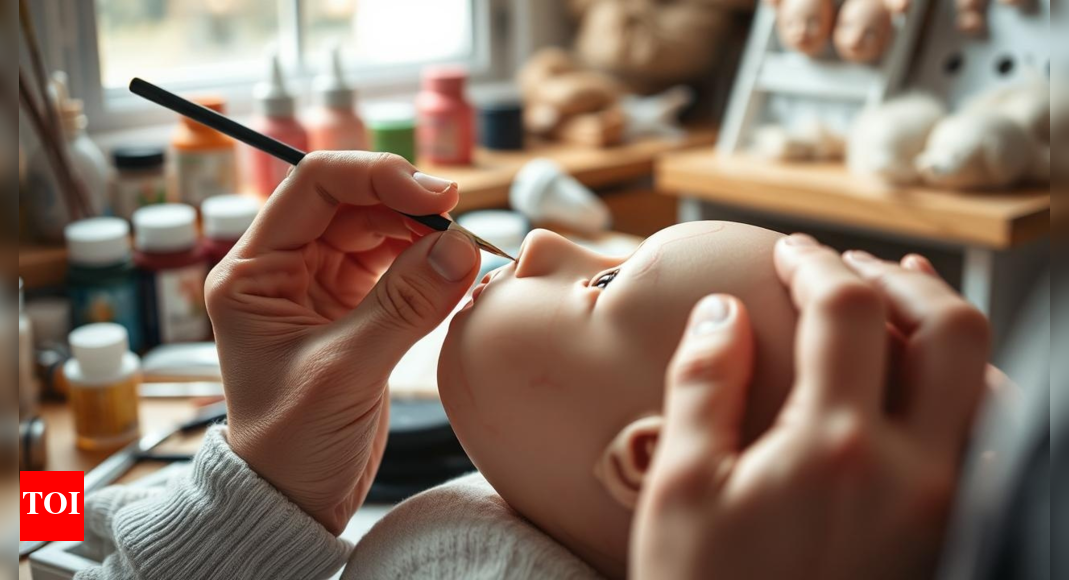
Imagine dolls that look exactly like real babies!
These "reborn" dolls are super popular in Brazil.
People buy them and sometimes treat them like real children.
Some people think this is strange and worry about the collectors' mental health.
Others see it as a harmless hobby, like collecting anything else.
The dolls are expensive and have caused a big argument.
People on social media and even politicians are talking about it.
The debate is whether this is a normal hobby or something that needs professional help.

Hyper-realistic dolls known as "reborns" have become increasingly popular in Brazil.
The dolls closely resemble real babies, and some collectors treat them as such.
The trend has sparked a debate about mental health and social perceptions.
Some critics view the collectors as mentally unstable or attention seeking.
Others defend the hobby as harmless, comparing it to other forms of collecting.
- Who
- Doll collectors and critics in Brazil
- What
- A social debate surrounding the collecting of hyper-realistic 'reborn' dolls.
- When
- The debate arose recently after collectors held a gathering in a park in Sao Paulo.
- Where
- Brazil
- Why
- Due to the rise in popularity of lifelike dolls, leading to debate about mental health and social perceptions of collectors.
Critics' View
Supporters' View
Mental Health
Critics' View
Collecting dolls may indicate a need for psychological help.
Supporters' View
Collectors are not mentally ill; it is a harmless hobby.
Social Perception
Critics' View
Collectors are viewed as acting deranged, with some facing social stigma.
Supporters' View
The hobby is no different from other interests and should not be stigmatized.
- Country
- Brazil
- Subject
- Lifelike dolls
- Supporters
- Doll store owner, Alana Generoso
- Concerns
- Criticism, potential psychological issues
- Cost
- Dolls can cost thousands of dollars
- Political Concerns
- Some MPs have expressed concerns about collectors using the dolls to cut public service queues