5 days ago
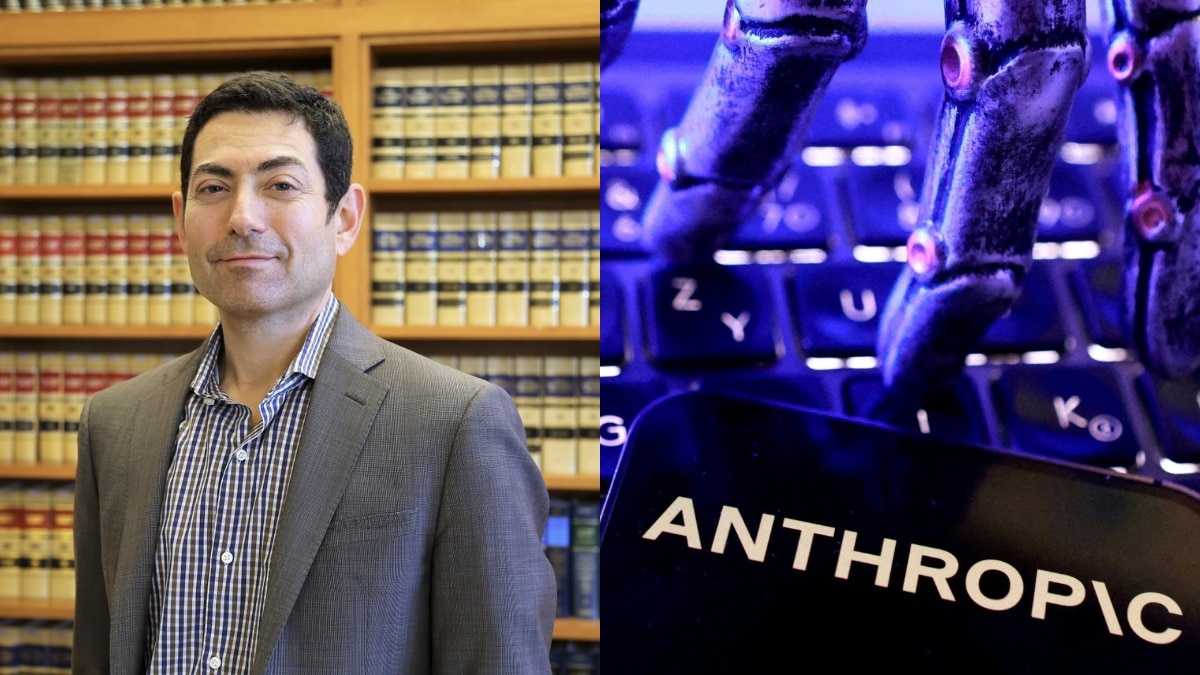
Judge Blocks Pentagon Blacklist of Anthropic Over AI Limits

Anthropic makes an artificial-intelligence system called Claude.
The company told the military that Claude could not be used for autonomous weapons or some domestic surveillance.
Anthropic said today’s AI systems are not reliable enough for those jobs without human control.
The Pentagon responded by labeling Anthropic a national security supply-chain risk.
That label could keep the company from receiving some military contracts.
Anthropic sued, saying the government was punishing it for expressing safety concerns.
Judge Rita Lin blocked the Pentagon from enforcing the label and called the action illegal and baseless.
The government said Anthropic’s restrictions might make military operations less dependable.
Another lawsuit about civilian government contracts is still pending.

Judge Rita Lin blocked the Pentagon from enforcing its designation of Anthropic as a national security supply-chain risk.
Anthropic argued the designation was retaliation for restricting Claude’s use in autonomous weapons and domestic surveillance.
Lin called the government’s action illegal and baseless, saying national security is not a blank check to punish critics.
The Justice Department said Anthropic’s contractual restrictions created uncertainty that could disrupt military operations.
The ruling does not resolve a separate Washington, DC, case involving Anthropic’s civilian government contracts.
- Who
- Anthropic, the Pentagon, Defense Secretary Pete Hegseth, the Justice Department, and US District Judge Rita Lin.
- What
- Judge Lin blocked enforcement of the Pentagon’s designation of Anthropic as a national security supply-chain risk.
- Where
- The main case was filed in a California federal court; a separate case is pending in Washington, DC.
- When
- The ruling was issued on Thursday; Anthropic filed the California lawsuit on March 9.
- Why
- The dispute followed Anthropic’s refusal to allow Claude to be used for autonomous weapons and certain domestic surveillance, while the government said those restrictions created operational uncertainty.
Anthropic’s position
Pentagon and Justice Department’s position
Reason for the designation
Anthropic’s position
Anthropic said the Pentagon targeted it in retaliation for its AI-safety positions and refusal to remove restrictions on autonomous weapons and domestic surveillance.
Pentagon and Justice Department’s position
The Justice Department said the designation was not based on Anthropic’s views, but on contractual conditions that raised concerns about reliance on Claude.
Legal basis
Anthropic’s position
Anthropic argued that the action exceeded the Pentagon’s authority and violated its First Amendment rights and Fifth Amendment due-process protections.
Pentagon and Justice Department’s position
The government defended the designation as a national-security and procurement measure intended to address risks to military operations.
Operational risk
Anthropic’s position
Anthropic said current AI systems are not reliable enough to operate autonomous weapons safely and opposed domestic surveillance on civil-liberties grounds.
Pentagon and Justice Department’s position
The government argued that Anthropic’s restrictions could create uncertainty and potentially disrupt or disable military systems during operations.
Key facts
- Judge
- US District Judge Rita Lin
- Designating agency
- The Pentagon, under Defense Secretary Pete Hegseth
- Company
- Anthropic
- AI system
- Claude
- Designation
- National security supply-chain risk
- Potential impact
- The designation could block Anthropic from some military contracts and threaten billions of dollars in business.
- Related litigation
- A separate case concerning civilian government contracts remains pending in Washington, DC.
Quotes
Danielle Cohen
Anthropic spokesperson
“While this case was necessary to protect Anthropic, our customers, and our partners, our focus remains on working productively with the government to ensure all Americans benefit from safe, reliable AI.”
 businesstoday.in
“Punishing Anthropic for bringing public scrutiny to the government's contracting position is classic illegal First Amendment retaliation.”
businesstoday.in
Sources
Related news
Judge Blocks Pentagon’s Anthropic Supply Chain Risk Designation

Judge Blocks Pentagon Blacklisting of Anthropic Over AI Safety

Judge Blocks Pentagon Retaliation Against Anthropic Over AI Limits
Pentagon Launches AI Portal Without Anthropic’s Claude Model

Anthropic Rebuilds Ties With Trump Administration After Pentagon Feud