

Archive · 20 May 2025
16th-Century Inscription in Karnataka Documents Drought Deaths
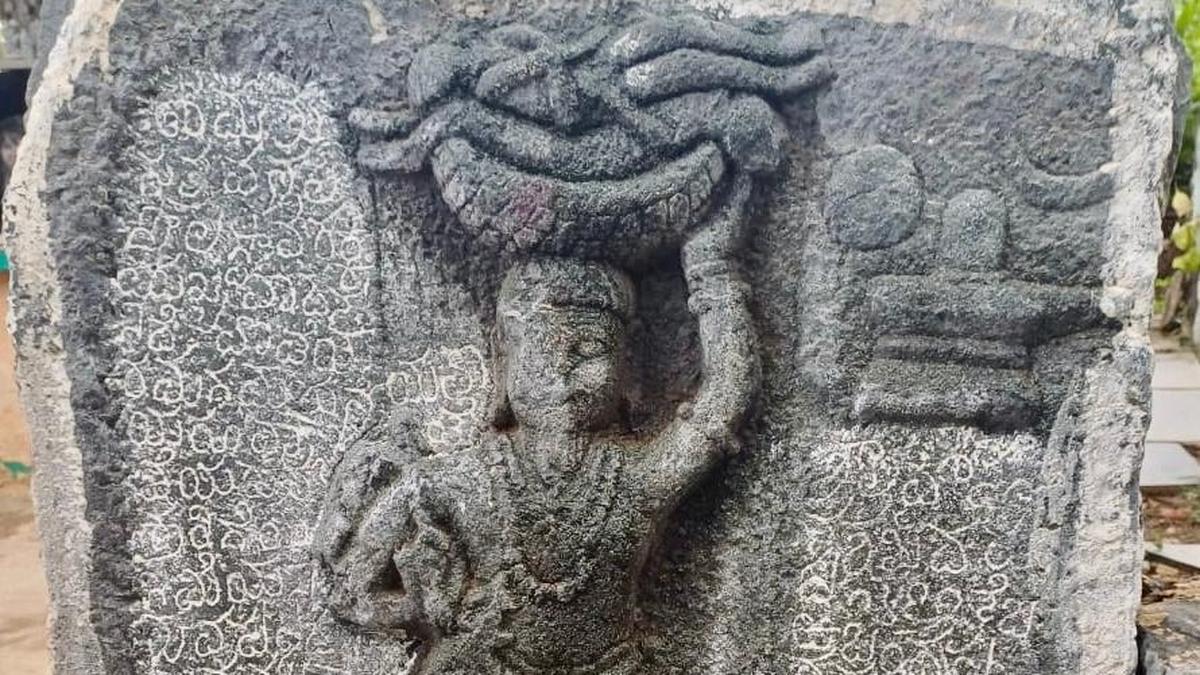
A historical discovery in India revealed an inscription from 1539 documenting a major drought.
This inscription, found in Karnataka, is written in Kannada and details the tragic loss of 6,307 lives.
The record, which is unique for its time, describes how a local individual, Marulaih Odeya, helped bury the dead.
This find offers a rare glimpse into the hardships faced by people centuries ago.
It helps us understand how natural disasters affected communities and how they coped.
Further research could uncover details about climate, administration and demographic changes.

A 16th-century inscription found in Karnataka details the deaths of 6,307 people due to drought.
The inscription, written in Kannada, dates back to August 18, 1539 CE.
It is located near the Chandrashekara temple in Guttala, Haveri district.
The record describes the burial of the deceased by Marulaih Odeya.
The discovery is considered a significant addition to India’s epigraphic heritage.
- Who
- The inscription mentions the deaths of 6,307 people and Marulaih Odeya, who buried the dead.
- What
- A sculptural inscription recording the death of 6,307 people due to drought.
- When
- August 18, 1539 CE
- Where
- Haveri district of Karnataka, near the Chandrashekara temple at Guttala
- Why
- The inscription was created to record the tragedy and human toll of the drought.
- Date of Inscription
- August 18, 1539 CE
- Language of Inscription
- Kannada
- Location of Discovery
- Haveri district, Karnataka
- Reported Deaths
- 6,307
- Person Mentioned
- Marulaih Odeya
- Cause of Deaths
- Drought