

Archive · 30 Jul 2025
Why High Visceral Fat Is Dangerous and How to Reduce It
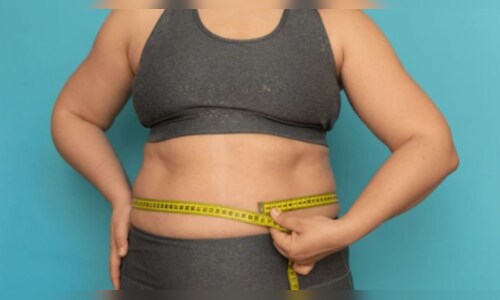
Visceral fat is the fat stored deep inside your belly, around your organs, which is different from the fat just under your skin.
Having too much of it is bad for your health, increasing the risk of serious problems like diabetes and heart disease.
You can reduce visceral fat by exercising regularly, eating healthy foods like fruits and vegetables, and getting enough sleep.
Also, it's important to manage stress and limit alcohol.
These changes help your body burn fat and stay healthy.

Visceral fat, deep abdominal fat, increases the risk of serious health conditions like type 2 diabetes and heart disease.
Excessive visceral fat releases inflammatory chemicals that may affect hormones and raise insulin resistance.
Exercise, including aerobic and high-intensity interval training (HIIT), is effective in reducing visceral fat.
A healthy diet with lean proteins, whole grains, fruits, and vegetables, and diets low in carbs are beneficial.
Reducing stress, getting enough sleep, and avoiding excessive alcohol intake also help reduce visceral fat.
- Who
- Visceral fat affects individuals, and reducing it can improve health.
- What
- Visceral fat is a type of deep abdominal fat that surrounds internal organs and impacts overall health.
- When
- No specific timeframe is mentioned for the onset or impact of visceral fat.
- Where
- Visceral fat is located around the stomach, intestines, liver, and other internal organs.
- Why
- Excess visceral fat increases the risk of chronic diseases due to the release of inflammatory chemicals.
Health Concerns
Fat Perspective
Impact of visceral fat levels
Health Concerns
Excessive visceral fat is unhealthy and can cause various chronic diseases.
Fat Perspective
Visceral fat in moderation may be normal and protect the internal organs.
- What is Visceral Fat?
- Deep abdominal fat around internal organs.
- Health Risks
- Increased risk of type 2 diabetes, heart disease, stroke, and some cancers.
- Healthy Diet Includes
- Lean proteins, whole grains, low-fat dairy, fruits, and vegetables.
- Effective Exercises
- Brisk walking, swimming, cycling, and HIIT.
- Recommended Sleep
- At least 7-9 hours of sleep.
- Limit
- Alcohol and sugary foods