3 weeks ago
Study: Gut Bacteria May Explain Western Diet Colon Cancer Risk
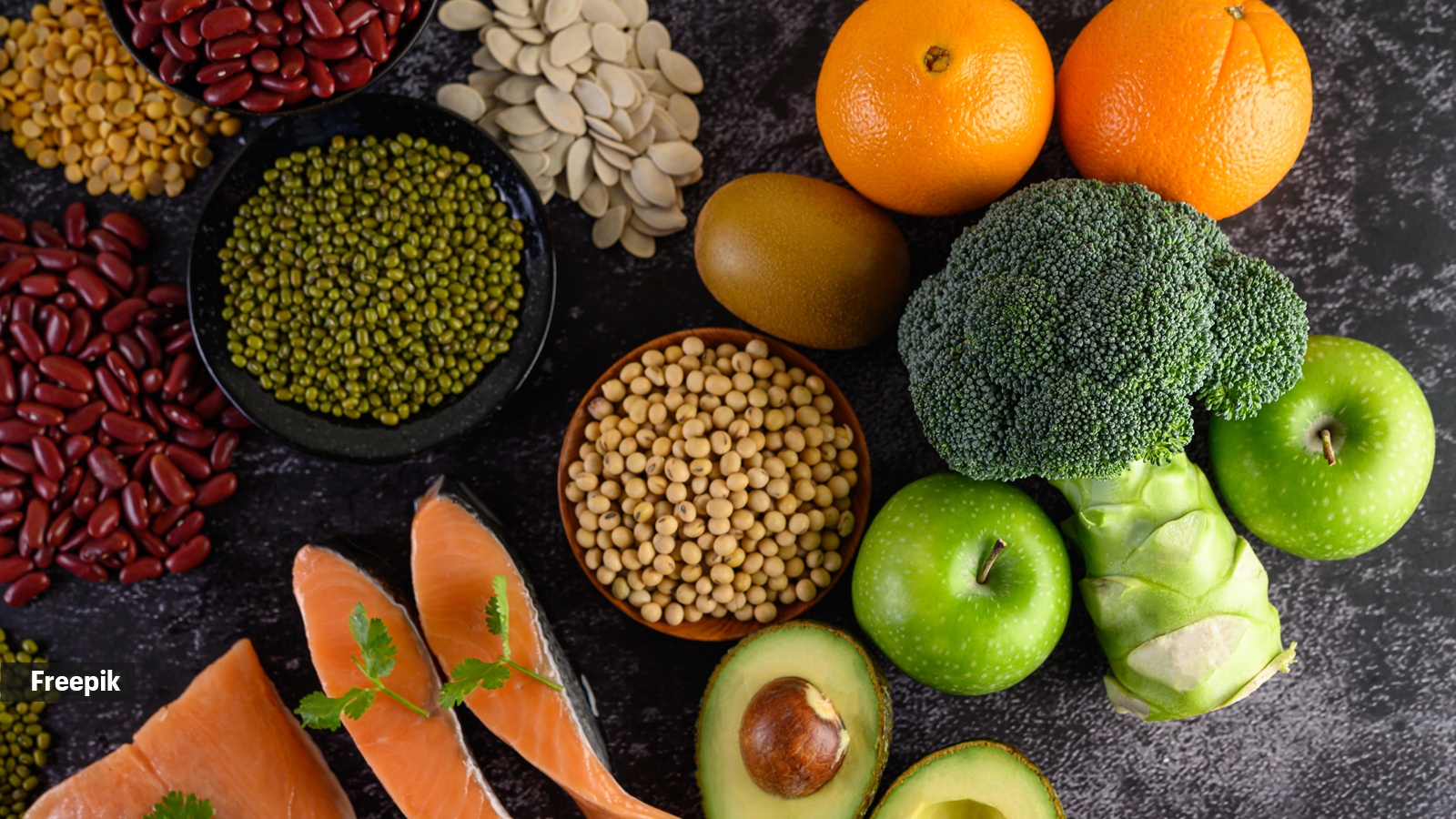
Scientists found a possible reason why a "Western diet" — one rich in fatty foods and red meat and low in fiber — may make people more likely to get colon cancer.
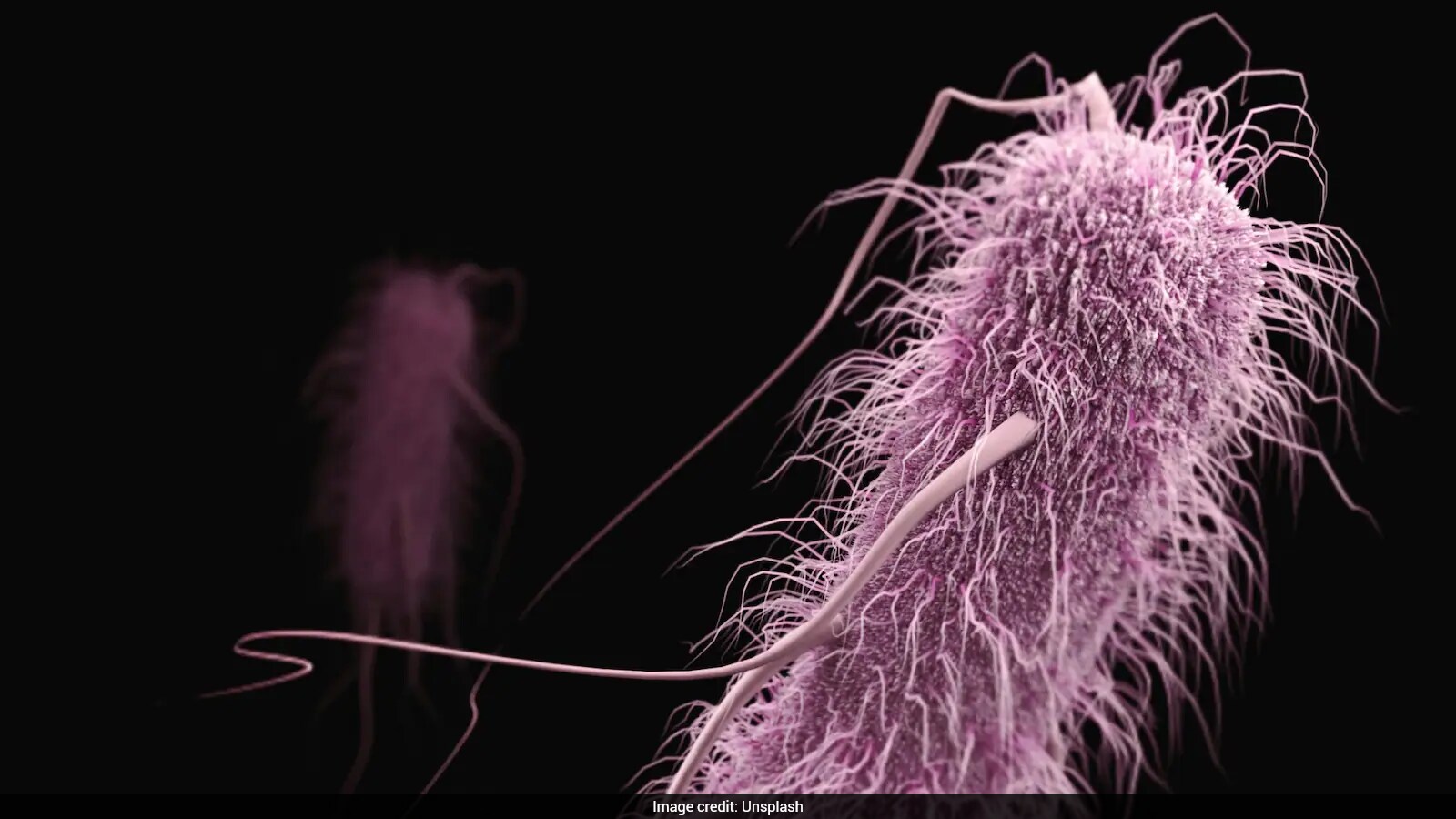
Inside the intestines live tiny living things called bacteria.
Some of these bacteria turn natural chemicals made by the body into a substance called deoxycholic acid, or DCA.
Too much DCA makes the cells that line the colon grow and multiply too much, which can lead to tumors.
The scientists tested this idea in pigs, mice, and human colon cells grown in a lab.
Pigs that ate a Western-style diet showed more serious signs of colorectal cancer and had much more DCA than pigs on healthier diets.
Mice given bacteria that make DCA developed more colon tumors, while mice with bacteria changed so they could not make DCA had far fewer tumors.
In people, stool samples showed that bacteria linked to DCA production were more common in those with colorectal cancer than in healthy people.
This research could one day help doctors spot people at higher risk with a simple stool test, but more human studies are needed first.

A study published in the journal Gut found that certain gut bacteria may explain how a Western-style diet raises colorectal cancer risk.
Researchers identified deoxycholic acid (DCA), a secondary bile acid produced by specific gut bacteria, as a major factor.
Pigs fed a Western-style diet developed more severe signs of colorectal cancer and had significantly higher DCA levels than those on healthier diets.
Mice with bacteria capable of producing DCA developed more colon tumors, while bacteria altered to prevent DCA production caused far fewer tumors.
Human stool samples showed bacteria linked to DCA production were more common in people with colorectal cancer than in healthy individuals.
- Who
- An international team of researchers (individuals not named in the article) who studied genetically engineered pigs, mice, lab-grown human colon tissue, and stool samples from thousands of people.
- What
- A study in the journal Gut showing that gut bacteria convert bile acids into deoxycholic acid (DCA), which may increase colorectal cancer risk by stimulating growth of colon lining cells.
- Where
- Specific locations not stated; the study was conducted by an international team and published in the journal Gut.
- When
- Publication date not stated in the article; the findings were reported in the journal Gut.
- Why
- To explain the biological process behind the long-known link between Western diets (rich in fat and red meat, low in fiber) and higher colorectal cancer risk, potentially enabling prevention and risk identification.
Key facts
- Publication
- Journal Gut
- Key factor identified
- Deoxycholic acid (DCA), a secondary bile acid produced by specific gut bacteria
- Western diet traits
- Rich in fat and red meat, low in fiber
- Research methods
- Genetically engineered pigs, mice, lab-grown human colon tissue, and human stool sample analyses
- Effect of DCA
- Stimulated growth and multiplication of cells lining the colon
- Human findings
- DCA-producing bacteria more common in stool samples of people with colorectal cancer
- Potential applications
- Stool-based risk testing and dietary changes or treatments targeting gut bacteria
- Caveat
- More studies in humans needed before use in routine clinical practice