

Archive · 23 Jan 2026
Eravikulam's Transformation from Vacant Land to Biodiversity Hotspot
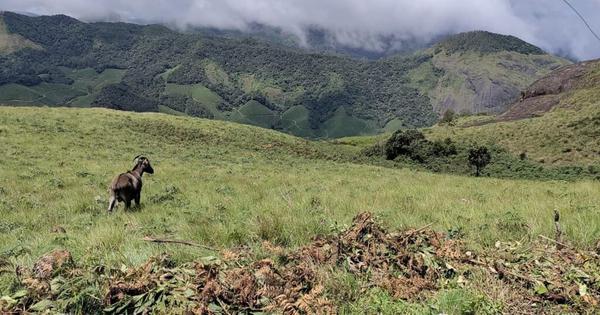
Eravikulam is a special place in Kerala, India, known for its beautiful grasslands and unique animals.
A long time ago, people thought this land was empty and not useful.
They almost turned it into farms or tea plantations.
But some brave people, including tribal communities and scientists, worked hard to protect it.
They showed that the grasslands were home to special animals like the Nilgiri tahr and plants like the Neelakurinji, which blooms only once every 12 years.
Thanks to their efforts, Eravikulam became a national park in 1975.
Today, it is a important place for protecting nature, but it still faces challenges like tourism and climate change.
The story of Eravikulam teaches us about the importance of patience and understanding in protecting our environment.

Eravikulam was once considered 'vacant' land and threatened by plantation expansion and land reforms.
The Muthuvan tribal community and scientists played crucial roles in protecting the area's unique biodiversity.
Eravikulam was declared a national park in 1975, ahead of the more famous Silent Valley movement.
The park is home to the highest concentration of Nilgiri tahr and the Neelakurinji plant, which blooms once every 12 years.
Current threats to Eravikulam include soil compaction, climate change, feral dogs, and tourism.
- Who
- Muthuvan tribal community, scientists, government officials, environmental activists, and former plantation managers
- What
- The transformation of Eravikulam from 'vacant' land to a national park and biodiversity hotspot
- When
- Over the past 50 years, with significant events in the 1970s
- Where
- Eravikulam, near Munnar in Idukki district, Kerala, India
- Why
- To protect the endangered Nilgiri tahr and the unique shola-grassland ecosystem
- Location
- Eravikulam, Idukki district, Kerala, India
- Key Species
- Nilgiri tahr, Neelakurinji (Strobilanthes kunthiana)
- Current Status
- National Park
- Nilgiri Tahr Population
- 841 in Eravikulam, 2,668 across Kerala and Tamil Nadu
- Neelakurinji Bloom Cycle
- Once every 12 years
- Threats
- Soil compaction, climate change, feral dogs, tourism
- Conservation Efforts
- Protected by Muthuvan tribal community, scientists, and government officials
- Established as National Park
- 1975