Archive · 8 Oct 2026
Trump Administration Proposes $70,000 OPT Fee for International Students
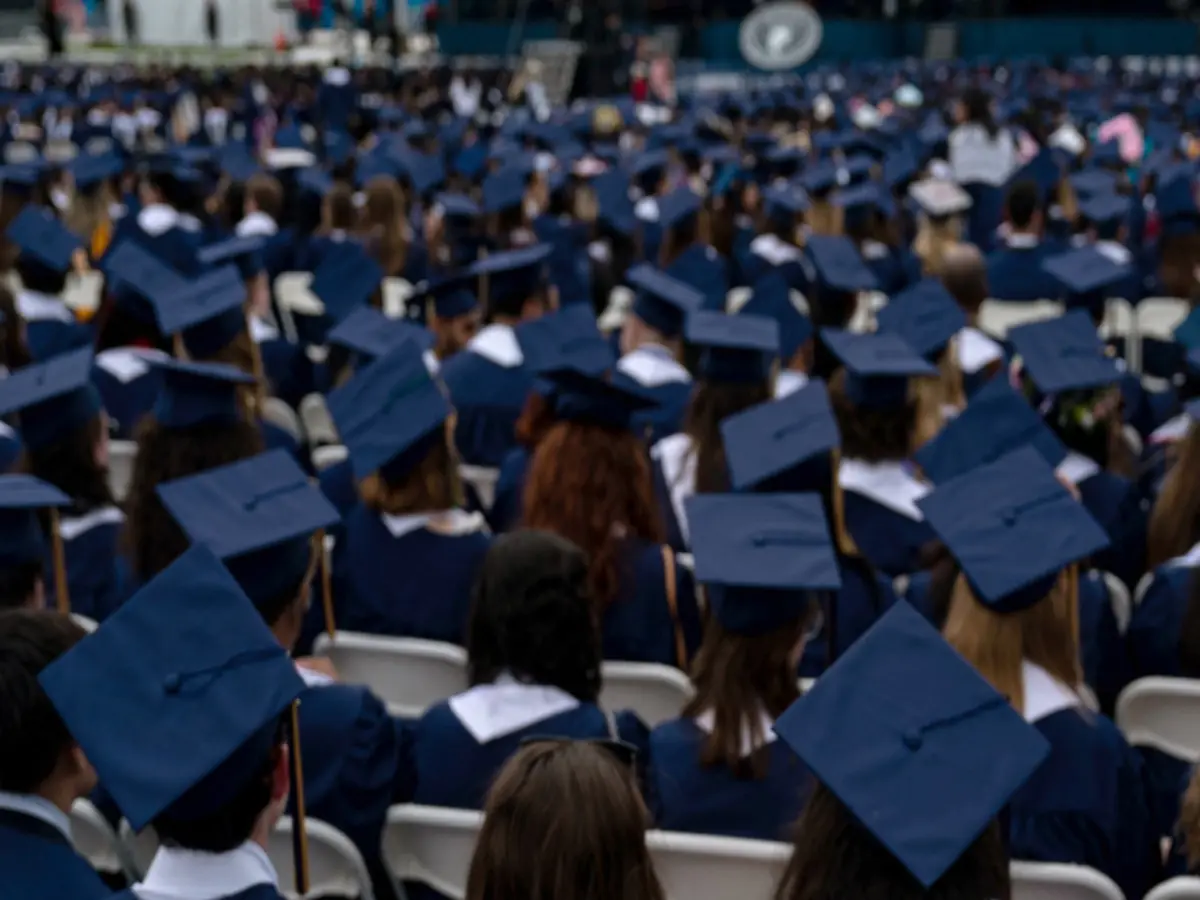
The U.S. government has proposed a large fee for a program that lets international students work in jobs related to their studies.
Under the proposal, schools would pay $70,000 for a student’s first application and $30,000 for a renewal.
Most students can work for up to a year after finishing school, and some STEM graduates can work for two more years.
The Department of Homeland Security says the fee would help stop fraud and abuse.
Education groups and other critics say it could make schools less likely to use the program and make the United States less attractive to international students.
They also say the program gives students work experience and helps employers hire skilled graduates.
People have 60 days to comment before the department can decide whether to finalize the proposal.
A separate rule limiting how long international students could stay without federal approval was blocked by a court.

The Department of Homeland Security proposed requiring schools to pay $70,000 for each international student’s initial Optional Practical Training application and $30,000 for each renewal.
OPT allows international students to work in jobs related to their studies; eligible graduates generally may work for one year, with certain STEM graduates eligible for two additional years.
DHS says the fee is intended to address fraud and abuse in the visa program and protect U.S. workers.
Education representatives and an immigration lawyer warned the fee could deter schools and students, harm enrollment, and affect employers that hire international graduates.
The proposal has a 60-day public comment period and could face legal challenges; a separate rule limiting student stays without federal approval was blocked by a court.
- Who
- The Department of Homeland Security proposed the fee; schools would pay it for international students participating in OPT.
- What
- A proposed $70,000 initial fee and $30,000 renewal fee for Optional Practical Training applications.
- When
- The proposal was announced on a Wednesday; the public has 60 days to comment. The articles do not give the announcement date.
- Where
- United States
- Why
- DHS cited fraud and abuse in the visa program and protection of U.S. workers; critics say OPT provides valuable work experience and supports employers and universities.
DHS’s stated rationale
Critics’ concerns
Purpose of the fee
DHS’s stated rationale
DHS says the fee would address fraud and abuse in the visa program and protect U.S. workers.
Critics’ concerns
NAFSA CEO Fanta Aw said international students’ talents and perspectives support innovation, economic growth, workforce development, and U.S. global leadership.
Effects on schools and employers
DHS’s stated rationale
DHS presents the proposal as a measure to address abuse of the visa program.
Critics’ concerns
Education representatives and an immigration lawyer warned the high fees could discourage schools from using OPT and harm international enrollment and employers that hire international graduates.
Legal outlook
DHS’s stated rationale
DHS has opened the proposal to public comment before deciding whether to finalize it.
Critics’ concerns
The articles say the proposal could face legal challenges; former U.S. Citizenship and Immigration Services adviser Doug Rand predicted it would be struck down.
- Initial application fee
- $70,000 per student, paid by the school under the proposal
- Renewal fee
- $30,000 per student renewal
- Program
- Optional Practical Training (OPT), for work related to a student’s field of study
- Typical post-graduation work period
- Up to one year
- STEM extension
- Eligible graduates may work for two additional years
- Public comment period
- 60 days
- International student arrivals
- New arrivals fell 17% last fall; some colleges reported declines of 30% to 40%
- Separate stay rule
- A rule limiting stays beyond four years without federal approval was blocked by a federal court