

Archive · 3 Oct 2025
Facial Recognition's Growing Concerns: Privacy and Security Risks
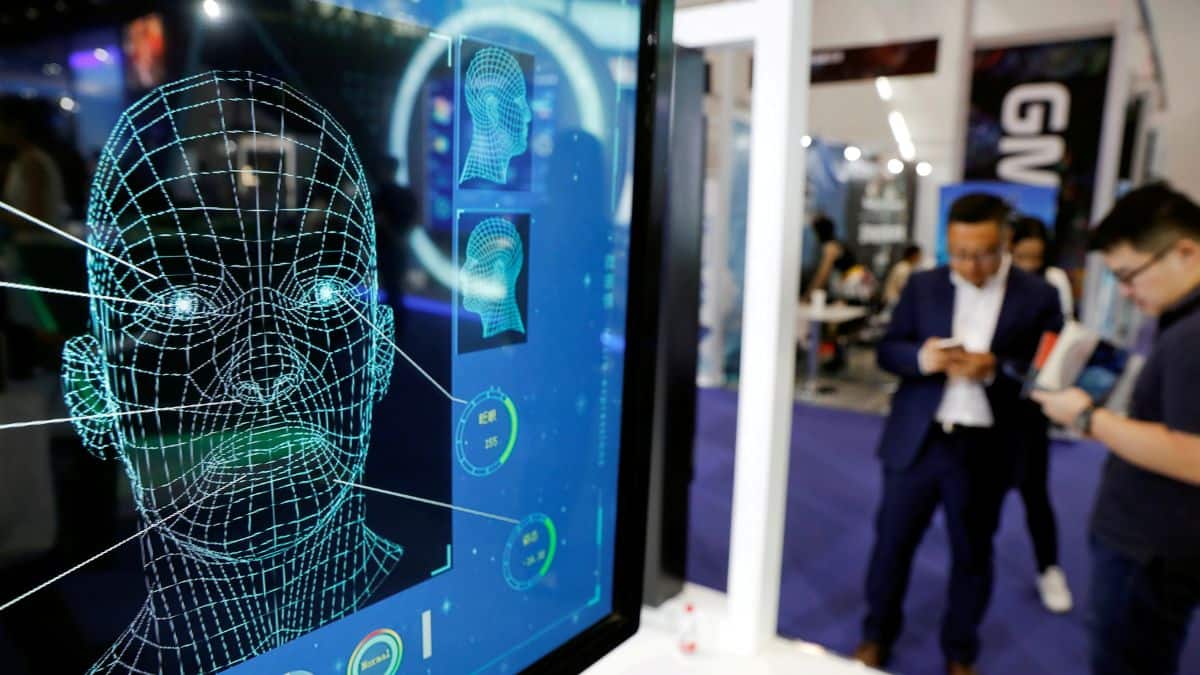
Facial recognition is like a digital fingerprint for your face.
It's used to identify people, from unlocking phones to entering buildings.
While it seems fast and easy, there are worries.
If someone scans your face, that data might stay stored forever.
This data could be stolen, misused, or used to wrongly identify you.
It's also not perfect; it can make mistakes.
For kids, these errors and privacy concerns can have long-lasting effects.
We need to decide how much we value security and ease compared to protecting personal information.

Facial recognition technology is becoming widespread in various settings.
It offers convenience but raises privacy violation concerns, especially for children.
Data storage and potential misuse are significant concerns if databases are hacked.
Misidentification and inaccurate age estimation are possible risks.
The permanence of facial data poses a lifetime risk compared to other forms of identification.
- Who
- Individuals, companies, and children
- What
- Facial recognition technology's use and associated risks
- When
- Currently, with implications for the future
- Where
- Shops, airports, social media platforms, and schools
- Why
- Concerns about privacy, security, and potential misuse of data.
Proponents of Facial Recognition
Critics of Facial Recognition
Convenience vs. Privacy
Proponents of Facial Recognition
Facial recognition offers quick and seamless access in many situations.
Critics of Facial Recognition
The convenience should not outweigh the risks to an individual's privacy and the potential for misuse.
Security vs. Data Breach
Proponents of Facial Recognition
Facial recognition enhances security by providing a way to identify people.
Critics of Facial Recognition
Permanent storage of biometric data is a target for hackers, potentially leading to identity theft.
Use for Children
Proponents of Facial Recognition
Facial recognition can keep children safe online.
Critics of Facial Recognition
The risk of data misuse is higher for children, and can have long-lasting effects.
- Technology
- Facial recognition
- Benefits
- Convenience and Security
- Drawbacks
- Privacy Violations, Data Misuse, Misidentification
- Concerns
- Data breaches, inaccurate age estimation
- Affected Parties
- Children and Adults