

Archive · 16 Jun 2025
China Develops Heat-Resistant Ceramic, Surpassing Aerospace Materials
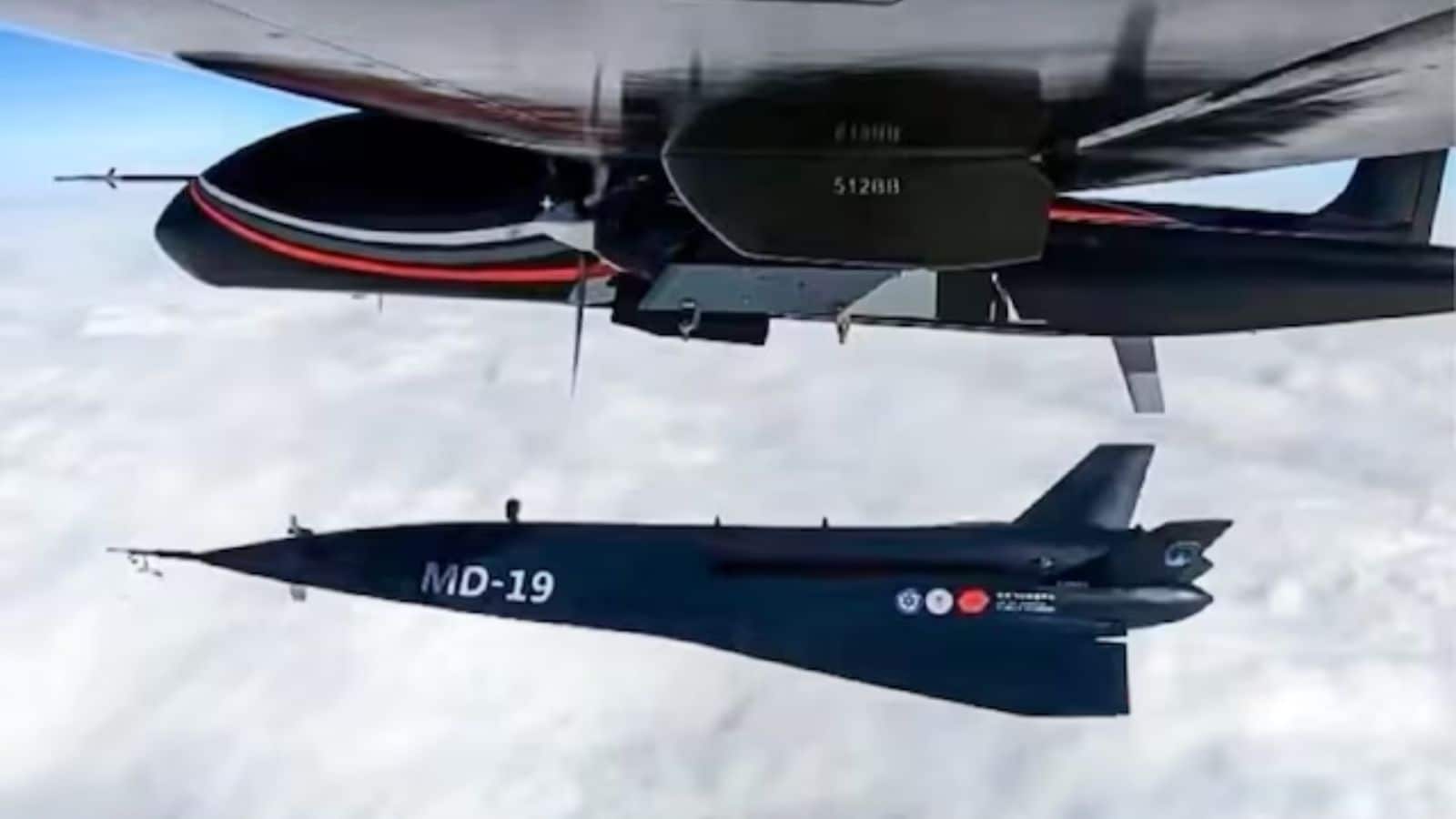
Chinese scientists have created a super-strong ceramic material that can handle extremely high temperatures, up to 3600 degrees Celsius.
This is much hotter than what existing materials can withstand, like those used in the Rafale or F-35 jets.
This new ceramic is made from a mix of special metals, and can survive intense heat, like the heat from the sun.
Scientists used a new testing method with lasers, making it easier to study the material.
This could change how airplanes and spacecraft are built, making them faster, tougher, and able to survive where they couldn't before.
This also means that China might have a big advantage in aerospace technology.

Chinese scientists developed a new ceramic material that can withstand 3600 degrees Celsius.
The ceramic was developed by a team led by Professor Chu Yanhui at the South China University of Technology.
The ceramic is composed of hafnium, tantalum, zirconium, and tungsten, which are highly heat-resistant.
The new material's potential applications include advanced fighter jets, spacecraft, and hypersonic missiles.
The testing method used a laser-powered system, allowing for precise and repeatable testing.
- Who
- Scientists led by Professor Chu Yanhui at the South China University of Technology
- What
- Chinese scientists developed a new ultra-high temperature ceramic.
- When
- June 16, 2025
- Where
- China
- Why
- To create a material that can withstand extreme temperatures for use in advanced aerospace applications.
China's Technological Advancement
Western Aerospace Competitors
Technological Leadership
China's Technological Advancement
China's research and development of advanced materials highlights its growing scientific and technological capabilities.
Western Aerospace Competitors
The West has historically led in aerospace engineering, with this development potentially shifting that balance.
- Material
- Ultra-high temperature ceramic
- Temperature Resistance
- 3600 degrees Celsius
- Key Components
- Hafnium, tantalum, zirconium, and tungsten
- Lead Scientist
- Professor Chu Yanhui
- Testing Method
- Laser-powered high-throughput testing system
- Potential Applications
- Fighter jets, spacecraft, hypersonic missiles, semiconductor manufacturing