Archive · 8 Oct 2026
GST Council Reforms Promise Faster Refunds and Lower Compliance
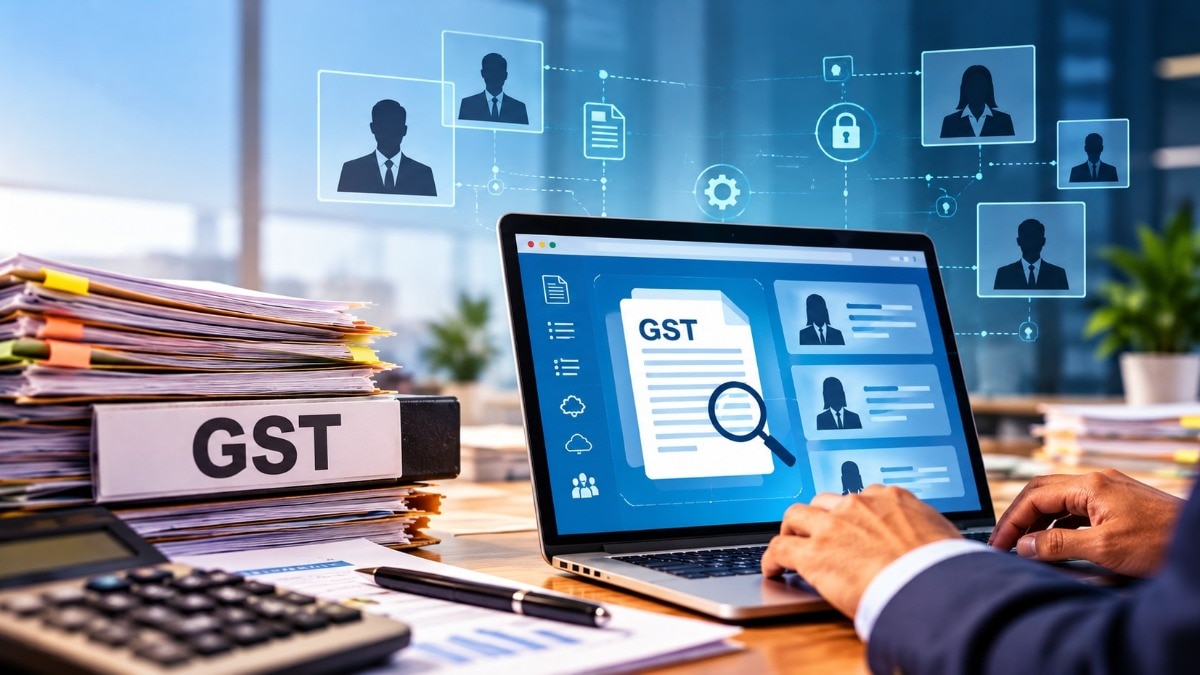
India’s GST Council agreed on changes intended to make tax paperwork easier and faster.
It did not change GST rates at this meeting.
Prime Minister Narendra Modi welcomed the changes, saying they aim for faster decisions and lower compliance costs.
The Council recommended taking away tax officers’ power to arrest people under GST and raising the amount involved before prosecution can begin.
It also wants refunds and some registration applications to be processed faster.
Most tax returns are expected to be cleared within 13 days.
Some small businesses may be able to file returns once a year and pay tax every three months, if they choose the proposed scheme.
Officials will study two disputed tax-credit proposals before the Council considers them again.
The Council expects the reforms to simplify tax administration, while some states raised concerns about possible misuse of tax credits.

At its 57th meeting in New Delhi on October 8, 2026, the GST Council approved compliance reforms but made no rate changes.
The Council recommended removing GST officers’ arrest powers, raising the prosecution threshold from ₹1 crore to ₹5 crore, and giving courts discretion over punishments.
The Council targets acknowledgments of refund applications within 10 days and expects 90% of refunds to be sanctioned within three days after acknowledgment.
Low-risk GST registration applications are expected to receive automatic approval within three working days; 90% of returns are expected to be cleared within 13 days.
The Council approved in principle an optional annual-return, quarterly-payment scheme for qualifying small businesses and deferred two input tax credit proposals for review.
- Who
- The GST Council, chaired by Finance Minister Nirmala Sitharaman; Prime Minister Narendra Modi welcomed the reforms.
- What
- The Council recommended GST compliance and enforcement reforms, without changing tax rates.
- When
- The Council met on October 8, 2026; a proposed input tax credit measure for inverted duty structure cases is scheduled to begin November 1, 2026.
- Where
- New Delhi, India.
- Why
- The reforms aim to simplify GST procedures, speed up refunds and reduce compliance and litigation burdens.
Support for changes
Concerns requiring review
Input tax credit when a supplier does not pay tax
Support for changes
Finance Minister Nirmala Sitharaman said honest taxpayers can lose access to credit because another party in their supply chain has not paid tax; the proposal would limit the restriction to the next person in the chain.
Concerns requiring review
Some states raised concerns about fake invoicing and wrongful claims, so the Council deferred the proposal for review by an officers’ committee.
Business impact of the reforms
Support for changes
Industry representatives welcomed the measures, saying faster refunds and more predictable enforcement could help working capital and ease doing business.
Concerns requiring review
The articles report state concerns about specific deferred proposals, but do not describe significant opposition to the approved compliance reforms overall.
- Council meeting
- The 57th GST Council meeting was held in New Delhi on October 8, 2026.
- GST rates
- No rate-related decisions were taken.
- Return processing target
- About 90% of returns are expected to be cleared within 13 days of filing.
- Refund targets
- Acknowledgment is targeted within 10 days; 90% of refunds are expected to be sanctioned within three days after acknowledgment.
- Prosecution threshold
- The Council recommended raising the threshold from ₹1 crore to ₹5 crore and removing GST officers’ arrest powers.
- General penalty
- The recommended maximum general penalty under Section 125 of the CGST Act falls from ₹25,000 to ₹10,000.
- Proposed small-business scheme
- An optional annual-return, quarterly-payment scheme was approved in principle for qualifying taxpayers with turnover up to ₹5 crore who supply exclusively to unregistered persons.
- Deferred proposals
- An officers’ committee will review proposals on input tax credit for vehicles seating 13 or more and on credit claims affected when a supplier has not paid tax.