

Archive · 15 Jun 2025
Study Links Oral Bacteria Diversity to Depression Symptoms
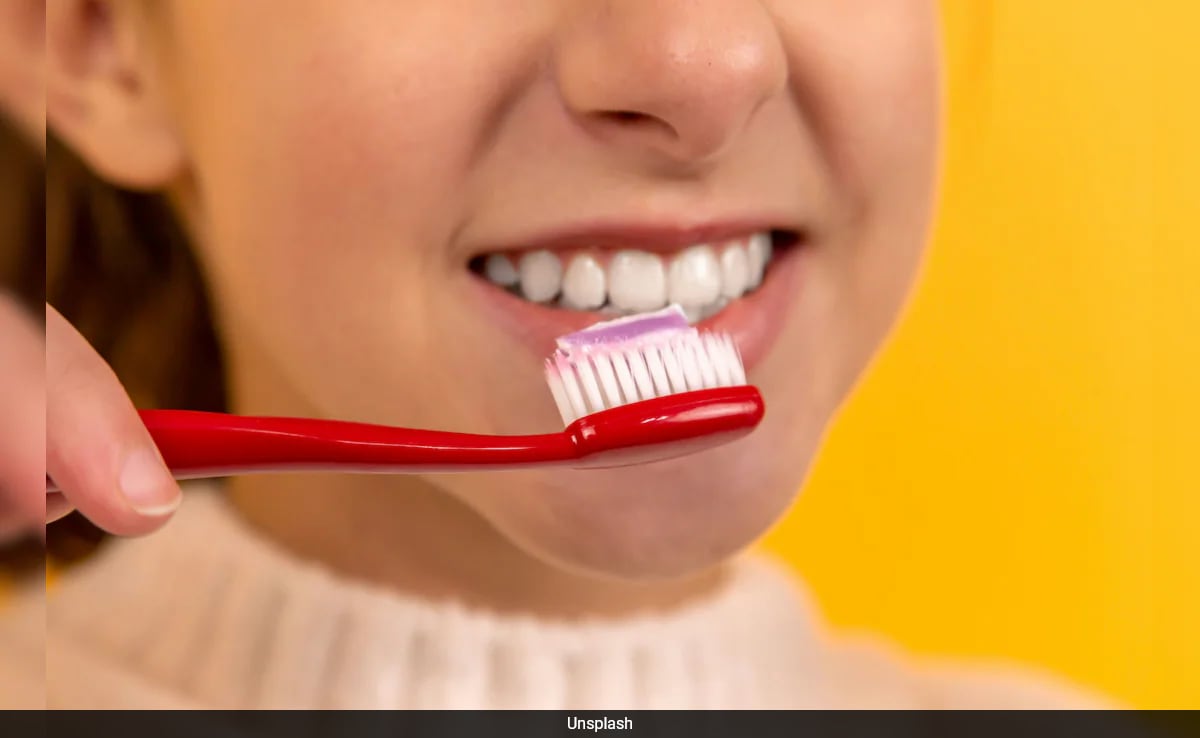
Imagine your mouth is like a garden with lots of different tiny plants (bacteria).
This study found that if this garden has fewer types of plants, it might be linked to feeling sad or hopeless (depression).
Scientists looked at information from a large group of adults and found a connection between the mix of bacteria in their mouths and how they felt.
They believe that changes in the mouth garden could affect how the body works, or the other way around.
They're still learning exactly how this works.
Things like smoking, drinking alcohol, and dental care can also change the plants in your mouth.

Study links reduced oral bacteria diversity to increased depression symptoms.
Researchers from NYU conducted the study, published in BMC Oral Health.
Data analyzed from over 15,000 US adults using NHANES survey and saliva samples.
People with less diverse oral microbiomes were more likely to have depression symptoms.
Smoking, alcohol, and dental care may affect the bacteria composition in the mouth.
- Who
- Researchers from NYU conducted the study.
- What
- Study links the diversity of bacteria in the mouth to depression symptoms.
- When
- The study analyzed data from 2009 to 2012.
- Where
- The study used data from the US.
- Why
- To understand the relationship between oral microbiome and mental health.
Potential Impacts of the Study
Depression and Oral Health
Causation
Potential Impacts of the Study
The oral microbiome might affect depressive symptoms through inflammation or changes to the immune system.
Depression and Oral Health
Depression can lead to changes in diet, hygiene, and medication use which impacts the oral microbiome.
- Lead Institution
- NYU Rory Meyers College of Nursing
- Journal
- BMC Oral Health
- Study Participants
- Over 15,000 US adults
- Data Source
- NHANES survey and saliva samples
- Key Finding
- Lower oral bacteria diversity associated with depression symptoms