

1 week ago
Six Habits Corley Links to Faster Entrepreneurial Wealth

The articles describe research by Corley about how some people build wealth.
The study compared wealthy people with people living in poverty.
Entrepreneurs in the study reached multimillion-dollar wealth faster than people who mainly saved and invested money.
Corley connects this difference with habits such as setting goals and learning regularly.
He also recommends spending carefully and putting some profits back into a business.
Good mentors and professional relationships may help entrepreneurs make better decisions.
He says business owners should study risks and test ideas before investing heavily.
Exercise, gratitude, passion, and persistence may help people keep working through difficulties.
The articles also say these habits do not guarantee wealth because larger social and demographic factors can matter.

Corley’s five-year study compared 233 millionaires with 128 people in poverty and examined different wealth-building behaviors.
Entrepreneurs accumulated an average of $7.4 million in 12 years, compared with $3.3 million in 32 years for Saver-Investors.
The six recommended habits are setting goals, continuous learning, controlling expenses, building relationships, taking calculated risks, and protecting health and mindset.
Corley reported that 80% of self-made millionaires set long-term goals, 88% pursued daily self-education, and 76% exercised regularly.
Critics argue that systemic factors and demographic biases also influence wealth, while Corley’s research focuses on behaviors individuals can control.
- Who
- Corley, entrepreneurs, Saver-Investors, 233 millionaires, and 128 people living in poverty included in the study.
- What
- The articles explain six habits Corley associates with entrepreneurship and faster wealth accumulation.
- Where
- When
- Corley’s Rich Habits Study lasted five years; entrepreneurs took an average of 12 years to reach $7.4 million, while Saver-Investors took 32 years to reach $3.3 million.
- Why
- The habits are presented as behaviors that may help entrepreneurs grow businesses, manage money, handle risks, and sustain long-term wealth-building efforts.
Corley’s Behavioral View
Critics’ Broader View
Main drivers of wealth
Corley’s Behavioral View
Corley emphasizes controllable behaviors including goal-setting, learning, frugality, networking, calculated risk-taking, and maintaining health.
Critics’ Broader View
Critics say systemic factors and demographic biases can also influence how people accumulate wealth.
Entrepreneurship and speed
Corley’s Behavioral View
Corley argues that entrepreneurship can accelerate wealth creation by allowing businesses to scale, develop multiple income streams, and give owners greater control over financial outcomes.
Critics’ Broader View
The articles caution that entrepreneurship is not a guaranteed shortcut and that habits are only one part of financial outcomes.
Managing business risk
Corley’s Behavioral View
Corley recommends market research, mentorship, and small-scale pilots before committing substantial money or resources.
Critics’ Broader View
The finding that 27% of millionaires had failed at least once in business shows that setbacks remain part of the entrepreneurial path.
Key facts
- Study groups
- The study examined 233 millionaires and 128 people living in poverty.
- Study duration
- Corley’s Rich Habits Study lasted five years.
- Entrepreneur wealth
- Entrepreneurs accumulated an average of $7.4 million in 12 years.
- Saver-Investor wealth
- Saver-Investors accumulated an average of $3.3 million in 32 years.
- Goal-setting
- Corley found that 80% of self-made millionaires set specific, long-term goals.
- Self-education
- The study found that 88% of millionaires spent at least 30 minutes a day on self-education.
- Mentorship and exercise
- Corley reported that 93% of millionaires with mentors credited them almost entirely for their success, while 76% exercised regularly.
Sources

Related news

Seven Things Entrepreneurs Should Know Before Starting in 2026
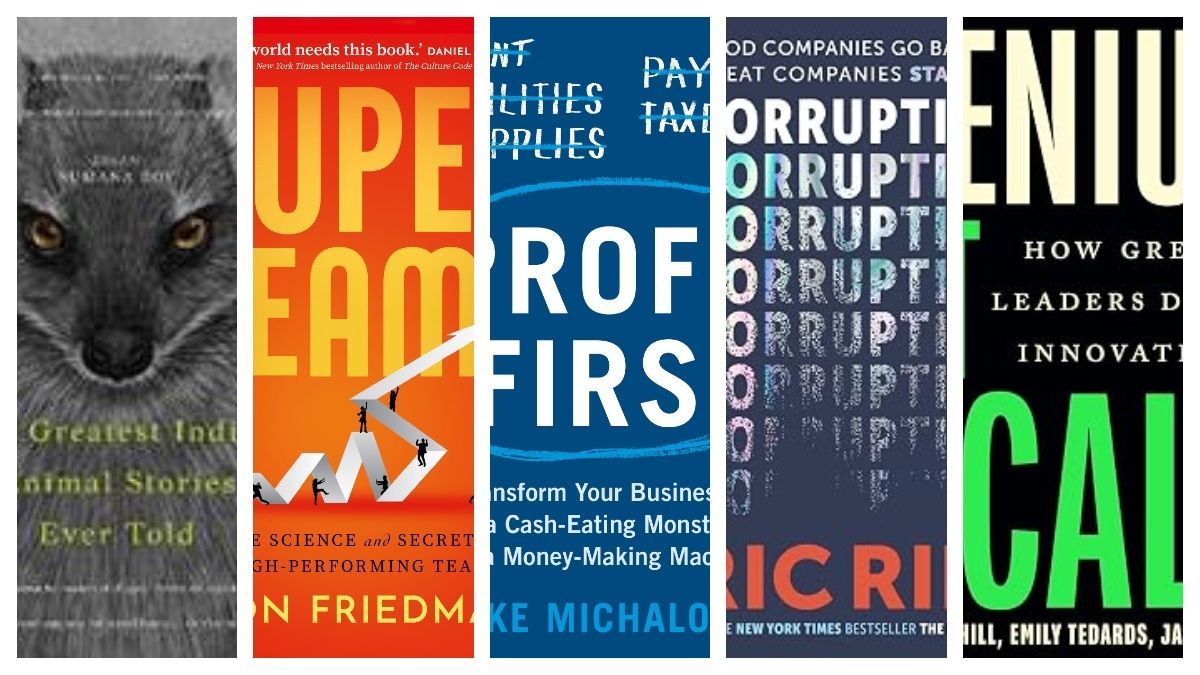
Weekly Book Roundup: Profit First, Incorruptible, Superteams and More

How Consistent Investing Could Take ₹25,000 to ₹1 Crore

Robert Kiyosaki Says $1.2 Billion Debt Supports Real-Estate Strategy

Meme-Page Entrepreneur Builds ₹1.6 Crore, Seeks Investment Advice
