

Archive · 19 Jan 2026
Hair Transplant: Myths and Facts Explained
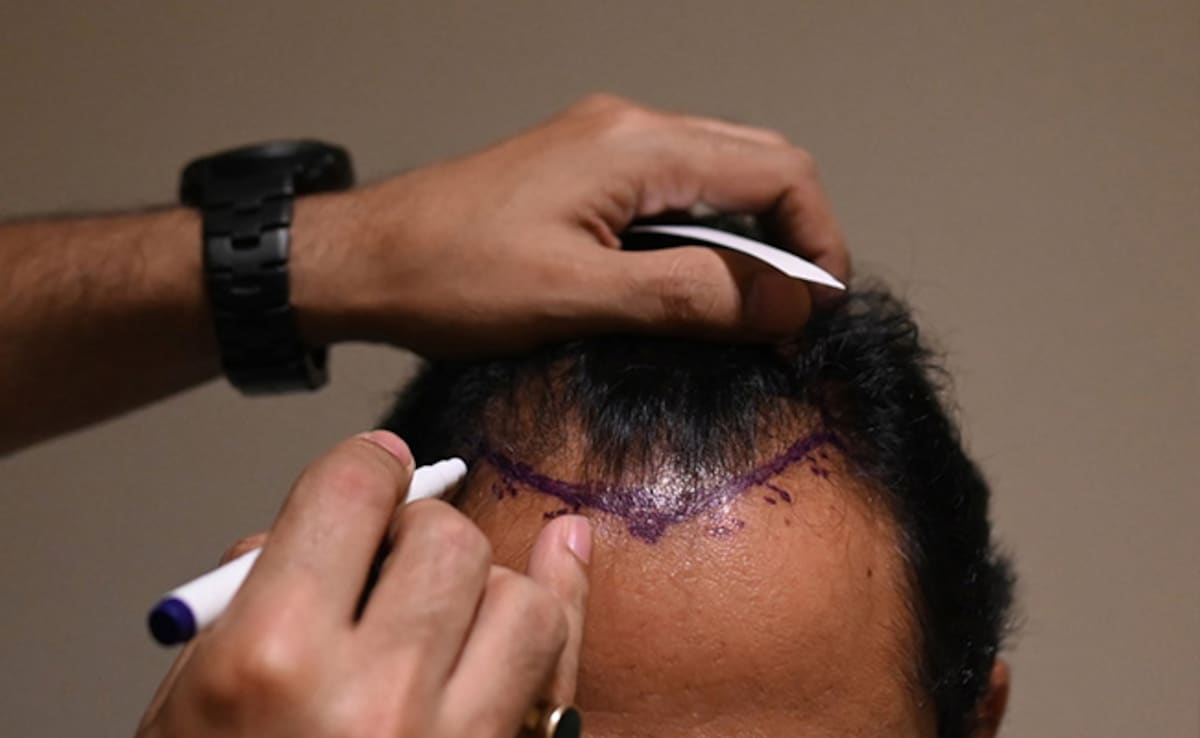
Hair transplants are a way to help people who are losing their hair.
It's a surgery where hair from one part of the head (or sometimes the body) is moved to areas where hair is thinning.
Many people think only men get hair transplants, but women can too.
It's not very painful because doctors use special medicine to numb the area.
After the surgery, people need to take care of their hair to keep the new hair healthy.
Age doesn't matter as much as how healthy your hair and scalp are.
Knowing the facts can help people make good choices about hair transplants.

Hair transplants are surgical procedures that restore hair in areas affected by thinning or baldness.
Both men and women can benefit from hair transplants, not just men.
Post-transplant care is necessary to maintain results and prevent further hair loss.
Scalp hair is preferred for transplants due to its finer texture, but body hair can be used if needed.
Age does not determine eligibility; donor hair quality and scalp condition are more important.
- Who
- Individuals experiencing hair thinning or baldness, both men and women
- What
- Hair transplant procedure to restore hair in affected areas
- When
- At any age, depending on medical fitness and hair quality
- Where
- Performed by experienced surgeons in medical facilities
- Why
- To restore hair density and improve self-confidence
- Procedure Type
- Surgical
- Common Techniques
- FUE (Follicular Unit Extraction), FUT (Follicular Unit Transplantation)
- Donor Area
- Back or sides of the scalp, sometimes body hair
- Anesthesia
- Local
- Post-Procedure Care
- Topical applications, oral medications, PRP therapy
- Eligibility
- Depends on donor hair quality, scalp condition, and overall medical fitness
- Pain Level
- Minimal discomfort, manageable