Archive · 18 Jan 2026
Experts Urge Cervical Cancer Screening

Experts and government officials recently met in New Delhi to discuss how to eliminate cervical cancer in India.
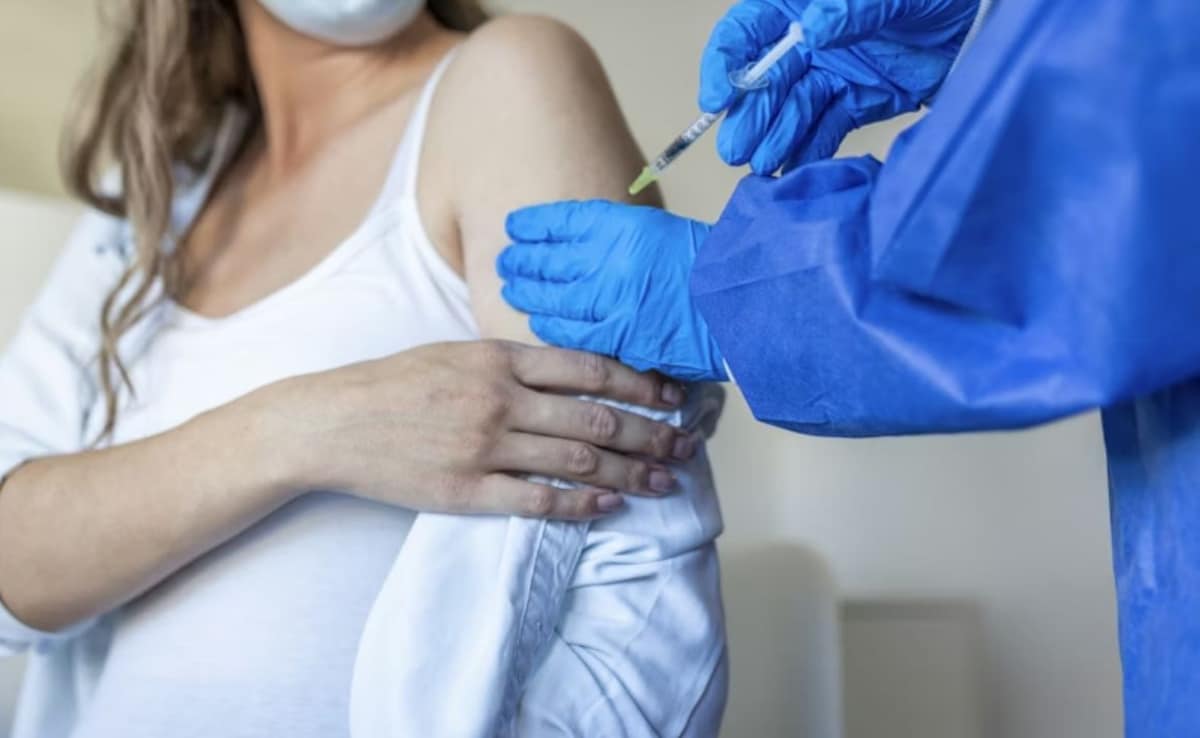
They talked about the importance of HPV vaccination and better screening methods, like self-sampling HPV DNA testing.
They also emphasized the need for uniform procedures and better treatment pathways.
The government is committed to making these changes to ensure all women have access to timely and accurate diagnosis and treatment.
Over 500 people, including representatives from various health organizations, attended the summit to support these efforts.
Medical experts highlighted that late diagnosis remains common despite the availability of effective screening tools and preventive measures.
They emphasized the importance of routine screening to detect cervical cancer early, as delayed or skipped screening can lead to late-stage diagnosis, significantly reducing survival rates and requiring more intensive treatment options.

Experts and government officials advocated for expanding HPV vaccination and improving screening coverage for cervical cancer.
The summit emphasized the need for self-sampling HPV DNA testing and uniform national standard operating procedures.
The government reaffirmed its commitment to eliminating cervical cancer through prevention, screening, and treatment.
Dr VK Paul highlighted the need for evidence-based models and pilot projects to implement HPV DNA-based screening on a large scale.
Over 500 participants, including representatives from AIIMS, state health departments, and international organizations, attended the summit.
- Who
- Government officials, cancer institutions, and healthcare experts
- What
- Advocacy for expanding HPV vaccination and improving screening coverage for cervical cancer
- When
- January 17
- Where
- AIIMS, New Delhi
- Why
- To eliminate cervical cancer in India through prevention, screening, and treatment
- Event
- First National Summit on Elimination of Cervical Cancer in India
- Organizers
- Departments of Radiation Oncology, Surgical Oncology, and Onco-Anaesthesia and Palliative Medicine, and DRBRAIRCH, AIIMS
- Key Speakers
- Aradhana Patnaik, Additional Secretary and Managing Director, National Health Mission (NHM), Union Health Ministry; Dr VK Paul, Member (Health), NITI Aayog; Dr Abhishek Shankar, Assistant Professor, Department of Radiation Oncology, DRBRAIRCH, AIIMS, Delhi
- Participants
- Over 500 participants, including representatives from AIIMS campuses, state health departments, cancer institutes, WHO, UNICEF, ICMR, civil society organisations, and industry partners
- Key Recommendations
- Expanding HPV vaccination, improving screening coverage through self-sampling HPV DNA testing, establishing uniform national standard operating procedures, and streamlining treatment and follow-up pathways
- Location
- AIIMS, New Delhi
- Date
- January 17
- Cervical Cancer Progression
- Cervical cancer starts in the cells of the cervix, which is located at the lower, narrow end of the uterus (womb), which connects the uterus to the vagina (birth canal). Cervical cancer typically progresses over time, and before cancer forms in the cervix, the cells of the cervix undergo changes called dysplasia, during which abnormal cells begin to develop in the tissue.
- Impact of Delayed Screening
- Delayed or skipped screening can lead to late-stage diagnosis, significantly reducing survival rates and requiring more intensive treatment options.
- Misconceptions Regarding Risk
- Many women believe they are not at risk due to factors such as age, monogamous relationships, or menopause, but HPV can remain dormant for many years, leaving women vulnerable to cervical cancer even without recent exposure.
- Importance of Routine Screening
- Routine screening is crucial for early detection and treatment of cervical cancer, which can significantly improve survival rates and reduce the need for intensive treatment.