Archive · 23 Sep 2026
J&K Books Scrutiny Withdraws Thousands From College Libraries

The Jammu and Kashmir government is checking books in college libraries.
It says about 2.18 million books and publications have been examined.
Different reports give different numbers for how many books were withdrawn: 4,249, 4,767 or 4,812.
The difference may be connected to whether already-banned books were counted separately.
Most of the withdrawals were reported in the Kashmir division.
The government also removed 518 copies of 19 formally banned titles.
More than 1,750 books were sent for another review.
Officials say the checking is meant to remove material they consider objectionable and to support constitutional values and responsible education.

The Jammu and Kashmir government says it screened 21,81,582 books and publications across colleges and libraries.
Reports cite different withdrawal totals: 4,249, 4,767 and 4,812, partly because formally banned books may be counted separately.
Under the 4,249 figure, 3,996 withdrawals were from Kashmir and 253 from Jammu; another account lists 4,474 and 293 respectively.
The government separately reported removing 518 copies of 19 formally banned titles, while more than 1,750 books were referred for further examination.
Officials say the ongoing review targets material that may violate laws, religious sentiments, national interests or stated educational and constitutional standards.
- Who
- The Jammu and Kashmir government, particularly its Higher Education Department, responding to questions in the Legislative Assembly.
- What
- Officials screened college-library publications and withdrew thousands of books, with reports differing over the total and the treatment of formally banned titles.
- When
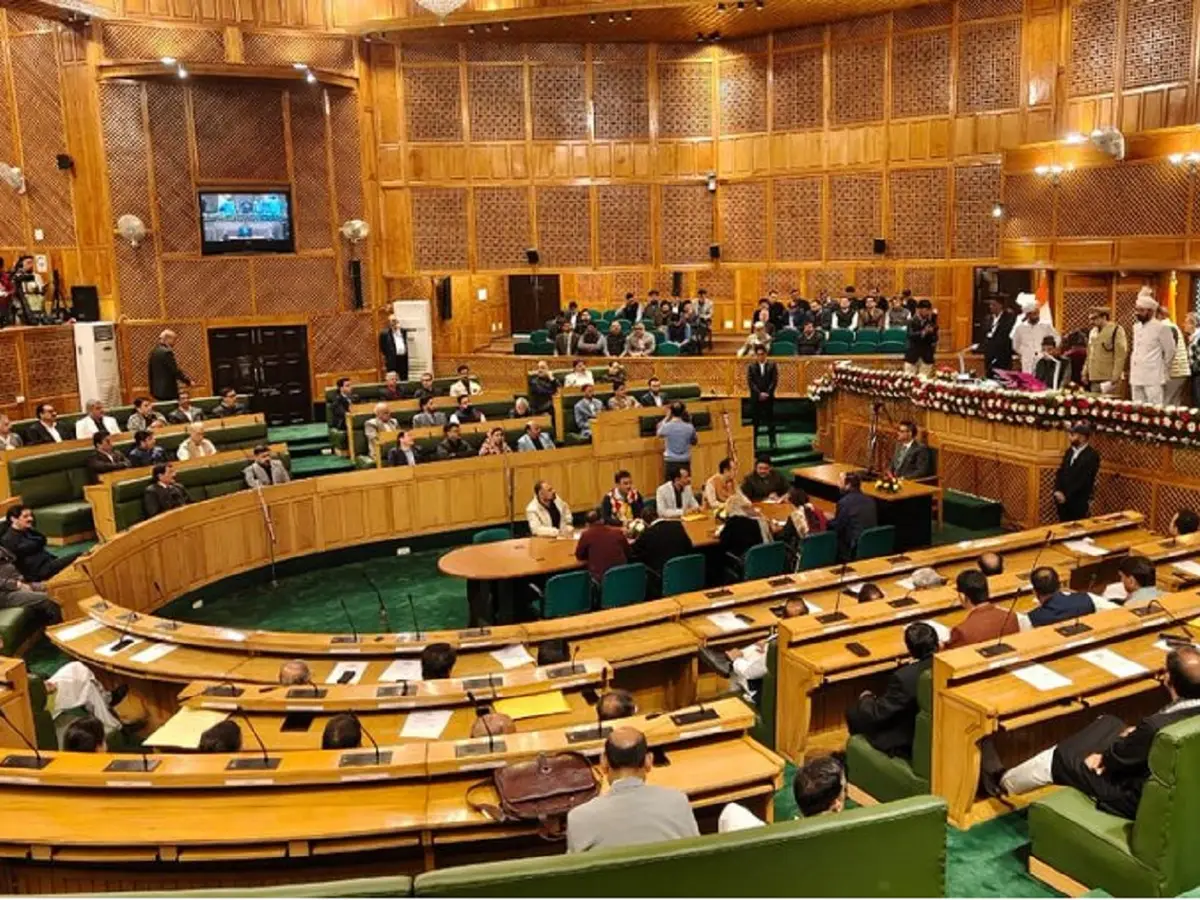
- The screening began after government and university orders issued in July and was still continuing when the figures were presented to the Assembly.
- Where
- Colleges and libraries across the Jammu and Kashmir Union Territory, including the Kashmir and Jammu divisions.
- Why
- The government says the review is intended to identify material that may violate laws, religious sentiments, national interests or educational and constitutional standards.
Government rationale
Opposition and critics’ concerns
Standards for removing books
Government rationale
The government says it uses clear and objective criteria and reviews material for academic relevance, factual accuracy, pedagogical suitability, legal compliance and conformity with constitutional values.
Opposition and critics’ concerns
An Opposition MLA questioned whether an objective criterion exists for identifying allegedly objectionable material in higher-education institutions.
Purpose of the scrutiny
Government rationale
Officials say colleges should promote academic freedom, critical thinking, scientific temper, responsible citizenship and respect for India’s sovereignty, unity and integrity.
Opposition and critics’ concerns
The exercise followed Bharatiya Janata Party protests accusing the Jammu and Kashmir National Conference government of promoting “academic jihad,” while reports also described concerns about alleged pro-separatist content.
Scope and process
Government rationale
The government describes the review as a transparent, accountable and three-tier mechanism involving college, directorate and administrative-level committees.
Opposition and critics’ concerns
The large-scale withdrawal and continuing scrutiny have raised questions about how objectionable content is defined and how decisions affecting academic material are made.
- Publications screened
- 21,81,582 across Jammu and Kashmir
- Kashmir screening
- 12,48,641 books and publications
- Jammu screening
- 9,32,941 books and publications
- Reported withdrawal totals
- 4,249, 4,767 and 4,812, depending on the account and treatment of banned titles
- Regional withdrawal figures
- One account lists 3,996 from Kashmir and 253 from Jammu; another lists 4,474 and 293
- Formally banned titles
- 518 copies of 19 titles were reported removed under S.O. 203 dated August 5, 2025
- Further examination
- More than 1,750 books were referred to the director of the colleges department