

2 hrs ago
Three-Day Bank Strike May Delay Some September Salaries
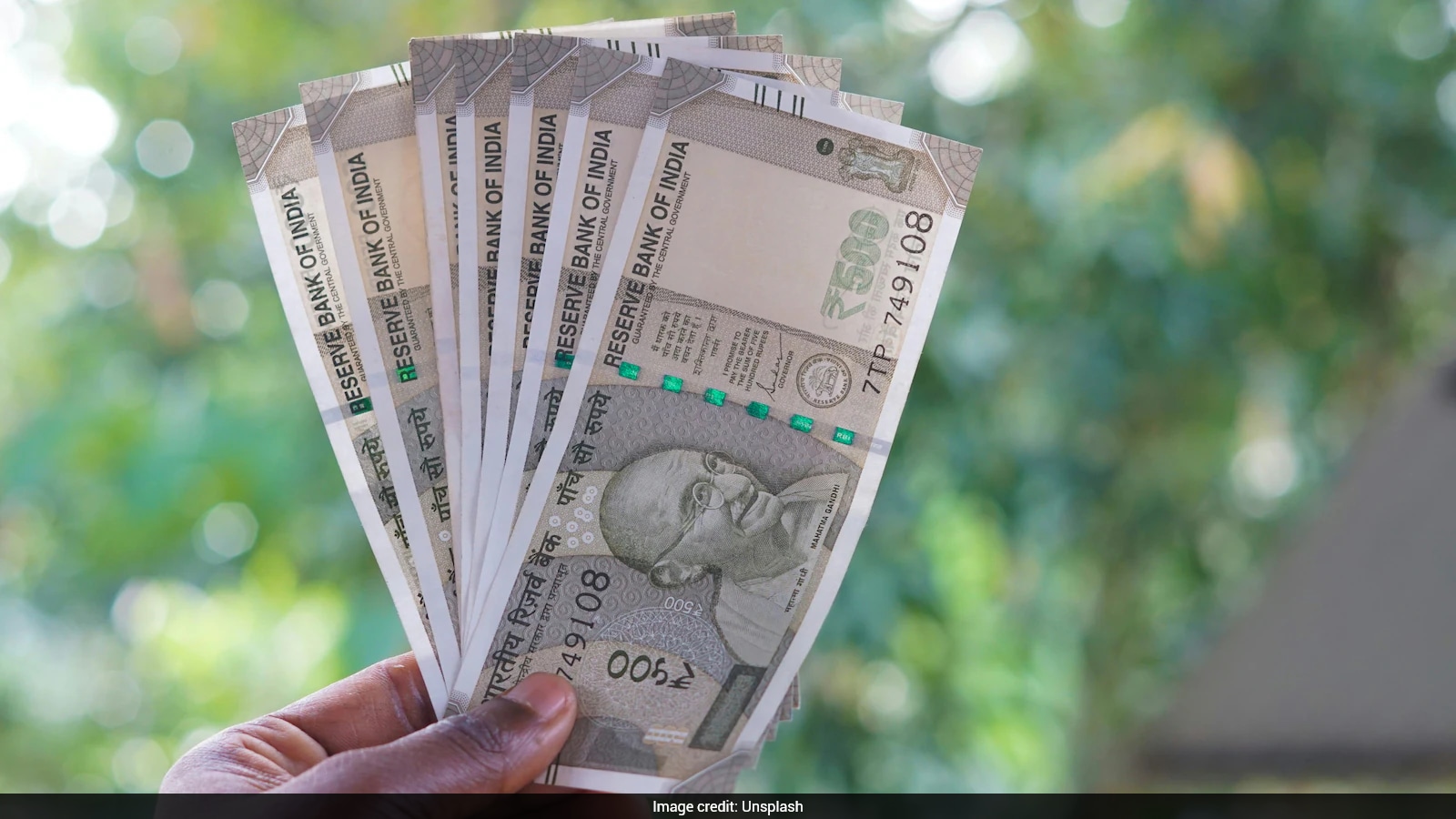
Bank workers plan to strike for three days, from September 28 to 30.
This may make some September salaries arrive late.
The effect depends on how an employer sends money and which bank is involved.
Digital payments may still happen on time if companies use automated banking systems.
Payments using cheques, bank branches or public-sector banks may face more delays.
UPI, mobile banking, internet banking and ATMs are expected to keep working.
Branches may have trouble with cash, cheque clearing, loans and deposits.
Central government workers and some other government-linked employees were paid early on September 25.
The unions want a five-day banking week, better pension benefits and other service-related changes.

The United Forum of Bank Unions has called a nationwide strike from September 28 to 30.
Salary payments may be delayed if employers rely on public-sector banks, cheques, branches or clearing houses.
Digital salary processing may continue, although heavy transaction volumes could cause minor slowdowns.
UPI, mobile banking, internet banking and ATMs are expected to remain available, while branch cash services, cheque clearing, loans and deposits may be disrupted.
Central government employees, pensioners, railway staff and some industrial workers received September payments early on September 25.
- Who
- The United Forum of Bank Unions, banks, employers, customers and salary recipients are involved; central government employees and some other government-linked workers received early payments.
- What
- A three-day bank strike may disrupt branch services and delay some September salary payments.
- Where
- The disruption concerns banking operations across India, especially public-sector banks and regional rural banks.
- When
- The strike is planned for September 28-30; early government payments were authorised for September 25.
- Why
- Bank unions are seeking a five-day banking week, improved pension benefits, changes to performance-linked incentives and other service-related changes.
Bank unions
Employers and customers
Reason for the strike
Bank unions
The unions are demanding a five-day banking week, improved pension benefits, changes to performance-linked incentives and other service-related changes.
Employers and customers
Employers and customers may face delays or disruption involving salary payments, cash transactions, cheque clearing, loans and deposits.
Salary arrangements
Bank unions
The strike is expected to affect banking operations, with the impact varying according to payment methods and the banks involved.
Employers and customers
Employers using digital banking may pay on time, while those relying on cheques, branches or public-sector banks face a greater risk of delays. Private employees should not assume they qualify for the early-payment arrangement given to central government employees.
Key facts
- Strike dates
- September 28-30
- Salary impact
- Delays depend on employers’ payment methods and the banks handling transactions.
- Likely available services
- UPI, mobile banking, internet banking and ATMs are expected to remain operational.
- Likely disruptions
- Branch cash transactions, cheque clearing, loan applications and deposit applications may be affected.
- Banks likely to face disruption
- Most public-sector banks, including State Bank of India, and regional rural banks are expected to be affected.
- Private-bank impact
- HDFC Bank, ICICI Bank, Axis Bank and Kotak Mahindra Bank are expected to remain functional, while some older private banks may see partial disruption.
- Early payments
- Central government salaries, wages and pensions were authorised on September 25 as advances against September amounts.
- Additional pressure
- The strike coincides with banks’ half-yearly closing on September 30.
Sources

Related news

Centre Advances September Payments Ahead of Proposed Bank Strike
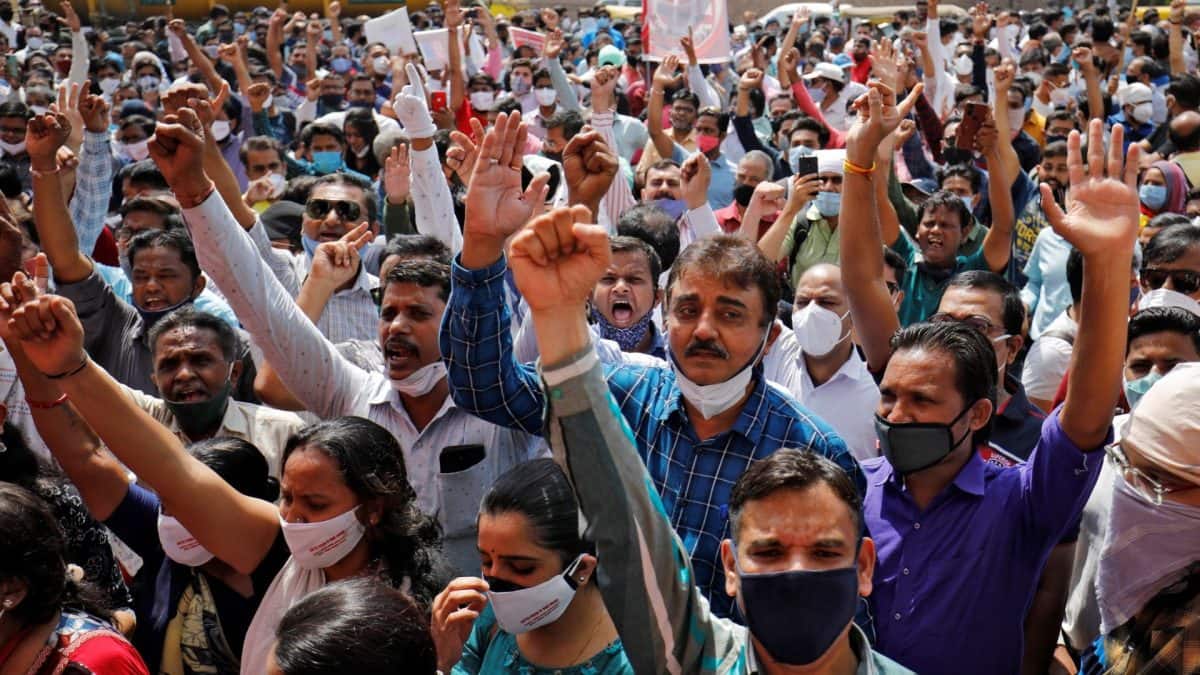
Government Prepares For Three-Day Bank Strike

Bank Strike May Disrupt Branch Services Across India
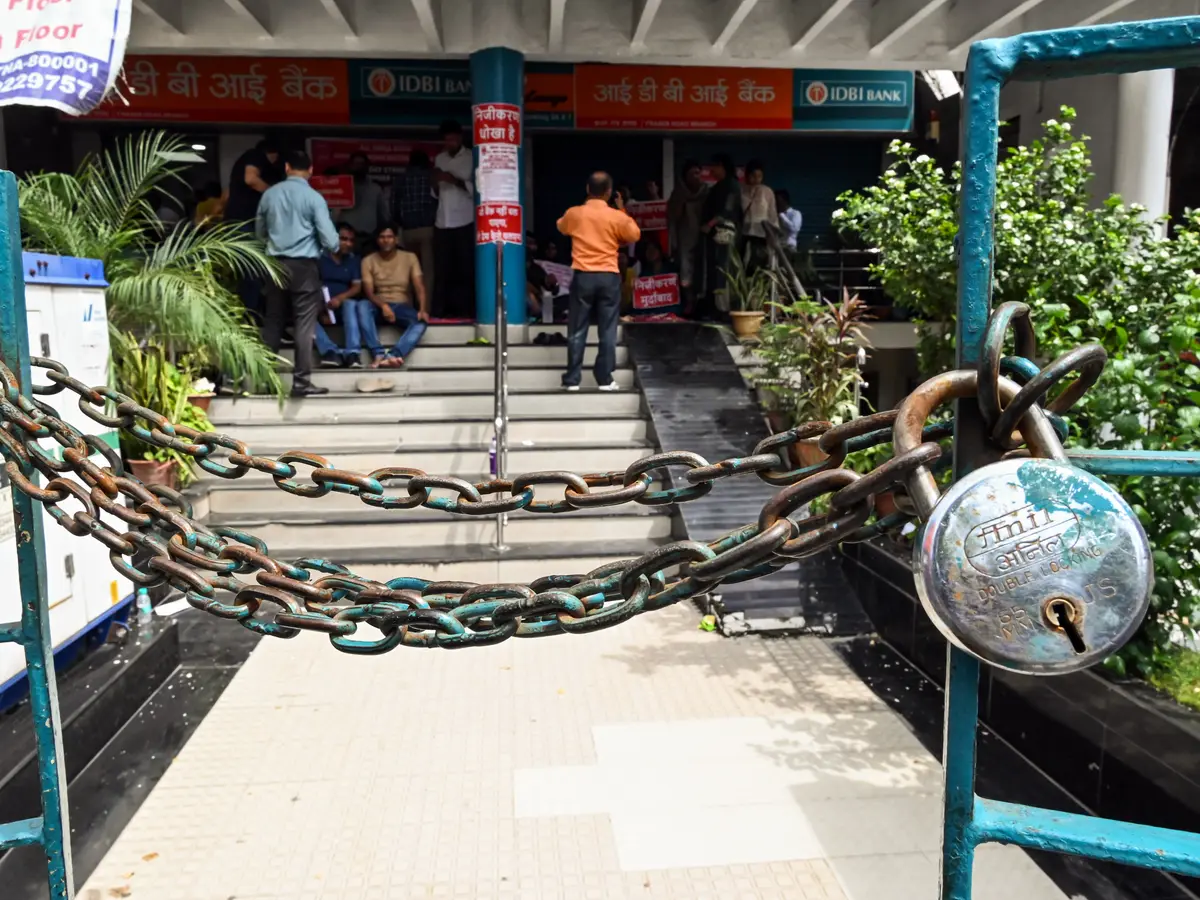
India Banks Prepare for Three-Day Strike and Disruptions
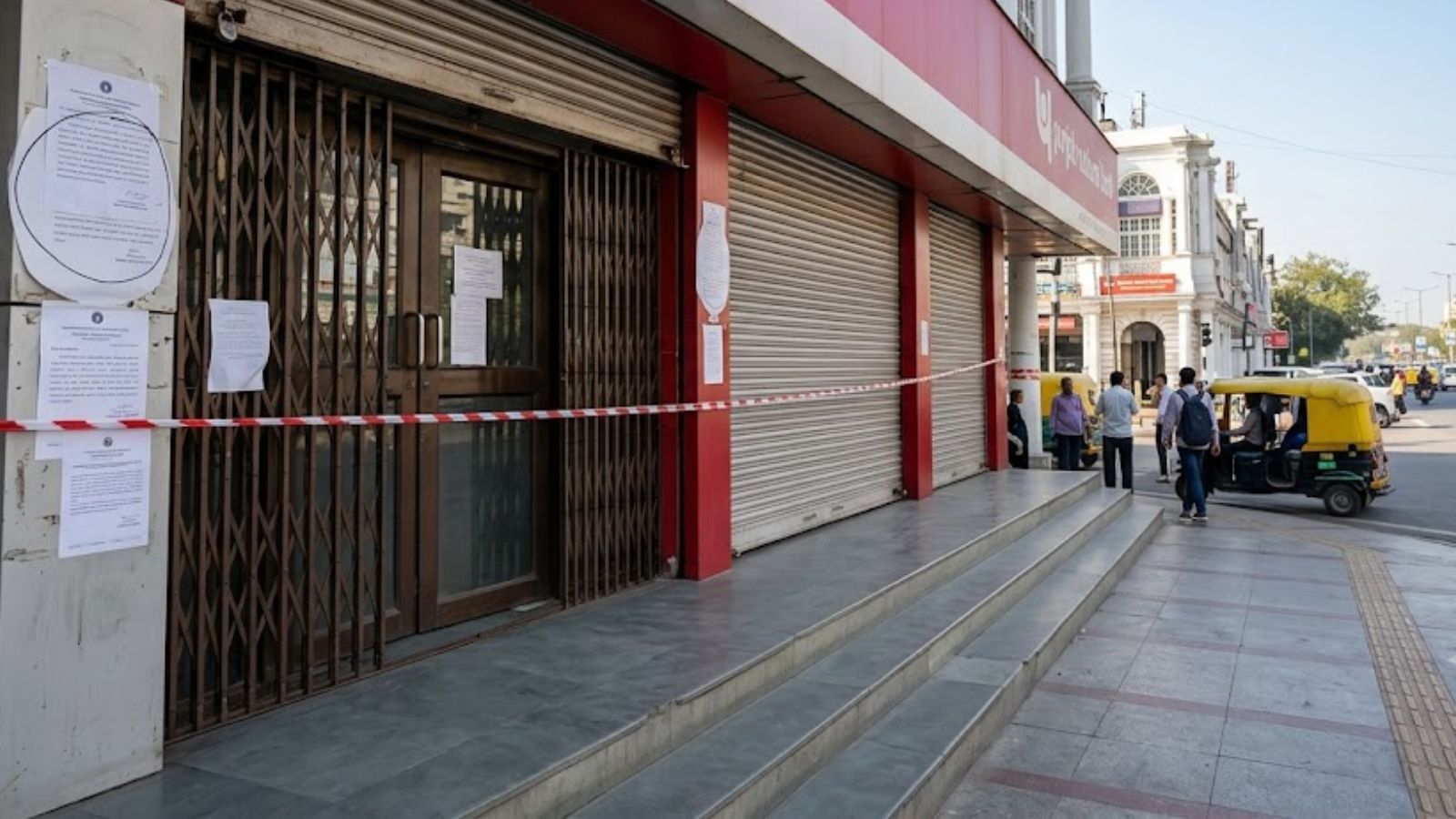
Bank Strike September 28-30 May Disrupt Services Nationwide

Bank Unions Plan Three-Day Strike Over Five-Day Week

Three-Day Bank Strike May Disrupt Branch Services Nationwide

Nifty Outlook: 23,000 Support Tested as Truncated Week Begins
Nationwide Bank Strike Begins Monday Over Five-Day Week Demand

Readers Debate Defection, Elections, Tourism and Corporate Governance
