Archive · 21 Sep 2026
Congress Challenges Delhi SIR Over VIP Notices and Deletions
India’s Election Commission is checking voter lists through a process called SIR.
In Delhi, some people received notices because their records did not match older voter records or contained possible mistakes.
Officials said receiving a notice does not automatically remove someone from the voter list.
Congress leaders criticized the process and said it could make it harder for ordinary people to vote.
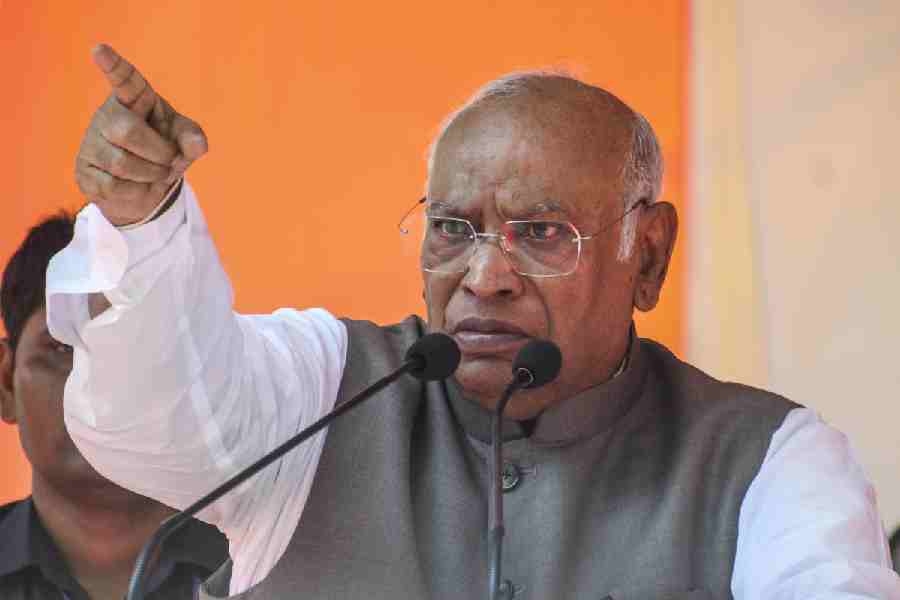
Mallikarjun Kharge questioned why the Election Commission used the term “VIP/marked electors.”
He asked whether important people were being treated differently from other voters.
Congress also pointed to Bengal, where many successful appeals led to voters being put back on the list.
The Election Commission says the review is intended to remove ineligible or duplicate entries and add people who legally qualify to vote.

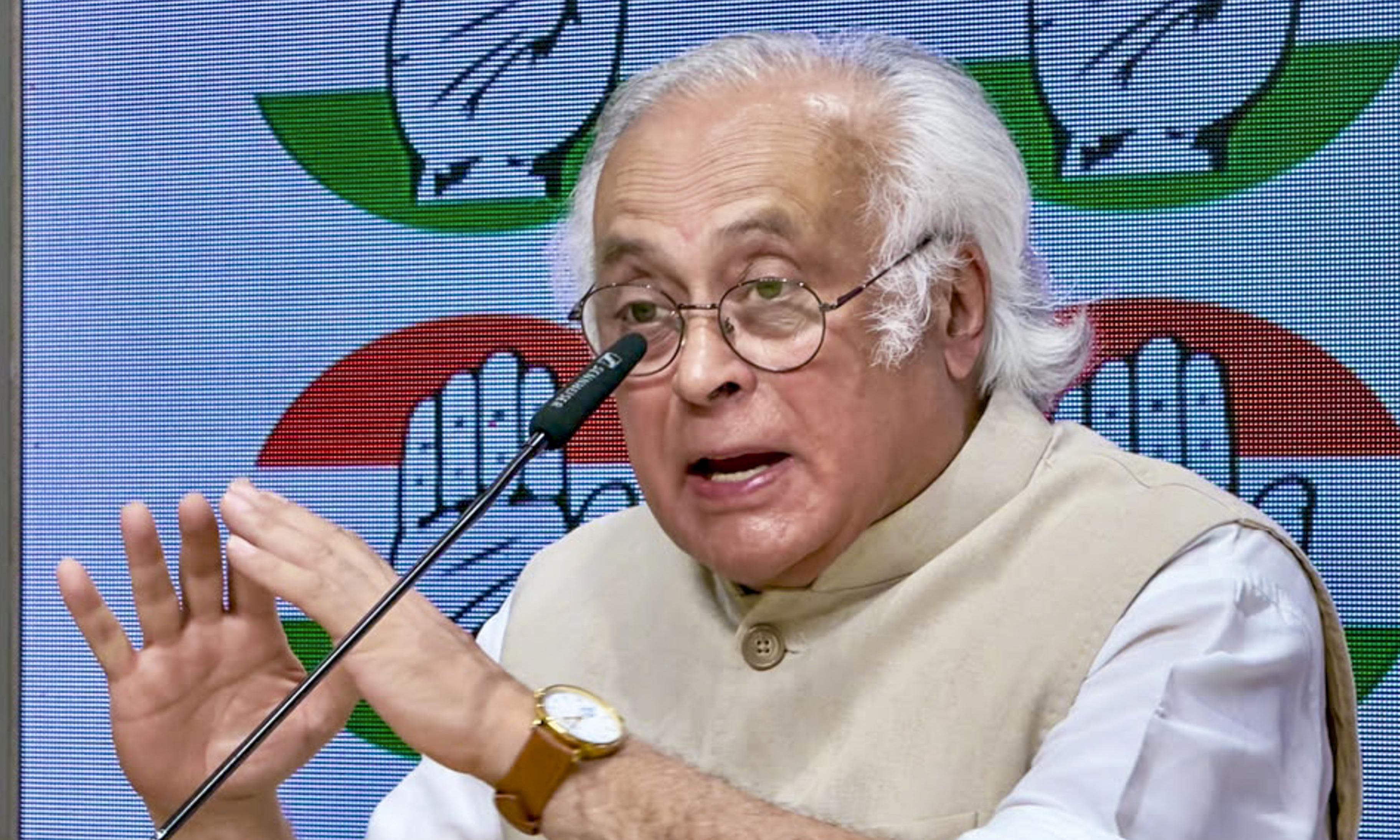
Congress leaders Mallikarjun Kharge and Jairam Ramesh called the Election Commission’s SIR process flawed and potentially disenfranchising.
The Delhi CEO said 33.13 lakh voters were identified for notices because of unlinked records or logical discrepancies, with over 31.63 lakh notices served.
The Delhi draft roll contains about 97 lakh voters, including prominent figures such as L.K. Advani, S. Jaishankar and Manish Sisodia.
Kharge questioned whether the phrase “VIP/marked electors” creates unequal treatment, while officials said a notice does not automatically delete a voter’s name.
Kharge cited Bengal data showing 93% of decided deletion appeals succeeded, resulting in 1,13,943 people being reinstated.
- Who
- Congress president Mallikarjun Kharge and Congress leader Jairam Ramesh criticized the Election Commission; the Delhi Chief Electoral Officer explained the notices.
- What
- The dispute concerns Delhi’s Special Intensive Revision of electoral rolls, notices issued over discrepancies, and the phrase “VIP/marked electors.”
- When
- The statements were made on Monday, following a Delhi Chief Electoral Officer press release on Sunday; the broader SIR process began in Bihar in June 2025, according to Congress.
- Where
- Delhi, with related deletion-appeal figures from Bengal and wider SIR phases across Indian states and union territories.
- Why
- Congress says the process may burden citizens and disenfranchise eligible voters, while the Election Commission says it is reviewing unlinked, duplicate, ineligible or inconsistent records.
Congress criticism
Election Commission position
Purpose of SIR
Congress criticism
Congress leaders described SIR as a flawed process, a method of disenfranchisement and an excessive burden on citizens that could remove eligible voters.
Election Commission position
The Election Commission says the revision is intended to cleanse voter lists of ineligible people and duplicate entries while adding those eligible under the law.
VIP or marked electors
Congress criticism
Kharge questioned whether the phrase “VIP/marked electors” creates a special category of voters and conflicts with the principle of one person, one vote, one value.
Election Commission position
The Delhi CEO used the term for electors whose records required scrutiny and said receiving such a notice does not mean the elector’s name will automatically be deleted.
Deletion safeguards and accuracy
Congress criticism
Congress cited Bengal’s 93% success rate in decided deletion appeals as evidence that voters may have been wrongly removed and alleged that disadvantaged groups are disproportionately affected.
Election Commission position
The Delhi CEO said no deletion can occur without an opportunity to be heard and a proper appealable order; the Election Commission and Supreme Court position cited in the articles is that deletion does not determine citizenship.
- Process
- Special Intensive Revision (SIR) of electoral rolls
- Delhi draft roll
- About 97 lakh voters
- Delhi notices
- 33.13 lakh voters identified for notices; more than 31.63 lakh notices served
- Reason for notices
- Records could not be linked to the last intensive revision or showed logical discrepancies
- Safeguard
- The Delhi CEO said voters must receive an opportunity to be heard before a proper speaking and appealable order
- Bengal appeals
- 93% of decided deletion appeals succeeded, with 1,13,943 people due to be reinstated
- Congress deletion estimates
- Jairam Ramesh cited 7.8 crore deletions in SIR Phases 1 and 2 and 6.18 crore in the reported Phase 3 data; Kharge separately cited 13.8 crore across the first three phases
- Election Commission position
- The revision is intended to remove ineligible or duplicate entries and include eligible voters; it says SIR deletion does not determine citizenship