

Archive · 20 Jul 2026
Protest Rights and Restrictions in India
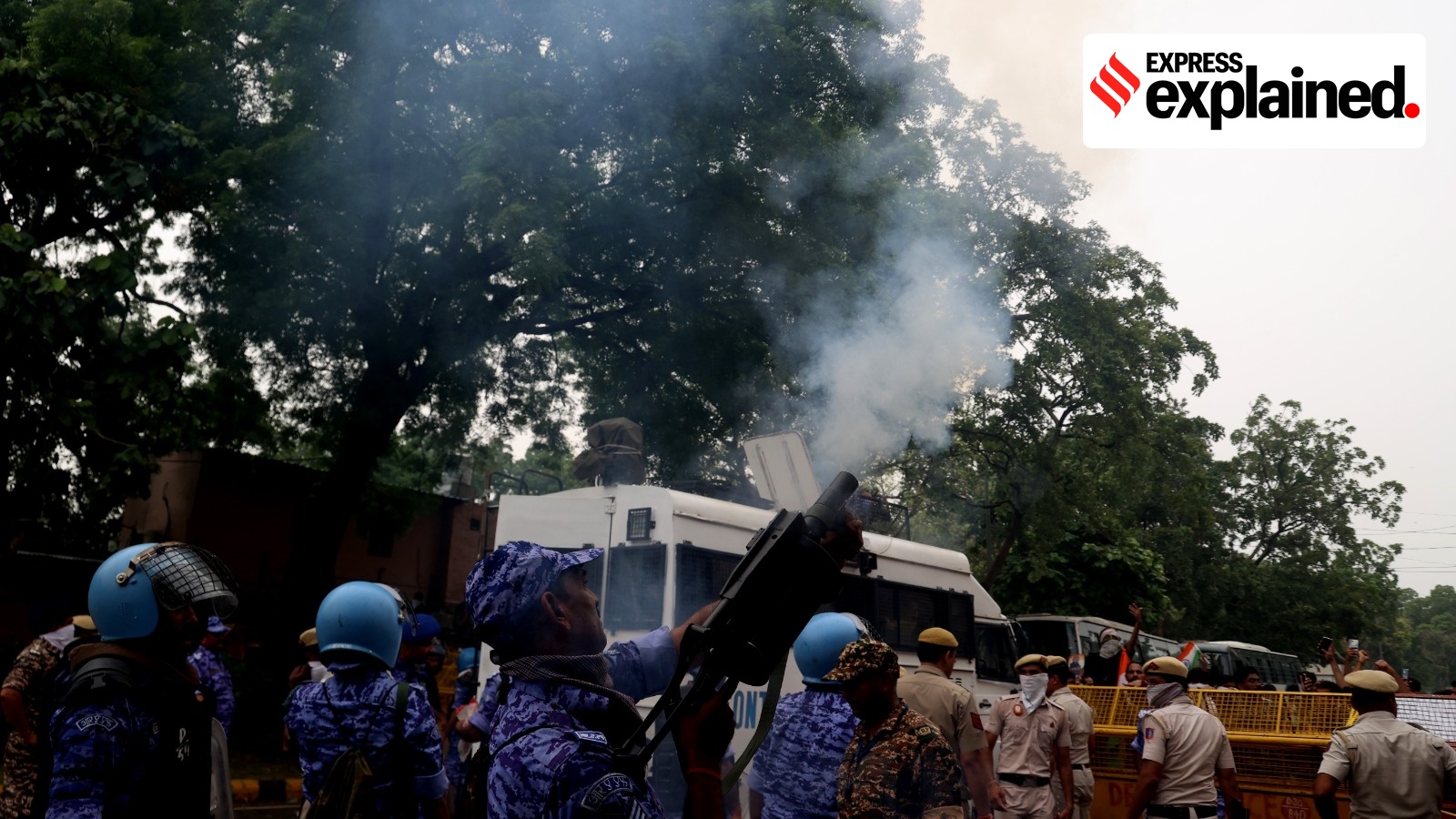
In India, the right to protest is protected under the Constitution, allowing citizens to assemble peacefully.
However, the government can impose reasonable restrictions to maintain public order and security.
Protests must be held in designated areas like Jantar Mantar in Delhi, and protesters need police permission.
The Supreme Court has ruled that protests cannot block public roads or cause inconvenience to others.
The government and courts balance the right to protest with the need to prevent disruption and ensure public safety.

The right to protest is protected under Article 19(1)(a) and (b) of the Indian Constitution.
Protests must be peaceful and without arms.
Reasonable restrictions can be imposed for public order, security, and sovereignty.
Designated areas like Jantar Mantar in Delhi are established for protests.
Protesters need police permission and cannot block public roads.
- Who
- Citizens of India and the Government of India
- What
- The right to protest and the restrictions imposed on it
- When
- Ongoing, with specific incidents such as the CJP protest on Monday
- Where
- India, particularly in New Delhi near the Parliament complex
- Why
- To express grievances and maintain public order and security
Protesters' Rights
Government Restrictions
Right to Protest
Protesters' Rights
Citizens have the fundamental right to peaceful assembly and protest under Article 19(1)(a) and (b) of the Indian Constitution.
Government Restrictions
The government can impose reasonable restrictions on protests to maintain public order and security.
Designated Protest Areas
Protesters' Rights
Protesters argue that restrictions on protest locations infringe upon their constitutional rights.
Government Restrictions
The government and courts have established designated areas for protests to prevent disruption and ensure public safety.
Police Permissions
Protesters' Rights
Protesters view mandatory police permissions as an unnecessary barrier to their right to protest.
Government Restrictions
The government and courts require police permissions to regulate protests and prevent potential unrest.
- Constitutional Provision
- Article 19(1)(a) and (b) of the Indian Constitution
- Restrictions
- Reasonable restrictions for public order, security, and sovereignty
- Designated Protest Area
- Jantar Mantar in Delhi
- Prohibitory Orders
- Section 163 of the Bharatiya Nagarik Suraksha Sanhita (formerly Section 144 of the CrPC)
- Supreme Court Ruling
- Protests must be held in identified areas and cannot block public roads