

Archive · 24 Aug 2025
Bengal's Unsung Heroines: Women in India's Fight for Freedom
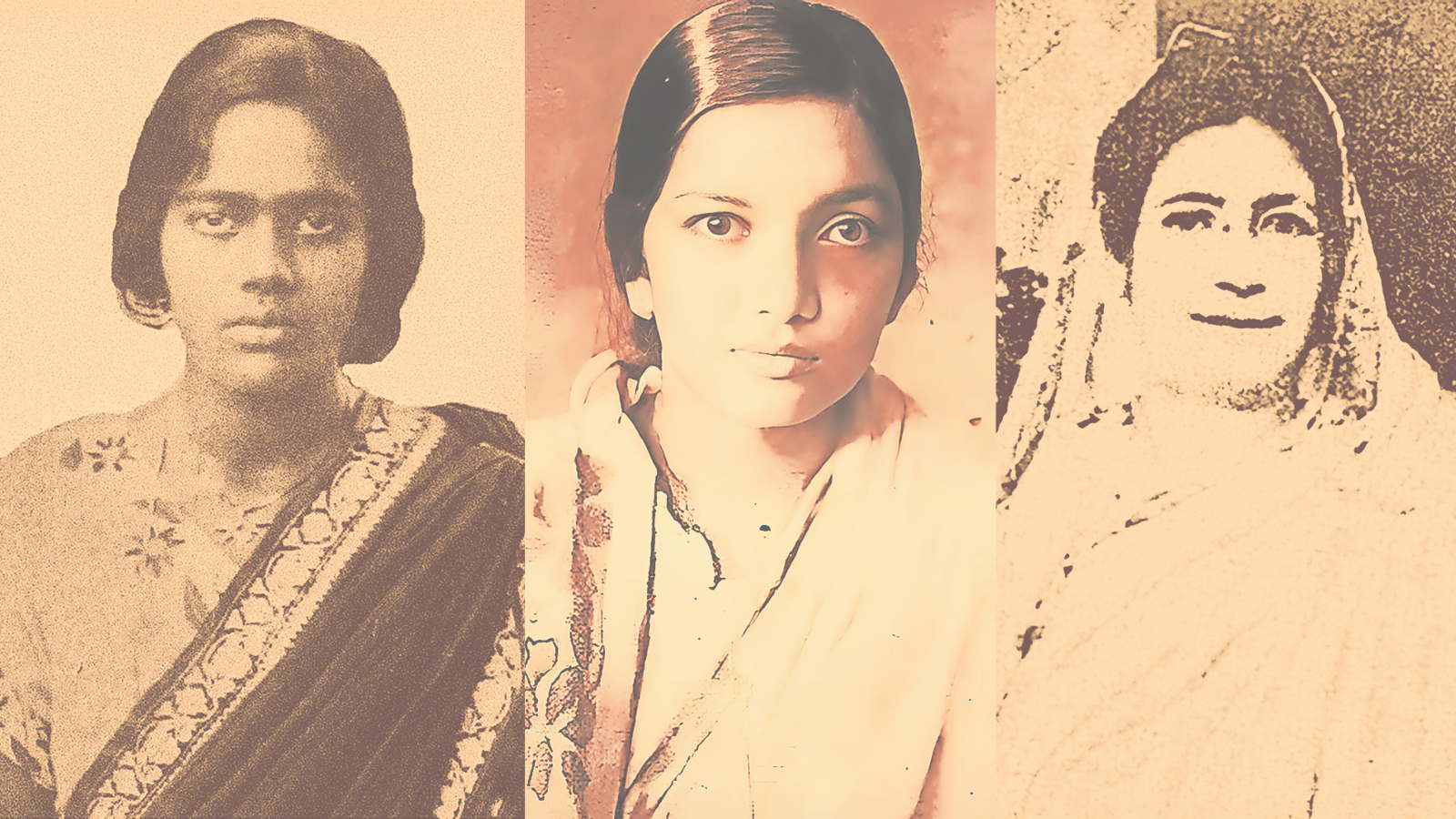
In the early 1900s, Bengali women in India bravely fought for freedom from British rule.
They faced both the British government and the unfair rules of their own society.
Some fought with guns, while others wrote books or helped in secret.
They did things like lead attacks, hide weapons, and teach girls.
These women were very brave and showed that everyone, including women, deserved to be free.
Their stories show how important it is for everyone to be treated fairly.

Bengali women revolutionaries fought against British rule and social constraints in early 20th-century India.
Women used diverse methods including armed resistance, intellectual activism, and literary works.
Pritilata Waddedar led an armed assault and Kalpana Datta participated in a raid, documenting women's equal roles.
Begum Rokeya Sakhawat Hossain wrote about a society led by women, and Kamala Das Gupta was a courier for revolutionaries.
Matangini Hazra, an illiterate widow, led a procession during the Quit India Movement and was shot.
- Who
- Pritilata Waddedar, Kalpana Datta, Bina Das, Begum Rokeya Sakhawat Hossain, Kamala Das Gupta, Nanibala Devi, Labanya Prabha Ghosh, and Matangini Hazra, among others.
- What
- Bengali women's contributions to the Indian Independence movement.
- When
- Early 20th century.
- Where
- Bengal, India.
- Why
- To fight for India's independence from British rule and to challenge social constraints faced by women.
- Key Figures
- Pritilata Waddedar, Kalpana Datta, Bina Das, Begum Rokeya Sakhawat Hossain, Matangini Hazra
- Key Events
- Armed assaults, writing, organizing, and public protests
- Movement
- Indian Independence Movement
- Main Goal
- Independence and challenging gender roles