

54 mins ago
Hormuz Security Crisis Drives Tanker Captains’ Pay to Record Highs
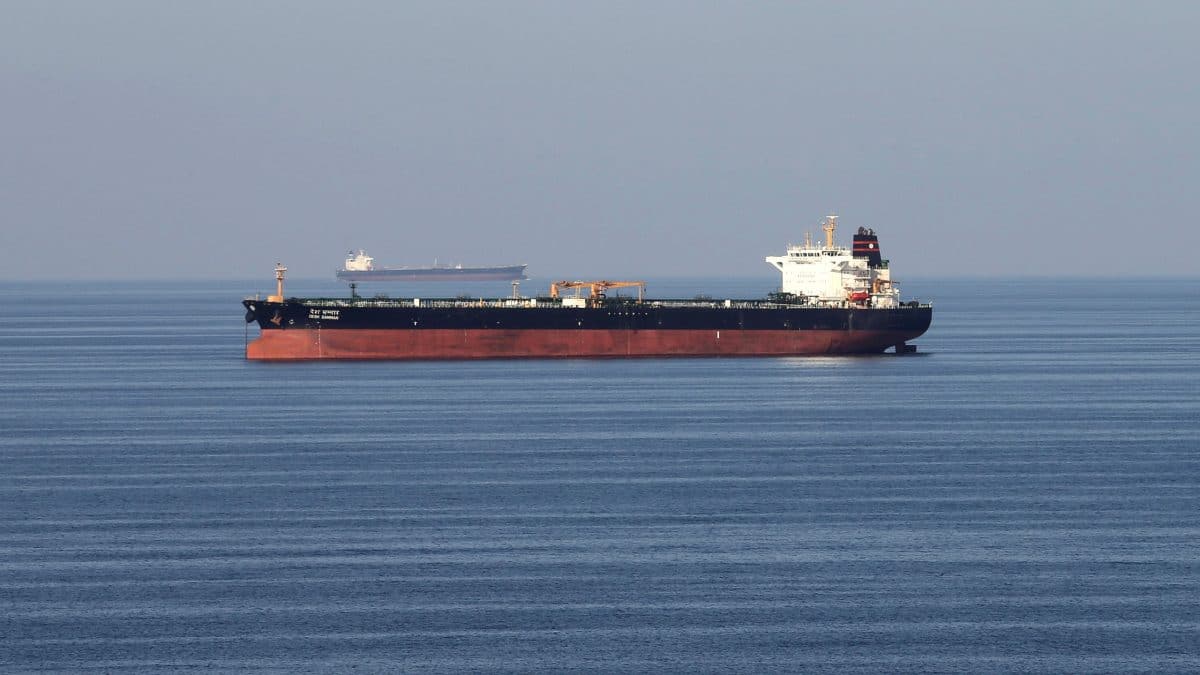
The Strait of Hormuz is a narrow sea route used to carry a lot of the world’s oil and gas.
Ships passing through it now face a greater risk of attack.
To persuade crews to make the trip, shipowners are offering very high wages and extra crossing bonuses.
Moving oil costs more too, because shipping, insurance and fuel have become more expensive.
Some seafarers say they may be pressured to take these dangerous voyages.
Fewer ships are crossing the strait than before the conflict.
Oil is still reaching markets, partly because some shipments use other routes.
If the danger grows, transporting oil could become even more costly.

Tanker captains are reportedly being offered up to $100,000 a month and a $50,000 bonus per Strait of Hormuz crossing.
Freight rates for voyages through the strait have risen to about $1.3 million per day, compared with $20,000–$50,000 a day last year.
Maritime security company Vanguard counted at least 14 attacks in the Hormuz area since September 20, including four vessels struck since Saturday.
Higher war-risk insurance and fuel costs are adding to the expense of transporting Gulf oil, while some crews say they face pressure to sail.
Oil flows from the Gulf have recovered close to pre-conflict levels, but flows through Hormuz remain about one-third below pre-war levels.
- Who
- Tanker captains, seafarers, shipowners, and Gulf oil exporters.
- What
- Rising security risks in the Strait of Hormuz are driving up crew pay, freight rates, insurance premiums, and fuel costs.
- Where
- The Strait of Hormuz and surrounding Gulf waters, including the Gulf of Oman.
- When
- The reported increases and security incidents are occurring amid a conflict that began on February 28; the article cites crossings on October 4 and attacks since September 20.
- Why
- Attacks and threats to shipping have made voyages riskier, while Gulf oil producers and shipowners continue trying to move crude through the route.
Crew compensation and consent concerns
Shipowners’ need to keep vessels moving
Risk pay versus pressure to sail
Crew compensation and consent concerns
Higher wages and crossing bonuses compensate crews for increased danger, but union representative Manoj Yadav said some workers who do not want to sail may be pressured.
Shipowners’ need to keep vessels moving
Shipowners are offering exceptional pay as they try to keep tankers operating and Gulf oil moving despite the security risks.
Continuing voyages versus rising danger
Crew compensation and consent concerns
Seafarers and vessels face attacks; crews may travel at night with GPS signalling switched off, and some seafarers may not view the additional pay as making the voyage voluntary.
Shipowners’ need to keep vessels moving
Shipping executive Scott Bergeron said attacks on ships and crews had become a new reality for the industry, while defensive air capabilities have been deployed near the route.
Key facts
- Captain pay offer
- Up to $100,000 per month, plus a $50,000 bonus for each crossing.
- Freight rate
- About $1.3 million per day this week, compared with $20,000–$50,000 per day last year.
- Attacks
- Vanguard reported at least 14 attacks in the Hormuz area since September 20.
- Ships hit and seafarers killed
- The International Maritime Organization recorded at least 93 ships hit and 24 seafarers killed since the conflict began on February 28.
- War-risk insurance
- Premiums are reported at 6–10% of a vessel’s hull value; a supertanker’s voyage premium can reach $20 million.
- Transits
- Windward estimated 13 vessels crossed on October 4, down from 24 the previous week and about 135 daily before the conflict.
- Oil flows
- Overall Gulf oil flows were close to pre-conflict levels, while flows through Hormuz remained about one-third below pre-war levels.
Sources
Related news

West Asia Crisis Sends India-Bound Tanker Rates Soaring

West Asia Oil Exports Rebound Despite Rising Tanker Attacks
Iran-US Ship Attacks Near Hormuz Send Oil Above $100
Iran Expands Hormuz No-Go Zone as Oil Tops $100
Tankers Struck Near Hormuz as Regional Tensions Raise Energy Concerns
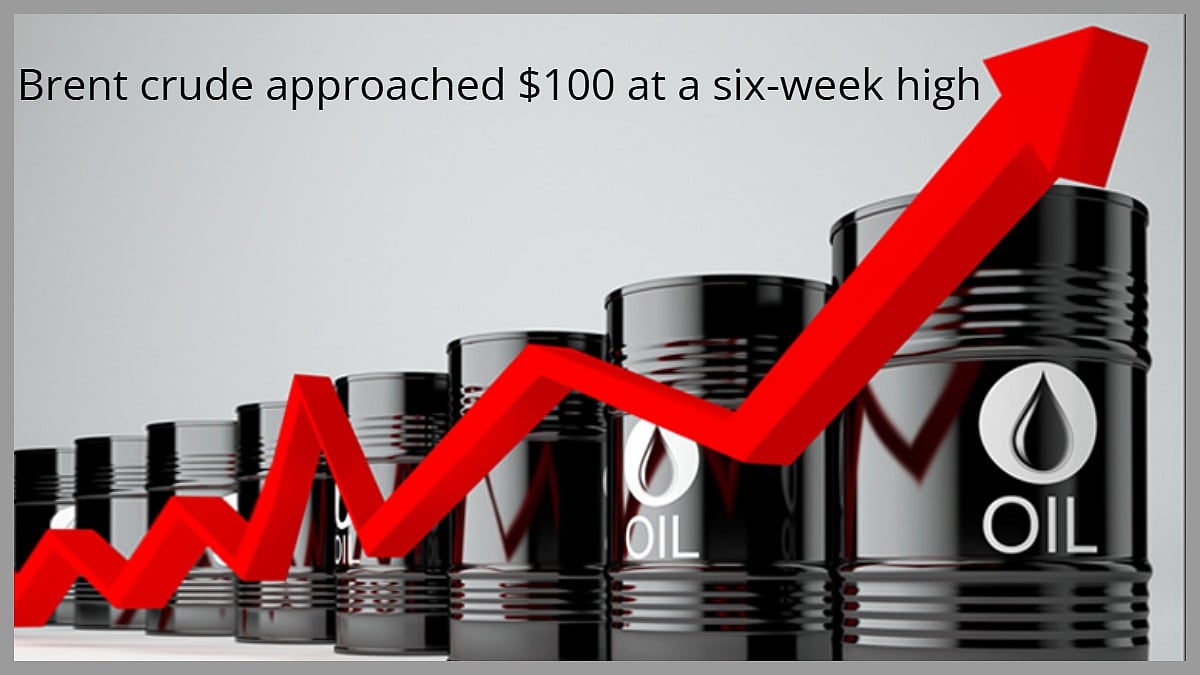
Oil Prices Near USD 100 as Iran-US Tensions Disrupt Supply
Trump Says Iran Is Decimated, Warns of Two Possible Endings

Gold Holds Steady as Oil, Yields Ease Fed Hike Bets
Trump Says Hormuz Oil Flows Have Reached Prewar Levels

Vance Says Iran Must Cut Enrichment to End War