11 months ago
India's E-Waste Recycling Rules Spark Legal Battle with Tech Giants
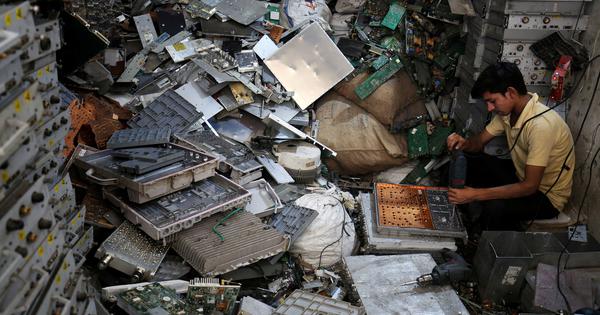
Imagine a lot of old phones, TVs, and computers piling up in India.
The government wants companies that make these electronics to collect and recycle most of it, like 80%, to get valuable materials back.
They also set a minimum price for recyclers.
But big companies like Samsung and LG say this is too hard and too expensive.
They used to have more freedom to recycle in different ways that cost less.
Now, they've sued the government.
This fight is important because India wants to get important minerals from old electronics, but some worry that new rules might hurt the millions of people who work informally to collect and break down this waste.

Major electronics companies are suing the Indian government over new e-waste recycling regulations.
The rules require producers to recycle 80% of their electronic waste by March next year and pay a fixed minimum price to authorized recyclers.
Companies argue the new rules are costly, difficult to implement, and remove the flexibility of previous recycling systems.
The government aims to formalize the recycling sector, recover critical minerals, and ensure fair payment for recyclers.
The lawsuit highlights potential impacts on manufacturers, licensed recyclers, and millions of informal waste workers in India.
- Who
- Samsung, LG, Daikin, Carrier, Hitachi, Havells, and other electronics producers
- What
- Suing the Indian government over new electronic waste recycling rules
- Where
- India
- When
- New rules issued in 2022, with tightened implementation in the last year; new recycling target due by March next year.
- Why
- Companies argue the rules, including increased recycling targets and a fixed minimum price for recyclers, are costly, difficult to implement, arbitrary, and anti-competitive, removing flexibility from previous systems.
Electronics Companies
Indian Government
Cost and Implementation of Rules
Electronics Companies
The requirement to recycle 80% and pay a fixed price of Rs 22 per kilogram is arbitrary, anti-competitive, and significantly more expensive than previous arrangements.
Indian Government
The rules are essential for building a formal, traceable recycling industry and ensuring recyclers are paid fairly, helping expand compliant facilities.
Flexibility in Recycling System
Electronics Companies
The previous system allowing for Extended Producer Responsibility (EPR) certificate trading offered flexibility and lower compliance costs.
Indian Government
The new system aims to formalize the sector and recover critical minerals, with the minimum price ensuring fair compensation and reducing reliance on informal workshops.
Recycler Capacity and Target Feasibility
Electronics Companies
Recycling targets are unrealistic due to a limited number of licensed recyclers, especially outside major cities.
Indian Government
India's formal electronic waste recovery rate already exceeds 40%, and the policy aims to scale up compliant facilities.
Key facts
- India's E-Waste Rank
- Third largest producer globally
- New Recycling Target
- 80% by March next year
- Minimum Recycling Price
- Rs 22 per kilogram
- Companies Sued
- Samsung, LG, Daikin, Carrier, Hitachi, Havells, and others
- Informal Worker Wage
- Approximately Rs 300 per day
- National Critical Minerals Mission
- $4 billion launched in 2023
Quotes
Companies
Producers of electronic goods, including Samsung, LG, Daikin, and Carrier, who have sued the Indian government.
“arbitrary”
 scroll.in
“anti-competitive”
scroll.in
Sources
Related news

Samsung Galaxy Tab S12 Series Launches In India

Samsung Launches Galaxy Tab S12 Series With Galaxy AI
India's Smartphone Prices Rise as OnePlus Limits Increase

Hyderabad Shooter Develops Wearable to Help Prevent Athletes’ Injuries

Samsung Galaxy S26 FE Review Finds Performance Strengths, Heating Compromises