

Archive · 20 Aug 2025
India's Nuclear Ambitions: Balancing Growth, Safety, and Private Sector
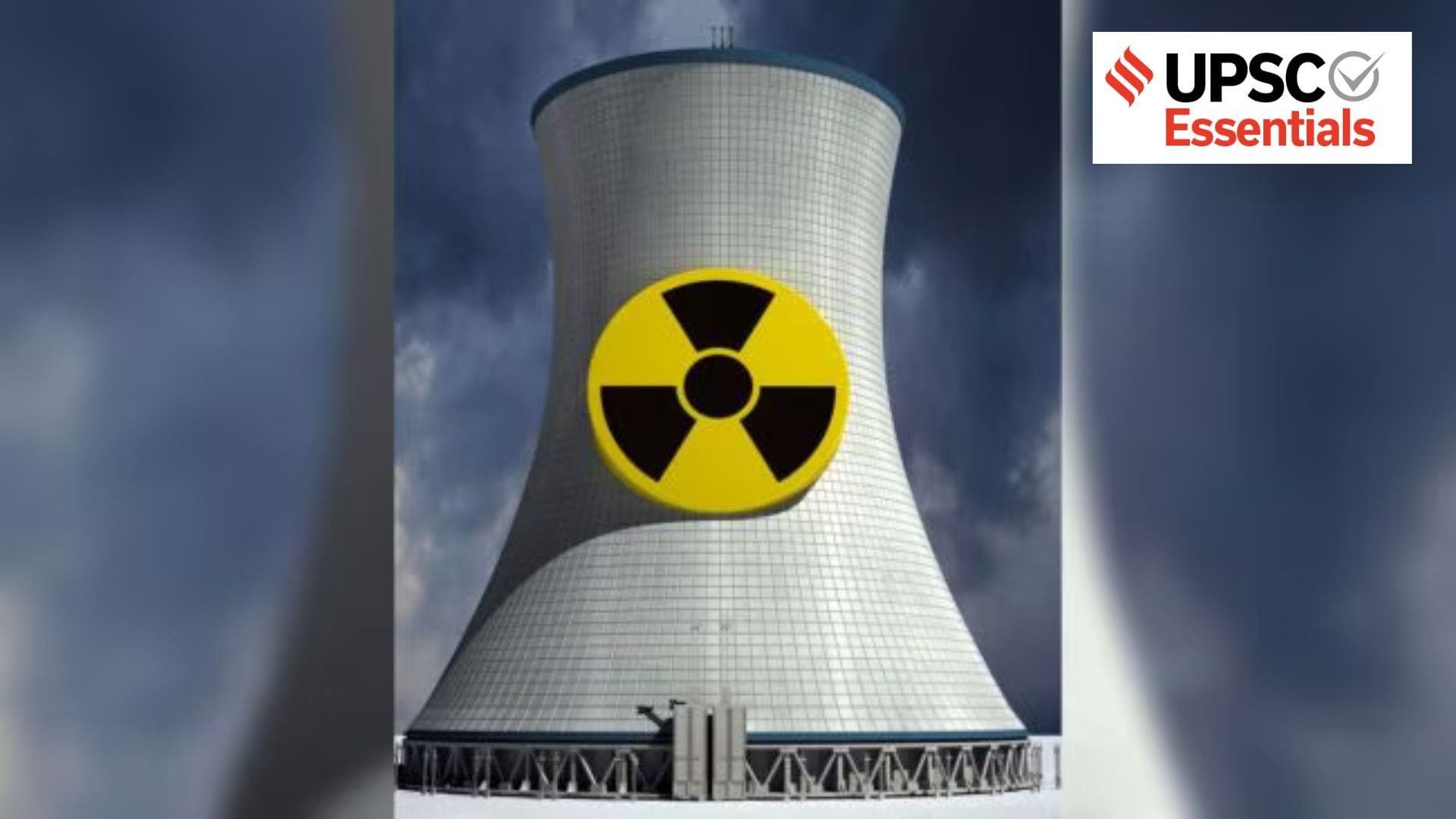
India is working to make more nuclear power to fight climate change.
Right now, the government controls the nuclear industry, but it's slow to build new plants.
To speed things up, they might let private companies help.
This could bring new ideas and money.
However, people worry about safety, especially after past accidents, so the government needs to make sure things are safe and trusted if private companies get involved.
They also need to secure enough uranium.

India aims to increase its nuclear power capacity, targeting net-zero emissions by 2070.
The government plans to triple its current nuclear power capacity by 2032, potentially involving the private sector.
The current state-controlled nuclear model faces constraints like slow capacity addition and lack of innovation.
Opening the nuclear sector to private participation could accelerate the development of Small Modular Reactors (SMRs) and thorium-based technologies.
Concerns regarding safety, liability, and public trust must be addressed for successful private sector involvement.
- Who
- The Indian government, with potential involvement from private sector.
- What
- India's plans to expand its nuclear energy capacity and potentially privatize the sector.
- When
- Recently, with goals extending to 2032 and 2047.
- Where
- India
- Why
- To achieve net-zero emissions, meet growing energy demands, and drive innovation.
Advocates of Privatization
Concerns about Privatization
Private vs. State Control
Advocates of Privatization
Increased efficiency and innovation through private investment.
Concerns about Privatization
Maintaining strict government control for security.
Technology Advancement vs. Safety
Advocates of Privatization
Accelerated development of advanced reactor technologies and SMRs.
Concerns about Privatization
Prioritizing stringent safety regulations before expanding.
- Current Nuclear Capacity
- 8180 MW
- Target Capacity by 2032
- Tripling current capacity
- Target Capacity by 2047
- 100 GW
- Primary Law Governing Nuclear Activities
- Atomic Energy Act, 1962
- Key Concerns
- Safety, liability, public trust, and fuel supply
Sources

India eyes 10% of global green hydrogen exports by 2030: Union Minister Naik
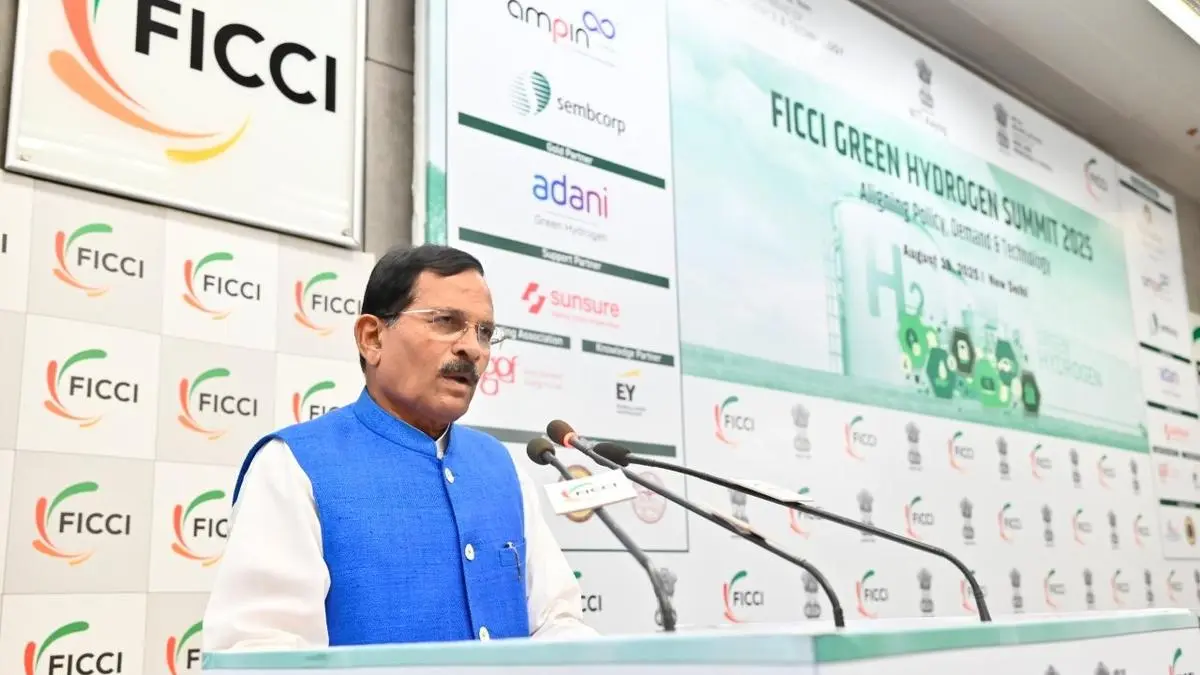
India aims to capture 10% of global green hydrogen demand

India aims to capture 10 pc of global green hydrogen demand: Minister
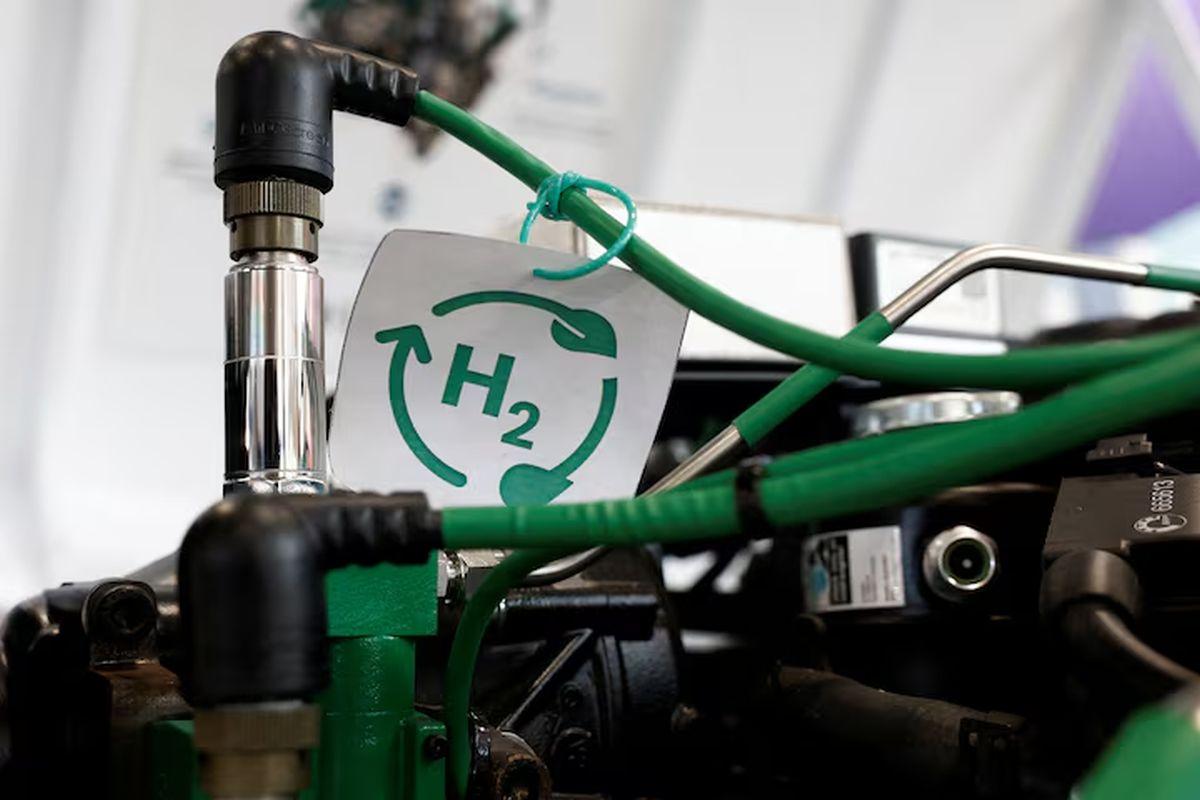
India eyes 10% of global green hydrogen exports by 2030: Minister

Knowledge Nugget: What you must know about India’s green hydrogen plants for the UPSC exam