Archive · 4 Sep 2026
Syria Pitches Oil Corridor as Alternative to Strait of Hormuz
Syria wants to become a travel and shipping bridge between Iraq, the Mediterranean and Europe.
It is offering the port of Baniyas as another way to move oil and goods when ships cannot easily use the Strait of Hormuz.
About 5,000 oil trucks are already traveling from southern Iraq to Baniyas each day.
Syria and its partners are also considering a much larger pipeline from Basra to Baniyas.
The pipeline could carry up to 2 million barrels of oil every day.
It could cost $5.7 billion and take at least two and a half years to build.
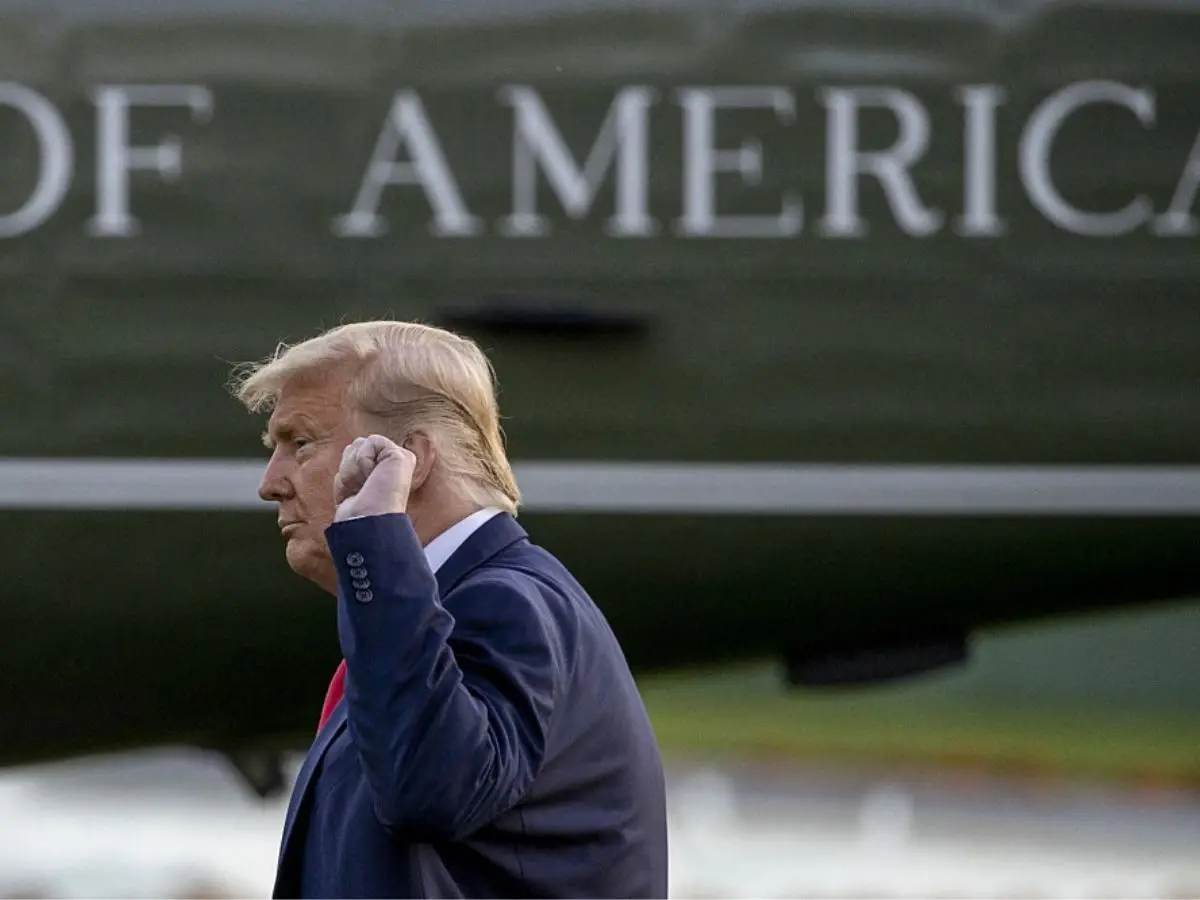
US President Donald Trump has praised the idea.
However, fighting, attacks, money problems and expensive insurance could make the route difficult to protect and operate.

Syria is promoting its Mediterranean coast and Baniyas port as an alternative route for oil and goods amid disruptions around the Strait of Hormuz.
About 5,000 trucks a day have reportedly moved crude between southern Iraq and Baniyas since a trial operation began in April.
A proposed 1,000-mile Basra-to-Baniyas pipeline could cost $5.7 billion and transport up to 2 million barrels of crude daily.
The Trump administration has backed the Chevron-linked pipeline proposal, but construction would take at least two and a half years.
Security threats, financing needs, infrastructure challenges, insurance costs and Syria’s history of conflict could limit the corridor’s viability.
- Who
- Syria under President Ahmed al-Sharaa, southern Iraqi oil exporters, the Trump administration and Chevron are involved in the proposed corridor.
- What
- Syria is promoting Baniyas and proposed overland links as an alternative route for oil and other goods normally shipped through the Strait of Hormuz.
- When
- Truck movements began in April; Donald Trump praised the proposal on Thursday. The proposed pipeline would take at least two and a half years to build.
- Where
- The proposed pipeline would run about 1,000 miles from Basra in southern Iraq to Baniyas on Syria’s Mediterranean coast.
- Why
- Disruptions and security concerns linked to the US-Iran war have encouraged traders and producers to seek alternatives to the Strait of Hormuz.
Potential Benefits
Risks and Limits
Alternative energy route
Potential Benefits
Supporters say Baniyas could give Iraqi and Gulf energy exporters a westward route to Mediterranean and European markets, reducing reliance on the Strait of Hormuz.
Risks and Limits
The proposed corridor would not fully replace tanker traffic through Hormuz and would require substantial infrastructure, financing and security guarantees.
Pipeline feasibility
Potential Benefits
The Basra-to-Baniyas pipeline could eventually carry up to 2 million barrels of crude daily and diversify regional energy routes.
Risks and Limits
The project would take at least two and a half years to build, while pipelines crossing Syria could remain vulnerable to militant attacks.
Syria’s logistics ambitions
Potential Benefits
Damascus hopes to connect Europe with the Gulf and Red Sea, potentially making Syria a broader regional logistics hub.
Risks and Limits
Years of conflict and sanctions, along with insurance, infrastructure and security problems, could make those ambitions difficult to realize.
- Current trucking
- About 5,000 trucks per day are reportedly moving crude between southern Iraq and Baniyas.
- Proposed route
- A pipeline would connect Basra in southern Iraq with Baniyas on Syria’s Mediterranean coast.
- Pipeline length
- Approximately 1,000 miles.
- Estimated cost
- $5.7 billion.
- Potential capacity
- Up to 2 million barrels of crude per day.
- Construction time
- At least two and a half years.
- Political response
- US President Donald Trump shared a Washington Post report about the proposal and wrote, “This is GREAT!”