Archive · 10 Nov 2025
ESA Researches Insects for Sustainable Astronaut Diets in Space
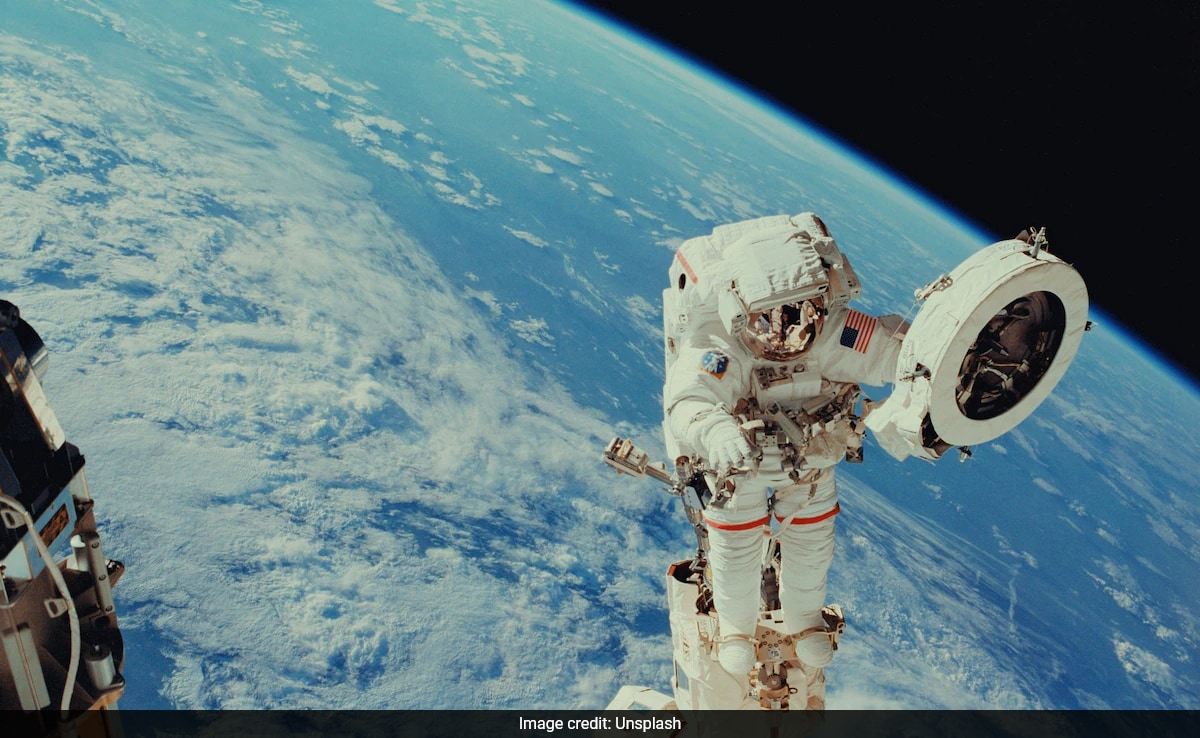
Scientists are looking into whether bugs could be food for astronauts going on very long space trips.
Even back in 1947, tiny fruit flies were sent to space and came back alive, showing that small creatures can survive the journey.
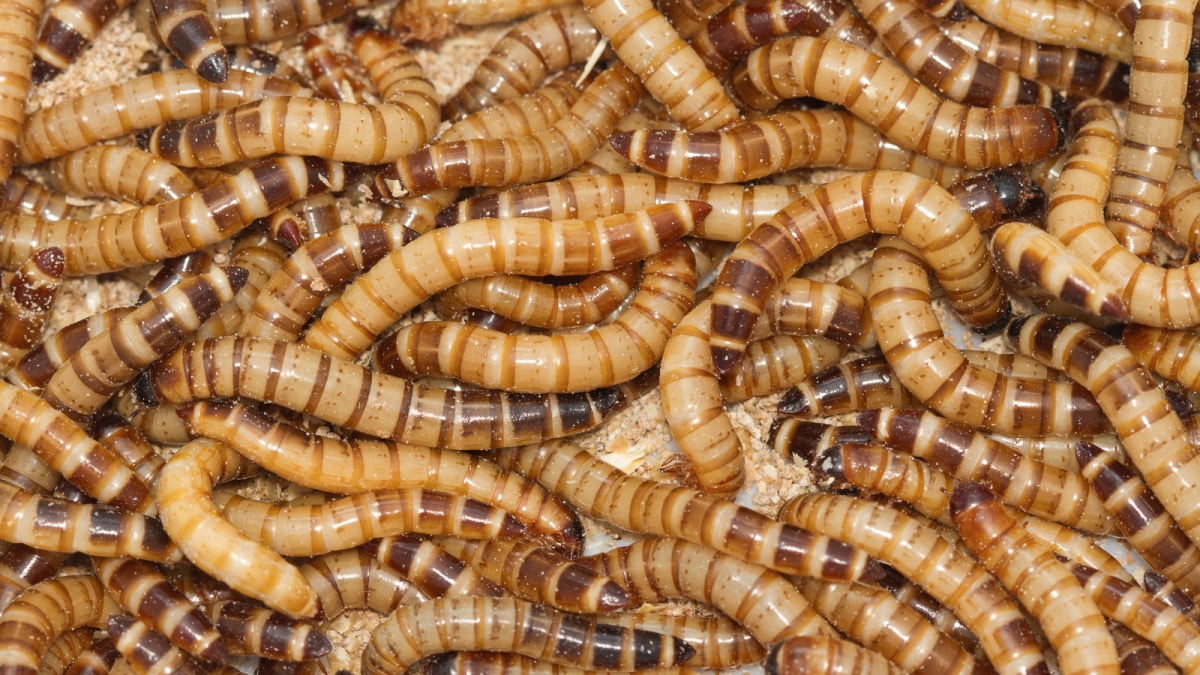
Now, agencies like ESA are studying many kinds of insects, like crickets and mealworms, because they are packed with protein and don't need much space or food.
They can even eat leftover scraps!
Some bugs have been tested on the International Space Station, and one astronaut even ate a snack bar made with cricket flour.
The goal is to find a way for astronauts to grow their own food in space, rather than carrying tons of supplies from Earth.
This could make space travel easier and more sustainable for future explorers.

ESA is researching the use of insects as a sustainable food source for astronauts on long-duration space missions.
Insects are highly efficient, nutritionally dense, require minimal resources, and can adapt to space environments, including microgravity.
Historical precedent includes fruit flies surviving space travel in 1947, proving life's resilience beyond Earth.
Recent approvals for insect consumption (crickets and mealworms) in Europe open possibilities for space diets.
ESA aims to understand insect life cycles, reproduction, and nutritional quality in space to establish future space farming capabilities.
- Who
- European Space Agency (ESA), NASA, researchers from Swedish University of Agricultural Sciences
- What
- Investigating the viability of insects as a sustainable and nutritious food source for astronauts on long-duration space missions.
- When
- Ongoing research, with historical precedents dating back to 1947 and recent approvals in 2023 for insect consumption.
- Where
- Space (International Space Station) and Earth-based laboratories.
- Why
- To enhance astronaut autonomy, resilience, and well-being by providing a sustainable, resource-efficient, and nutritionally dense food option for future space exploration.
Pro-Insect Diet
Skepticism/Alternative Views
Nutritional Value & Efficiency
Pro-Insect Diet
Insects are highly nutritious, dense in protein, require minimal resources, small habitats, and convert food efficiently, making them ideal for space missions.
Skepticism/Alternative Views
While nutritious, the palatability and psychological acceptance of eating insects by astronauts, who are accustomed to traditional or synthesized foods, remains a potential hurdle.
Sustainability & Resource Use
Pro-Insect Diet
Insects can thrive on waste materials, reducing the need for transporting extensive food supplies and contributing to self-sustaining food cycles in space.
Skepticism/Alternative Views
Long-term, multi-generational studies in microgravity are needed to fully understand the reproductive capabilities and potential unforeseen challenges of insect farming in space environments.
- Research Focus
- Insects' ability to survive, grow, reproduce, and be utilized as food in space environments.
- Key Insects Studied
- Fruit flies, houseflies, bumblebees, caterpillars, ants, stick insects, honeybees, tardigrades, crickets, mealworms.
- Historical Precedent
- Fruit flies were the first animals to survive space travel in 1947, proving life's resilience.
- Nutritional Benefits
- High protein content, efficient conversion of resources, and ability to grow on waste materials.
- Organizations Involved
- European Space Agency (ESA), NASA, Swedish University of Agricultural Sciences.
- Recent Developments
- European Food Safety Authority (EFSA) approved crickets and mealworms for human consumption in 2023.
- ESA Astronaut Example
- Samantha Cristoforetti took a cricket flour cereal bar to the ISS in 2022.