

Archive · 21 Aug 2025
Methylene Blue Study Finds Organ Discoloration in German Research
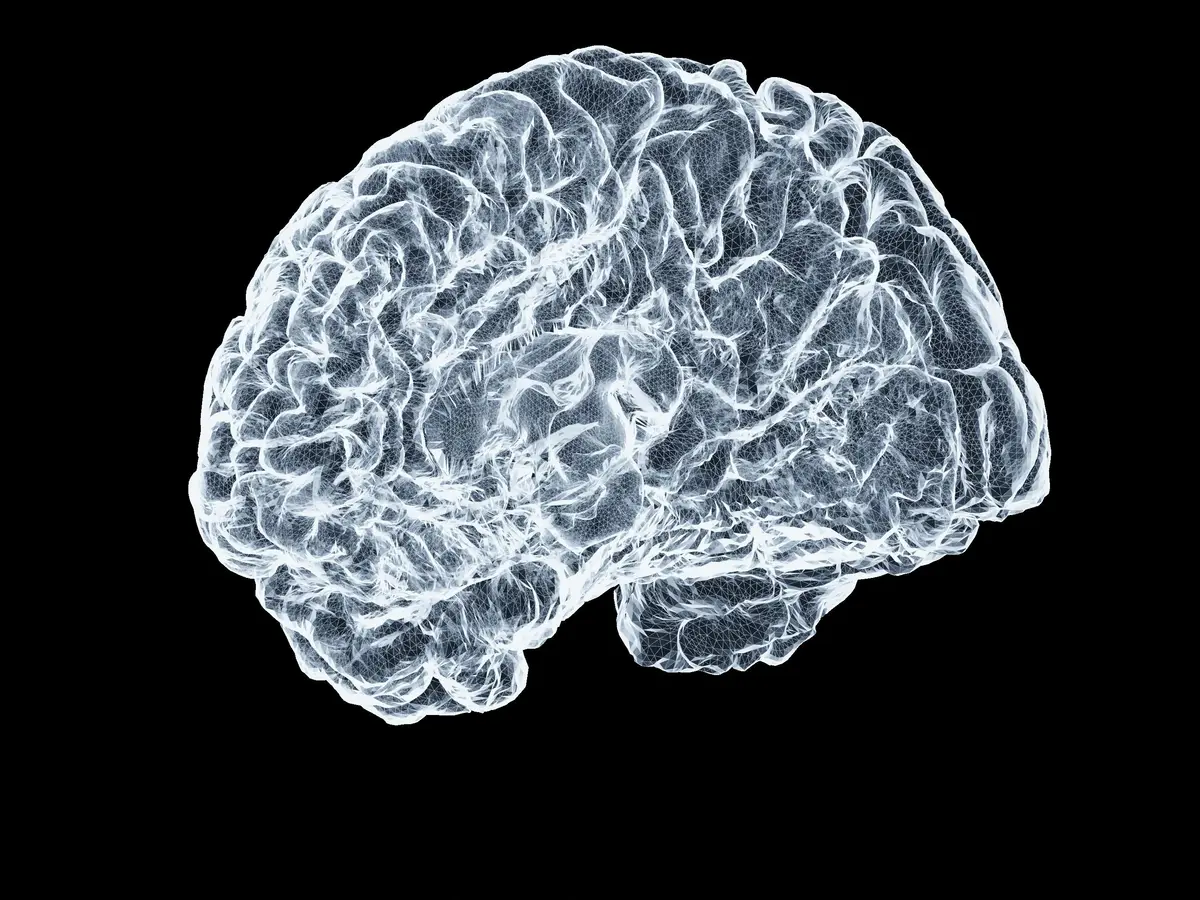
Scientists in Germany discovered that a substance called methylene blue, used for treating some illnesses, can turn organs blue.
They studied cases where people had received this substance before their deaths.
During autopsies, they saw that the brains, hearts, and other organs had changed color.
Even small amounts of the substance were enough to cause this.
The researchers found that this color change wasn't why the people died but might affect medical exams later on.

German researchers found that methylene blue, a substance used to treat various conditions, caused organ discoloration.
Autopsies revealed that the brains, hearts, lungs, and pancreas of patients who received the substance turned blue.
The study examined 11 cases where methylene blue or toluidine blue had been administered.
As little as 25 milligrams of the substance was enough to change the brain's color.
Researchers stated that the discoloration was not linked to the patients' deaths, but could interfere with forensic processes.
- Who
- German researchers studied cases of patients who had received methylene blue.
- What
- A study found that methylene blue caused organ discoloration in patients.
- When
- The study was published in the journal Forensic Science, Medicine and Pathology.
- Where
- Researchers at University Hospital Frankfurt in Germany conducted the study.
- Why
- To understand the effects of methylene blue on the body.
- Substance Used
- Methylene blue or toluidine blue
- Organs Affected
- Brains, hearts, lungs, pancreas
- Administered Dosage
- 50 to 200 milligrams intravenously
- Minimum Dosage to Change Color
- 25 milligrams
- Link to Deaths
- Not linked to deaths
- Study Publication
- Forensic Science, Medicine and Pathology