Archive · 28 Sep 2026
Oil Rises as Trump Rejects Iran’s Hormuz Proposal
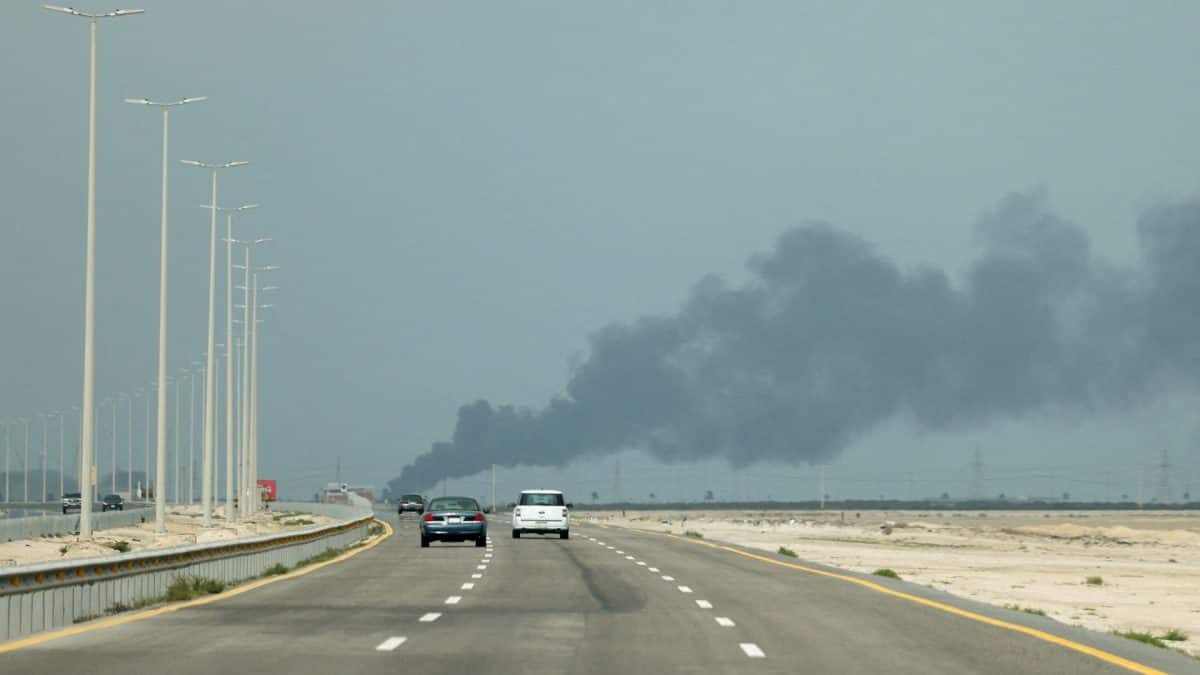
Oil prices went up after Donald Trump rejected Iran’s plan for reopening the Strait of Hormuz.
Iran said the waterway could reopen within seven days if several conditions were met.
These conditions included ending a United States naval blockade, allowing more Iranian oil sales and agreeing to a regional ceasefire.
Trump said Iran had asked for too much.
He also said talks with Iran might restart this week.
Iran said it still supported negotiations but would not change its conditions.
The Strait of Hormuz is an important route for ships carrying oil and gas.
Before the conflict, about one-fifth of the world’s crude oil and liquefied natural gas passed through it.
Continued fighting or shipping problems could keep energy prices high.

Oil prices rose after Donald Trump rejected Iran’s proposal to reopen the Strait of Hormuz and resume negotiations.
Iran’s seven-day proposal required lifting the United States naval blockade, easing restrictions on Iranian oil sales and establishing a regional ceasefire.
Brent prices were reported between $98.64 and above $107 a barrel, while West Texas Intermediate approached or reached $94.
Trump called Iran’s conditions unacceptable but said negotiations could resume this week; Iran said its position had not changed.
The strait previously carried about one-fifth of global crude oil and liquefied natural gas shipments, while regional military tensions remained elevated.
- Who
- Iran, United States President Donald Trump, Iranian Foreign Minister Abbas Araghchi and regional military forces are involved.
- What
- Oil prices rose after Trump rejected Iran’s conditions for reopening the Strait of Hormuz and restarting negotiations.
- When
- The developments were reported on Sunday and Monday; Trump said negotiations could resume this week.
- Where
- The Strait of Hormuz and the wider Middle East, including Iran, Yemen and Saudi Arabia.
- Why
- Uncertainty over when shipping through the strait will return to normal, alongside continuing military tensions, raised concerns about global energy supplies.
Iran’s Position
United States Position
Conditions for reopening the strait
Iran’s Position
Iran said the Strait of Hormuz could reopen within seven days if its conditions were met and that those conditions remained unchanged.
United States Position
Donald Trump rejected the conditions as unacceptable and said Iran had overplayed its position.
Diplomatic prospects
Iran’s Position
Iranian Foreign Minister Abbas Araghchi said Tehran remained committed to negotiations and that a diplomatic resolution was possible.
United States Position
Trump rejected Iran’s proposal but said negotiations with Tehran could resume this week.
Shipping activity through Hormuz
Iran’s Position
Fars news agency reported that Iranian forces targeted ships using routes they considered unauthorized.
United States Position
Trump said a record amount of oil was taken out of the strait on Saturday night.
- Brent prices
- Reports put Brent at $98.64 a barrel in one market update and above $106 or $107 in others.
- West Texas Intermediate prices
- West Texas Intermediate was reported at $93.39 a barrel in one update and near $94 in another.
- Iran’s proposal
- Iran proposed reopening the Strait of Hormuz and restarting negotiations within seven days, subject to conditions.
- Iranian conditions
- The conditions included lifting the United States naval blockade, easing restrictions on Iranian oil sales and agreeing to a regional ceasefire.
- Strait significance
- Before the conflict, the Strait of Hormuz carried about one-fifth of the world’s crude oil and liquefied natural gas shipments.
- Diplomatic outlook
- Trump rejected Iran’s proposal but said negotiations could resume this week; Iran said it remained committed to talks.
- Regional security
- Saudi-led coalition forces said they intercepted Houthi drones headed toward Riyadh and a missile targeting Khamis Mushait.