

Archive · 19 Sep 2025
Nepal's Maoist Rebellion: A Decade-Long Conflict Explained
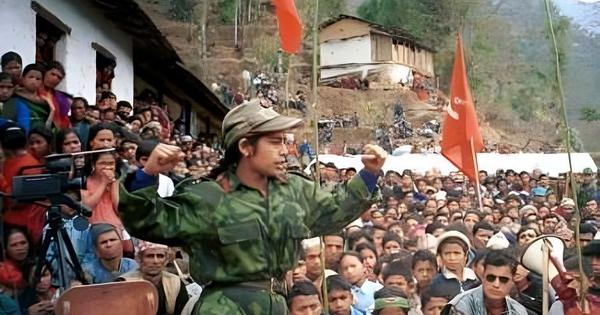
In Nepal, Maoists, who wanted to change the government, started a fight against the king.
They launched a military campaign to disrupt elections planned by the king.
The Maoists attacked government buildings and intimidated people, trying to make the elections fail.
They moved across the country, clashing with the army and police.
Many people didn't want the king in power, so few people voted.
This rebellion was fueled by things like unfair treatment of people in the villages and the Maoists' desire to gain power.
In the end, the king's plan didn't work.

The Maoist rebellion in Nepal began around the same time Kshitiz Magar finished school.
The Gandak Campaign was a key part of the Maoist strategy to attack state security forces and undermine the monarchy.
The campaign aimed to prevent local politicians from registering and discourage participation in elections.
Maoists attacked government offices and engaged in combat during the campaign.
The king's plan to legitimize his rule through elections failed due to low turnout and international skepticism.
- Who
- Maoists, led by figures like Kshitiz Magar, and the King Gyanendra
- What
- A Maoist rebellion and a campaign of attacks to undermine the King's planned elections.
- When
- 2005-2006
- Where
- Nepal, specifically in areas like Rolpa, Tansen, and Kathmandu.
- Why
- Maoists aimed to undermine the King's rule and establish their control.
- Event
- Maoist rebellion and Gandak Campaign in Nepal
- Key Figure
- Kshitiz Magar, Maoist vice-commander
- Date of Elections
- Scheduled for February 8, 2006
- Campaign Objective
- Intimidate candidates and prevent elections
- Election Turnout
- Approximately 20%