

Archive · 19 Nov 2025
Hara Hachi Bu: Japanese Eating Philosophy Gains Attention for Weight Loss
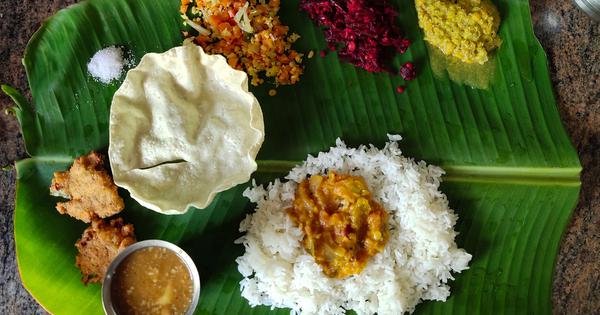
Hara hachi bu is a Japanese way of eating where you stop when you're about 80% full.
It's not a diet, but it can help you eat healthier and lose weight.
It's like listening to your body and not eating too much.
It's also about enjoying your food and not eating while distracted, like watching TV or using your phone.

Hara hachi bu is a Japanese Confucian teaching that instructs people to eat until they're around 80% full.
It's gaining attention as a strategy for weight loss, but it's not meant to be a restrictive diet.
Research suggests it can reduce daily calorie intake and lower long-term weight gain and BMI.
Hara hachi bu aligns with healthier meal patterns, encouraging more vegetables and fewer grains.
It shares principles with mindful and intuitive eating, which can reduce emotional eating and improve diet quality.
- Who
- People following the Japanese Confucian teaching of hara hachi bu
- What
- Eating until they're around 80% full
- When
- Not specified
- Where
- Not specified
- Why
- To maintain a healthy weight and improve overall diet quality
Proponents of Hara Hachi Bu
Critics of Hara Hachi Bu
Weight Loss
Proponents of Hara Hachi Bu
Hara hachi bu can help with weight loss by reducing daily calorie intake.
Critics of Hara Hachi Bu
Focusing solely on eating less can lead to restriction, dysregulation, and overeating.
Restrictive Diet
Proponents of Hara Hachi Bu
Hara hachi bu is not meant to be a restrictive diet, but a way of eating in tune with the body.
Critics of Hara Hachi Bu
It may not suit everyone, such as athletes, children, or those with specific nutritional needs.
- Origin
- Japanese Confucian teaching
- Purpose
- Eating in moderation and stopping before full
- Research Findings
- Reduces daily calorie intake, lower long-term weight gain and BMI, healthier meal patterns
- Similar To
- Mindful and intuitive eating
- Not Suitable For
- Athletes, children, older adults, and those living with illness