

Archive · 9 Jun 2025
Why Northeast India Receives High Rainfall and Its Paradoxes
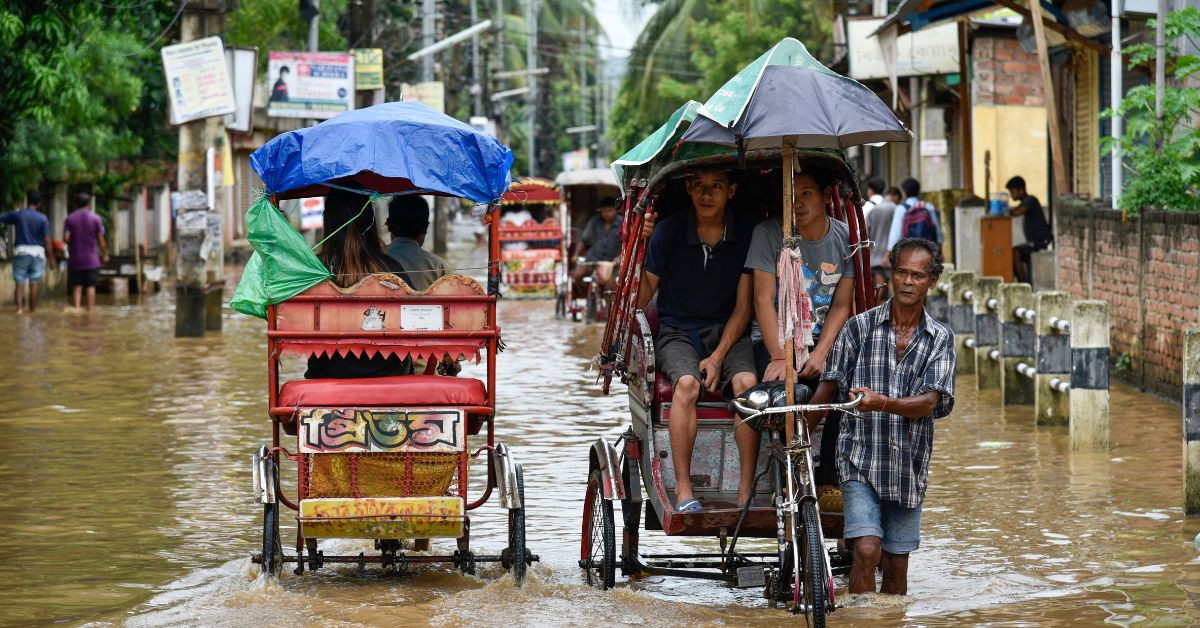
Northeast India, especially Mawsynram, gets a lot of rain because of the way the land is shaped and how the monsoon winds come in.
The hills force the rain clouds to drop tons of water.
This can cause floods and landslides, which cause problems.
But, even though it rains a lot, some places don't have enough water to drink.
To fix this, experts suggest building ways to collect rainwater and store water, so the people can have enough water, even during the dry times.

Mawsynram, Meghalaya, holds the record for the highest annual rainfall globally.
The region's topography and the Southwest monsoon contribute to the heavy rainfall.
Monsoon winds from the Bay of Bengal hit the hills, causing the air to rise, cool, and condense.
Heavy rainfall leads to flooding and landslides, impacting lives.
Despite the rain, water scarcity is an issue, urging for water management solutions.
- Who
- Northeast India, particularly Mawsynram, and Professor Upma Chaturvedi.
- What
- The reasons behind the heavy rainfall in Northeast India and the challenges and solutions associated with it.
- When
- The monsoon season, typically from June to October.
- Where
- Northeast India, with a focus on Mawsynram in Meghalaya.
- Why
- Due to the region's topography and the impact of the Southwest monsoon.
Current Situation
Government & Individuals
Water Access
Current Situation
Communities in Northeast India face water scarcity despite the abundance of rainfall.
Government & Individuals
The government and individuals should prioritize better water management strategies, including rainwater harvesting.
- Location with Highest Rainfall
- Mawsynram, Meghalaya
- Average Annual Rainfall in Mawsynram
- 11,872 millimeters
- Monsoon Season Duration
- June to October
- Key Factor
- Topography and Southwest Monsoon
- Issue
- Flooding, landslides and Water Scarcity
- Professor's Suggestion
- Create rainwater harvesting structures and natural lakes