

2 hrs ago
US Strikes Iranian Oil Tankers After Missile Attack
The United States says Iranian missiles threatened an American aircraft carrier and a destroyer.
In response, U.S. forces attacked three Iranian oil ships.
The United States says the ships helped Iran move oil and support armed groups.
Two ships were disabled, and another empty ship was destroyed.
Iran says the attacks were a war crime and blamed the United States for escalating the conflict.
Iran also warned that it could respond more strongly if American forces keep interfering with its ships.
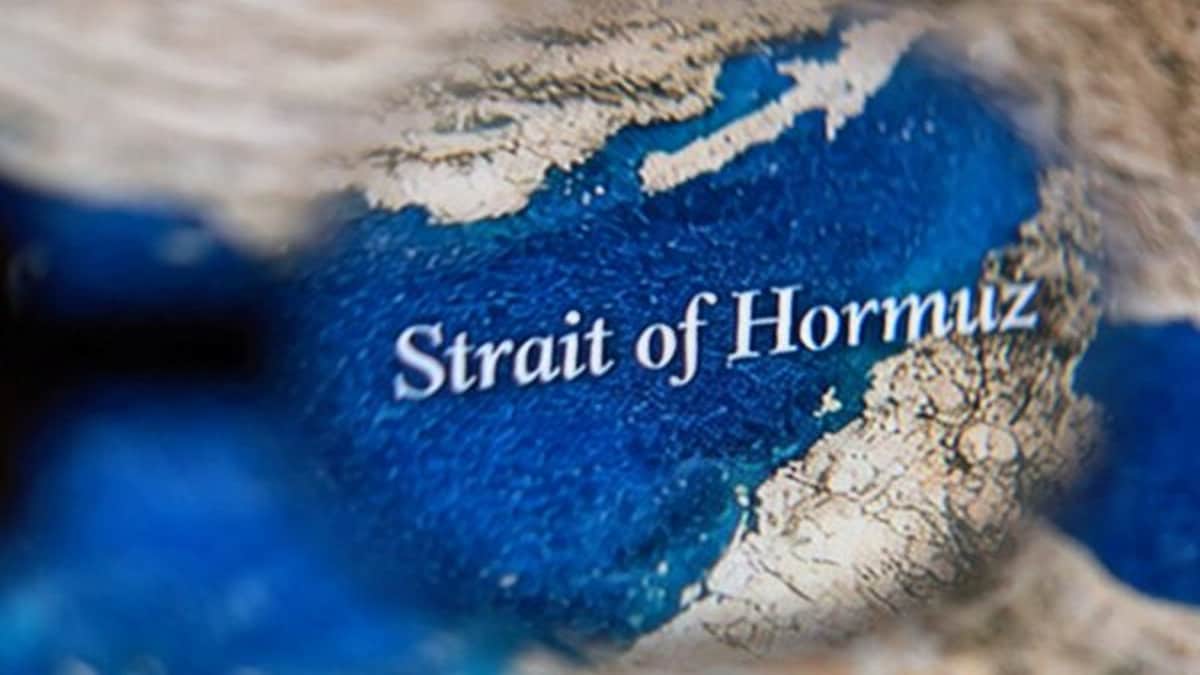
The attacks happened near important oil-shipping routes, including the Strait of Hormuz.
The strikes come after months of fighting and failed negotiations between the two countries.

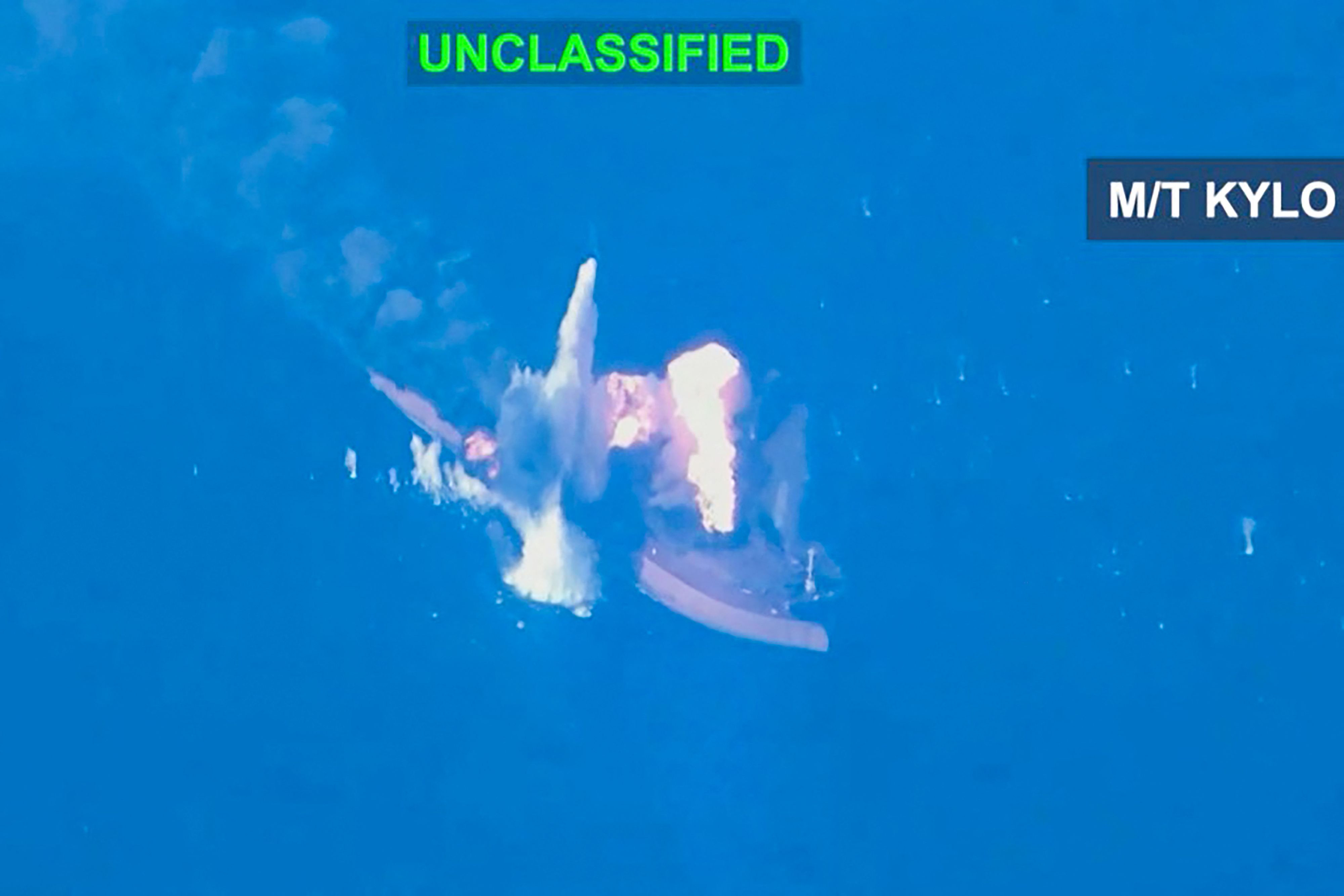
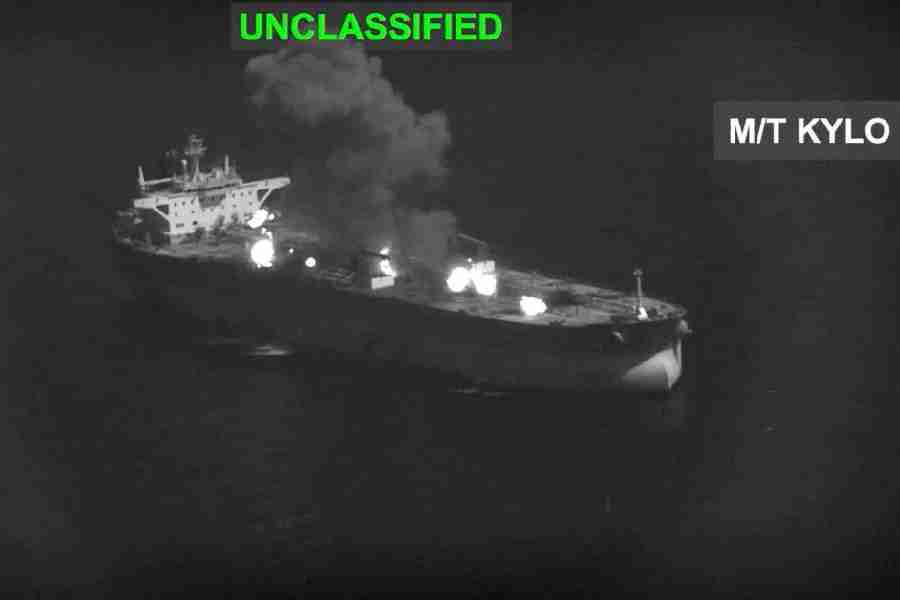
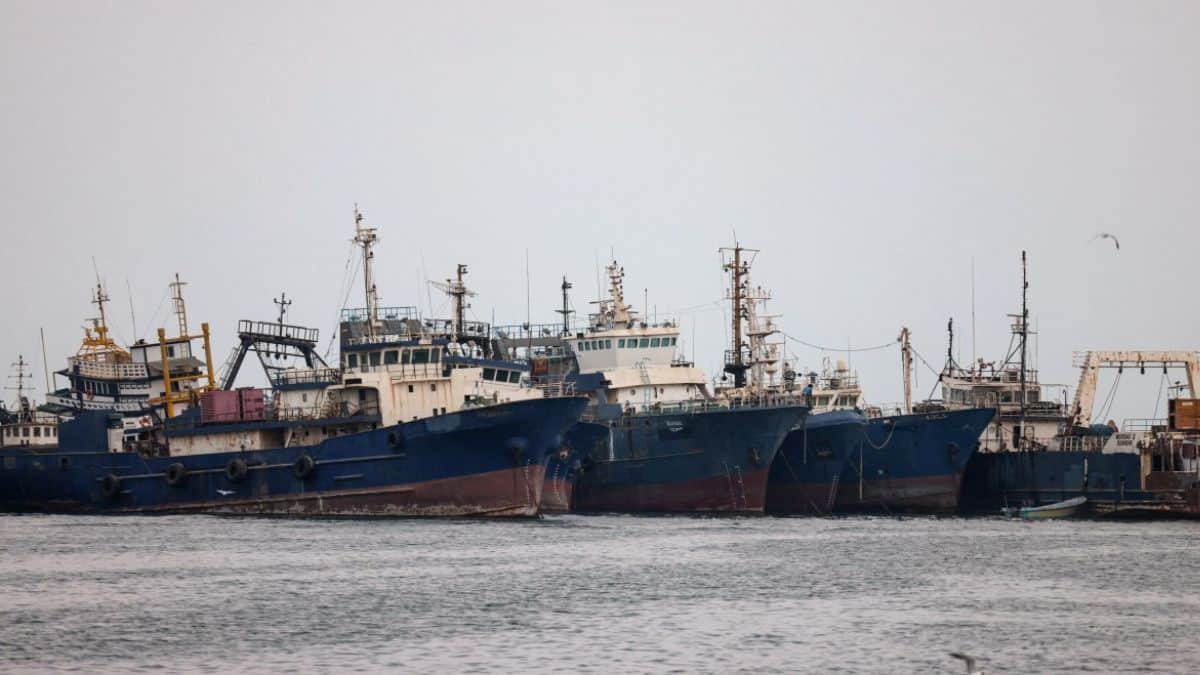
U.S. forces struck three Iranian oil tankers after American warships faced multiple ballistic-missile attacks, according to the U.S. military.
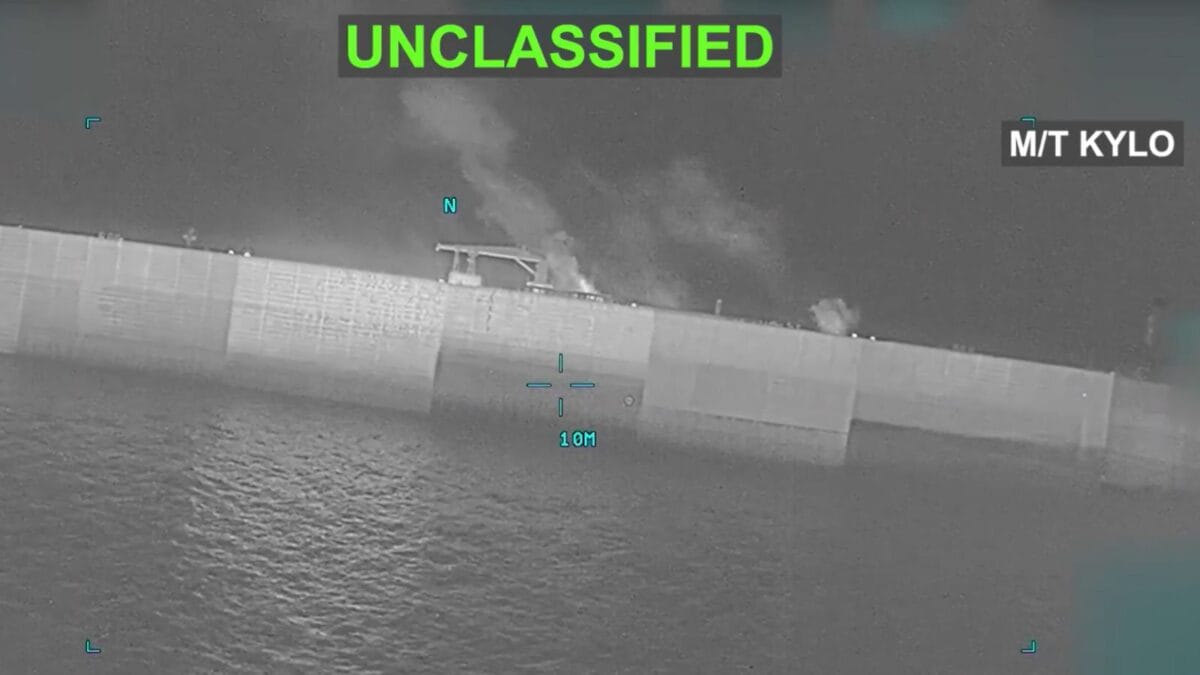
The military said two tankers were permanently disabled and an unladen third tanker was destroyed; crews evacuated or were ordered to abandon ship.
The strikes occurred near Kharg Island, Jask, and in the Gulf of Oman, according to statements from the United States and Iran.
U.S. Central Command said the tankers supported a shadow network funding Iran’s Revolutionary Guard and regional armed proxies.
Iran called the attacks a war crime and warned that continued U.S. interference with Iranian shipping would bring more severe consequences.
- Who
- U.S. forces and Iranian military and maritime authorities were involved; Adm. Brad Cooper and Iran’s Foreign Ministry issued statements.
- What
- U.S. forces struck three Iranian oil tankers after the U.S. military said American warships faced ballistic-missile attacks.
- Where
- The tankers were struck near Kharg Island, near Jask, and in the Gulf of Oman; the broader confrontation involves the Strait of Hormuz.
- When
- The strikes were reported Saturday, after nearly a week of renewed attacks and months of intermittent war.
- Why
- The United States said it was defending its forces and disrupting an Iranian shadow fleet that funded the Revolutionary Guard and armed proxies; Iran said the strikes were aggression and economic warfare.
United States’ position
Iran’s position
Justification for the strikes
United States’ position
The U.S. military said its forces were defending American warships from multiple unprovoked Iranian ballistic-missile attacks and targeting ships linked to sanctions evasion and armed proxies.
Iran’s position
Iran’s Foreign Ministry called the attacks a war crime and said responsibility for the consequences of continued U.S. aggression and economic warfare rested with Washington and its allies.
Future maritime actions
United States’ position
Adm. Brad Cooper said the United States would defend its forces and, if necessary, destroy Iran’s limited and exposed oil fleet.
Iran’s position
Iran’s military command warned that attacks on U.S. military ships would become more severe if Washington continued interfering with Iranian shipping.
Negotiations and the conflict
United States’ position
Vice President JD Vance said there was no prospect for renewed talks while Iran continued attacking ships; the administration has combined military action with financial pressure.
Iran’s position
Iran’s elected government, led by President Masoud Pezeshkian, has said it favors a negotiated end to the war, while Tehran’s new hard-line leaders have signaled a willingness to continue resisting pressure.
Key facts
- Ships struck
- Three Iranian oil tankers
- U.S. account
- An aircraft carrier and destroyer evaded multiple Iranian attacks, with no U.S. personnel hurt.
- Reported damage
- Two tankers were permanently disabled and one unladen tanker was destroyed.
- Strike locations
- Near Kharg Island, near Jask, and in the Gulf of Oman.
- U.S. justification
- The tankers were described as part of a shadow network supporting Iran’s Revolutionary Guard and regional armed proxies.
- Iranian response
- Iran’s Foreign Ministry called the attacks a war crime and warned of consequences for continued U.S. aggression.
- Broader conflict
- The war began with U.S. and Israeli attacks on Iran on Feb. 28, according to the report, and negotiations later collapsed.
Quotes
Masoumeh Zarei
13-year-old Iranian girl wounded in an earlier U.S. bombardment
“The first three explosions at the telecommunications tower threw us to the ground. I quickly got up to pick my brothers up off the ground. Then there were two more explosions, and after that I don’t remember anything.”
 deccanchronicle.com
“The party had just started, and we wanted to go there. I had made my nails really pretty for the party, but everything changed.”
deccanchronicle.com
Adm. Brad Cooper
Head of U.S. Central Command
“We will not hesitate to defend American forces, and if necessary, destroy Iran’s limited and exposed oil fleet”
deccanchronicle.com
Sources
Related news
US Strikes Three Iranian Tankers, Threatens Iran’s Oil Fleet
US Strikes Three Iranian Oil Tankers After IRGC Attacks
US Strikes Iranian Tankers After Navy Ships Targeted
Iran Threatens Harsher Strikes After US Tanker Attacks

Iran Claims Retaliatory Strikes After US Destroys Three Tankers
U.S. Sinks Iran-Linked Tanker, Releases Gulf of Oman Footage
Iran and US Trade Vessel Strikes Around Strait Hormuz
Fuel Tanker Explosion Kills 11 in Western Iran
Iran Claims Missile Attack on US Warships Amid Escalation
