

Archive · 13 Jun 2025
Study Finds Global Ocean Darkening Affecting Marine Life
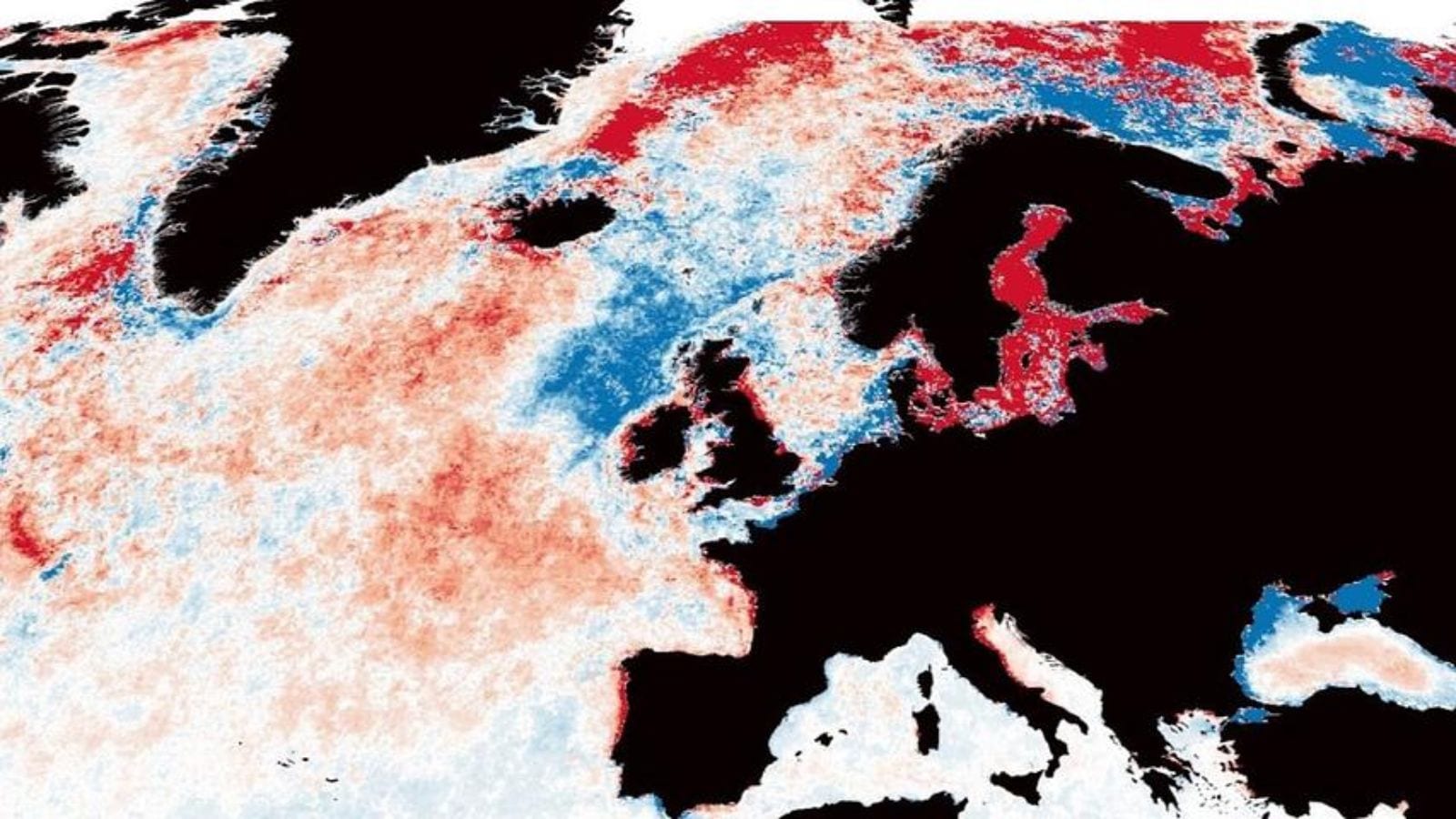
Imagine the ocean as a giant playground for plants and animals.
Sunlight helps plants grow there, like the food chain's beginning.
But scientists found some areas are getting darker, meaning less sunlight gets through.
This can happen because of things like polluted runoff and changes in the types of tiny plants in the ocean.
This darkening is like the playground's lights dimming, making it harder for animals to see and find food.
It could also mess up how the ocean helps us by producing air and dealing with climate change, meaning more problems for everything living there.

A recent study indicates over 20% of the global ocean has darkened in the last two decades.
Ocean darkening refers to the shrinking of photic zones, vital for photosynthesis and marine life.
Coastal zones experience darkening due to runoff; the open ocean sees darkening from plankton changes and temperature shifts.
Darkening can disrupt marine ecosystems, affecting species reliant on sunlight and moonlight.
The study highlights potential habitat loss, with implications for biodiversity and climate regulation.
- Who
- Researchers from the University of Plymouth conducted the study.
- What
- A study shows significant darkening in global oceans, reducing light penetration.
- When
- Between 2003 and 2022.
- Where
- Across the globe, with the most pronounced darkening in climate-sensitive zones.
- Why
- Darkening is caused by runoff, plankton changes, and temperature shifts, impacting marine life.
Potential Impacts of Ocean Darkening
NA
Ecosystem Disruption
Potential Impacts of Ocean Darkening
Ocean darkening can disrupt marine ecosystems.
NA
NA
Species impact
Potential Impacts of Ocean Darkening
Darkening can impact the species depending on light.
NA
NA
- Study Title
- Darkening of the Global Ocean
- Percentage of Ocean Darkened
- Approximately 21%
- Primary Cause in Coastal Zones
- Runoff of nutrients and sediments
- Primary Cause in Open Ocean
- Changes in plankton dynamics
- Indicator Species
- Calanus copepods