Archive · 14 Nov 2025
US Mint Strikes Final Penny After 232 Years of Production

The United States Mint has stopped making new pennies after printing them for 232 years.
It costs almost 4 cents to make one penny, which is much more than it's worth.
This was seen as a big waste of money, and stopping it is expected to save about $56 million each year for taxpayers.
The very last penny was made on Wednesday in Philadelphia.
Even though no more new pennies will be made, all the pennies you already have are still good and can be used to buy things.
The Mint also made some special final pennies with a special symbol to be auctioned off.

The U.S. Mint has ended the production of the American penny after 232 years.
The final penny was minted on Wednesday at the U.S. Mint in Philadelphia.
Each penny costs 3.69 cents to produce, which is more than its one-cent face value.
Ending penny production is expected to save taxpayers an estimated $56 million annually.
Existing pennies will remain legal tender, and special commemorative pennies were minted for auction.
- Who
- The U.S. Mint
- What
- Officially ended the production of the American penny.
- When
- Wednesday
- Where
- U.S. Mint in Philadelphia
- Why
- The cost to produce each penny (3.69 cents) exceeds its face value, making it a wasteful practice. President Trump ordered the Treasury to stop production to save taxpayers an estimated $56 million annually.
Arguments for Ending Penny Production
Arguments for Keeping the Penny
Historical Significance vs. Practicality
Arguments for Ending Penny Production
The penny, though historically significant since 1793, has lost its purchasing power, with its value now insufficient to buy items like a biscuit or candy. Most pennies end up unused in jars or drawers.
Arguments for Keeping the Penny
The penny holds deep historical and cultural significance, having been in circulation for 232 years and being nearly as old as the U.S. itself. Despite diminished purchasing power, it remains legal tender and billions are still in circulation.
Cost of Production
Arguments for Ending Penny Production
Each penny costs 3.69 cents to produce, significantly more than its face value. This is considered a wasteful practice that President Trump ordered to end, aiming to save taxpayers approximately $56 million annually.
Arguments for Keeping the Penny
While the cost of production is a concern, the long history and cultural significance of the penny are important factors. The process of eliminating such a long-standing coin should involve Congress, not a unilateral presidential order.
- End of Production Date
- Wednesday
- Location of Final Minting
- US Mint in Philadelphia
- Cost to Produce One Penny
- 3.69 cents
- Estimated Annual Taxpayer Savings
- $56 million
- Historical Run
- 232 years
- Commemorative Pennies
- Final five pennies minted were part of a batch of 232 marked with an Omega symbol for auction.
- Legal Tender Status
- Remaining pennies in circulation are still legal tender.
Sources
No More Pennies? Why The US Mint Has Ended Production Of 1-Cent Coin
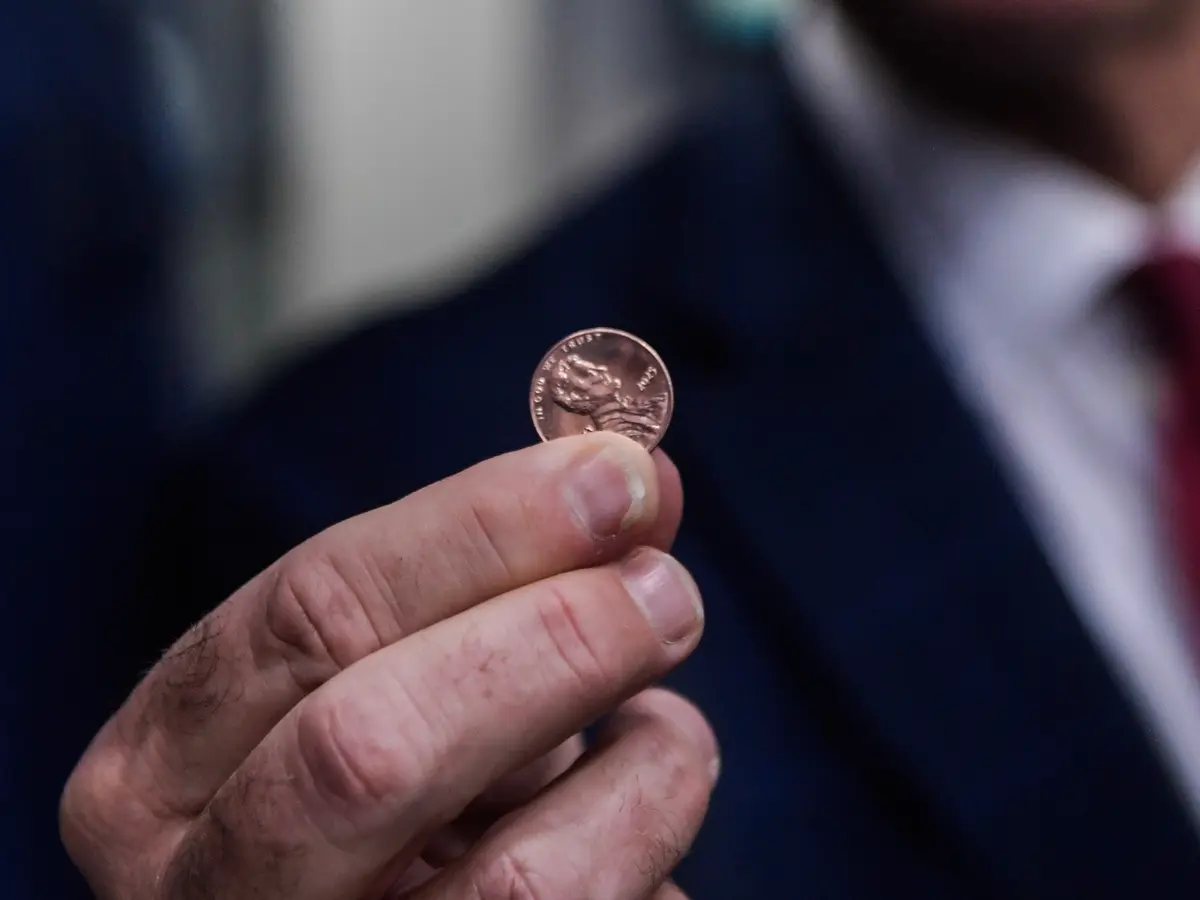
'Penny for your thoughts': US stops minting pennies after 232 years. Here's why

Farewell to thee, penny! US retires one-cent coin after 230 years — will it lose its value now and become illegal?
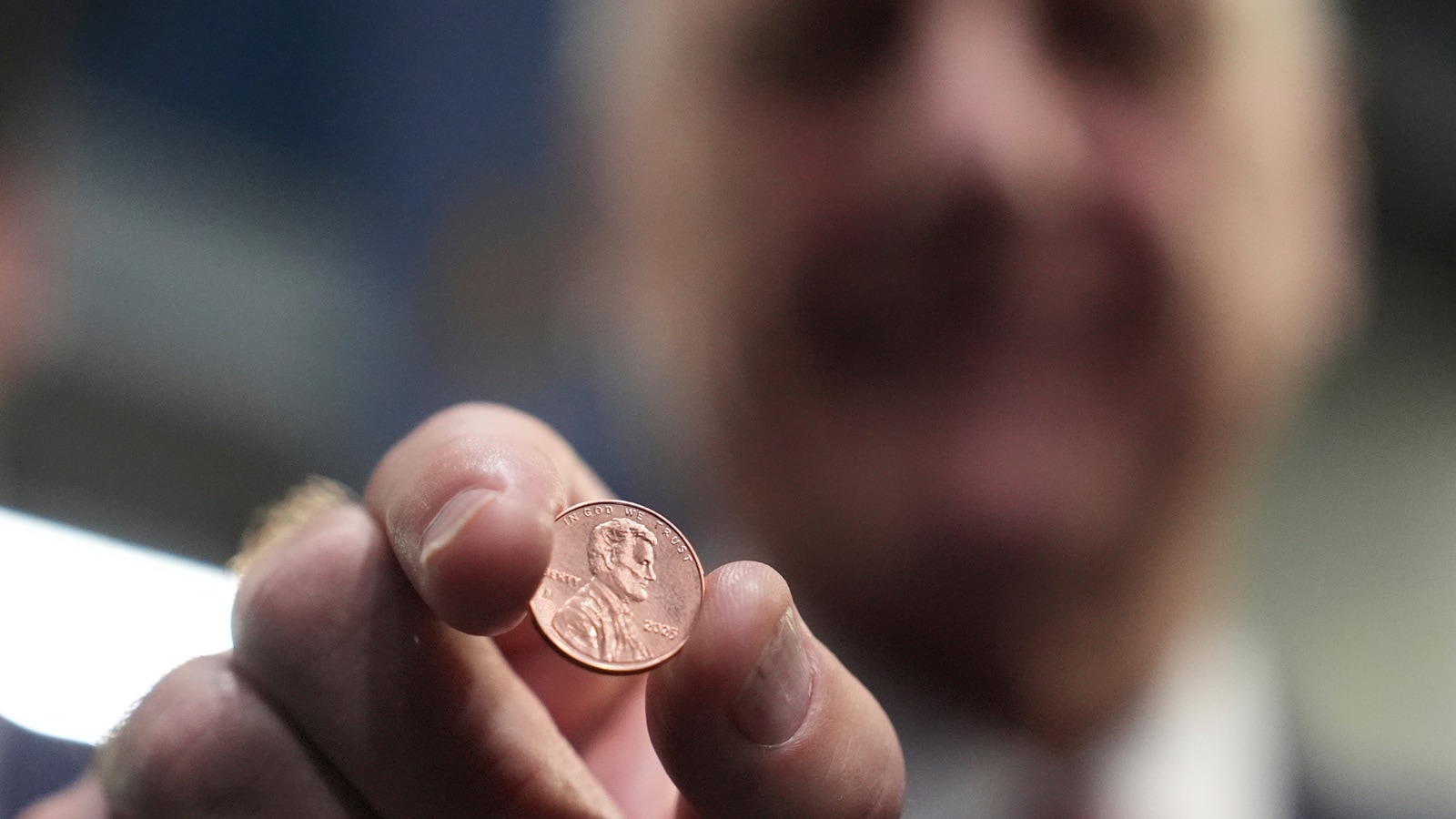
US Mint presses final penny as production ends after more than 230 years

US Mint to stop producing pennies after 230 years. Interesting facts on the ‘one-cent piece'

End of an era: Last ever ‘lucky’ penny printed by US Mint