

Archive · 8 Nov 2025
Invisible, Sudden, Fatal: Blood Clot Risks and Indian Research Efforts
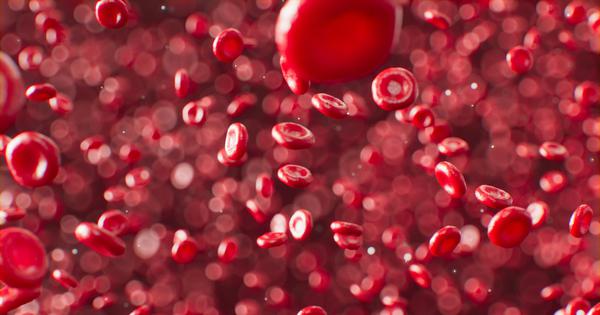
Imagine your blood is like a river flowing through your body.
Sometimes, little sticky bits in your blood, called platelets, can get together and form a dam, which is a blood clot.
If this dam forms in a place it shouldn't, like in a big blood vessel going to your heart, lungs, or brain, it can stop the flow of blood, like a dam stopping a river.
This can be very dangerous and even cause sudden death.
In India, people can get clots at a younger age than in other countries.
Things like being sick (like after a cold or COVID-19), not moving much, being overweight, or even flying on a plane for a long time can make clots more likely.
Doctors use medicines to stop clots from forming or to break them up.
Scientists in India are also working on new ways to find clots early, like with special tiny tests, and to make better medicines that can deliver medicine right to the clot.
While some vaccines have had very rare links to clots, doctors say the benefits of getting vaccinated are much bigger than the small risks.
The best ways to help prevent clots are to move around often, drink enough water, and for doctors to check if you might be at risk.

Blood clots are a major cause of death globally, responsible for one in four fatalities, and tend to affect younger populations in India.
Risk factors for blood clots include viral infections, sedentary lifestyles, obesity, diabetes, surgery recovery, pregnancy, and certain geographical conditions.
While COVID-19 highlighted clotting risks, public awareness remains low, despite simple prevention methods like regular movement and hydration.
Advancements in treatment include blood thinners and clot-busting enzymes, with Indian researchers developing innovative diagnostic tools and drug delivery systems.
Prevention through early detection, public awareness campaigns, and hospital-based data collection initiatives like i-RegVeD are crucial for tackling this silent killer in India.
- Who
- Global population, with a specific focus on India; medical researchers and healthcare professionals.
- What
- The life-threatening issue of blood clots, their risk factors, prevention, and new research and diagnostic developments, particularly in India.
- When
- The issue is ongoing, with increased awareness post-COVID-19 and new research and initiatives emerging.
- Where
- Globally, with specific emphasis on India and various geographic conditions impacting clotting risk.
- Why
- Blood clots are a major, often invisible, cause of sudden death and organ damage due to their ability to block blood flow to vital organs.
Benefits of Vaccination
Rare Risks of Vaccination
Impact of COVID-19 Vaccines on Clotting
Benefits of Vaccination
mRNA-based vaccines from Pfizer and Moderna have not shown an increased risk of clotting disorders. Experts agree that the benefits of vaccination far outweigh the small risk of rare side effects.
Rare Risks of Vaccination
A rare condition called thrombosis with thrombocytopenia syndrome (clotting with low platelet counts) was linked to AstraZeneca and Johnson & Johnson vaccines, occurring in about 10 people per million doses.
- Global Impact
- Blood clots are linked to one in four deaths worldwide, surpassing deaths from AIDS, breast cancer, and traffic accidents combined.
- Indian Mortality
- Over 2.5 million Indians die annually from heart-related causes, with clotting being a significant factor.
- Risk Factors
- Sedentary lifestyle, obesity, diabetes, post-surgery recovery, cancer treatment, pregnancy, oral contraceptives, and genetic mutations.
- Environmental Risks
- High altitudes and conditions like dehydration and extreme cold (e.g., in Siachen, Ladakh, Amarnath treks) can increase clotting risk.
- Prevention Strategies
- Regular movement, staying hydrated, wearing compression stockings, and early screening for those at risk.
- Treatment Advancements
- Blood thinners (anticoagulants), newer oral anticoagulants, and clot-busting enzymes like streptokinase.
- Indian Research Innovations
- Nanozyme (IISc) to prevent clots, nanoparticles for targeted drug delivery (IIT BHU), and a microRNA-145 diagnostic test (DRDO).
- India's Registry
- i-RegVeD, a hospital-based registry launched in 2022, collects data to improve understanding and treatment of venous thromboembolism.