

Archive · 26 May 2025
Misinformation Undermines U.S.-China Trade Truce
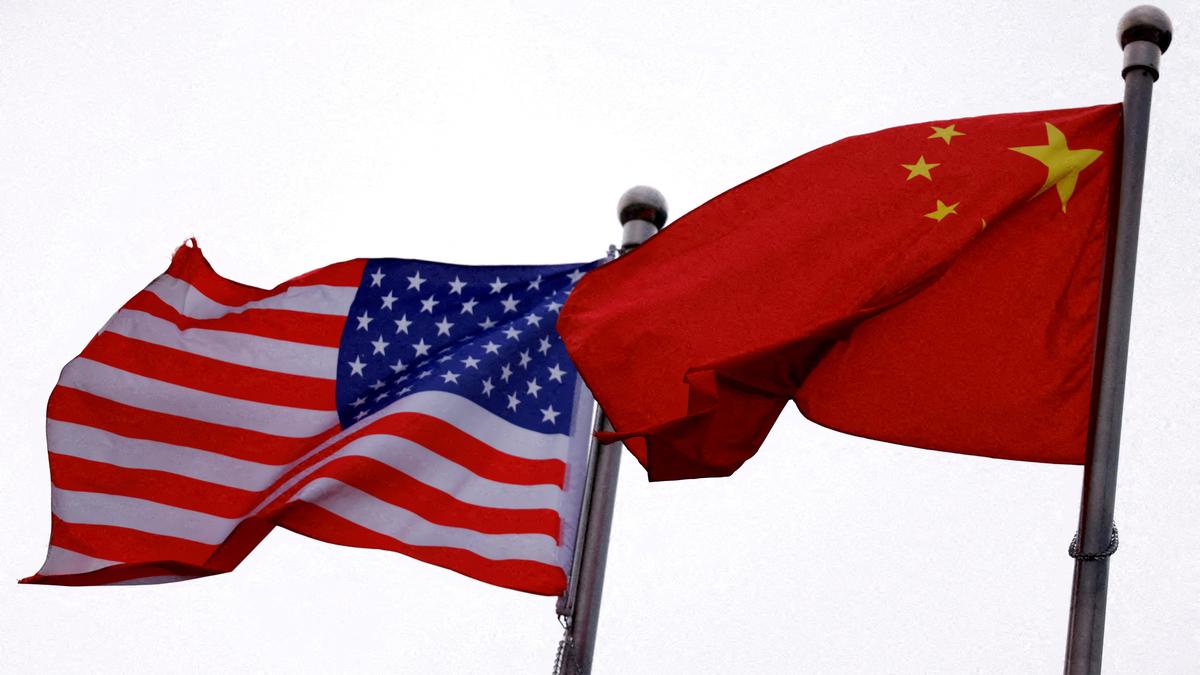
Imagine the U.S. and China are trying to get along to trade, but some people are spreading false stories online.
These stories might say Americans are having a hard time or that brands are tricking people.
The fake stories are on apps like TikTok and are likely from groups trying to make China look good.
The stories try to change how people feel about the trade deal.
Experts think these fake stories will keep going.
The false stories include made-up videos and untrue claims that might confuse people.

Misinformation campaigns are targeting the U.S.-China trade truce.
False narratives, including fabricated videos and claims, are circulating online.
These campaigns are amplified on platforms like Douyin and Weibo.
The spread of misinformation may be state-sponsored and aims to sway public opinion.
Experts anticipate that these narratives will persist alongside trade negotiations.
- Who
- Misinformation campaigns target the U.S. and China.
- What
- False narratives about the U.S.-China trade war are spreading online.
- When
- Ongoing as of May 2025, especially after a trade truce in May.
- Where
- Across social media platforms like Douyin, Weibo, and X.
- Why
- To influence public opinion and potentially undermine the trade truce.
U.S. Perspective
China's Perspective
Manufacturing Practices
U.S. Perspective
U.S. brands are legitimate.
China's Perspective
Luxury brands are secretly manufacturing in China.
Impact of Trade War
U.S. Perspective
U.S. consumers are unaffected by trade tensions.
China's Perspective
Americans are facing economic hardship due to tariffs.
- Trade Truce Date
- May 2025
- U.S. Tariff on Chinese Imports
- 30% (reduced from 145%)
- China's Import Duty on American Goods
- 10% (reduced from 125%)
- Key Social Media Platforms
- Douyin, Weibo, X (Twitter)