

Archive · 20 May 2025
Early Pelvic Organ Prolapse Care Improves Women's Quality of Life
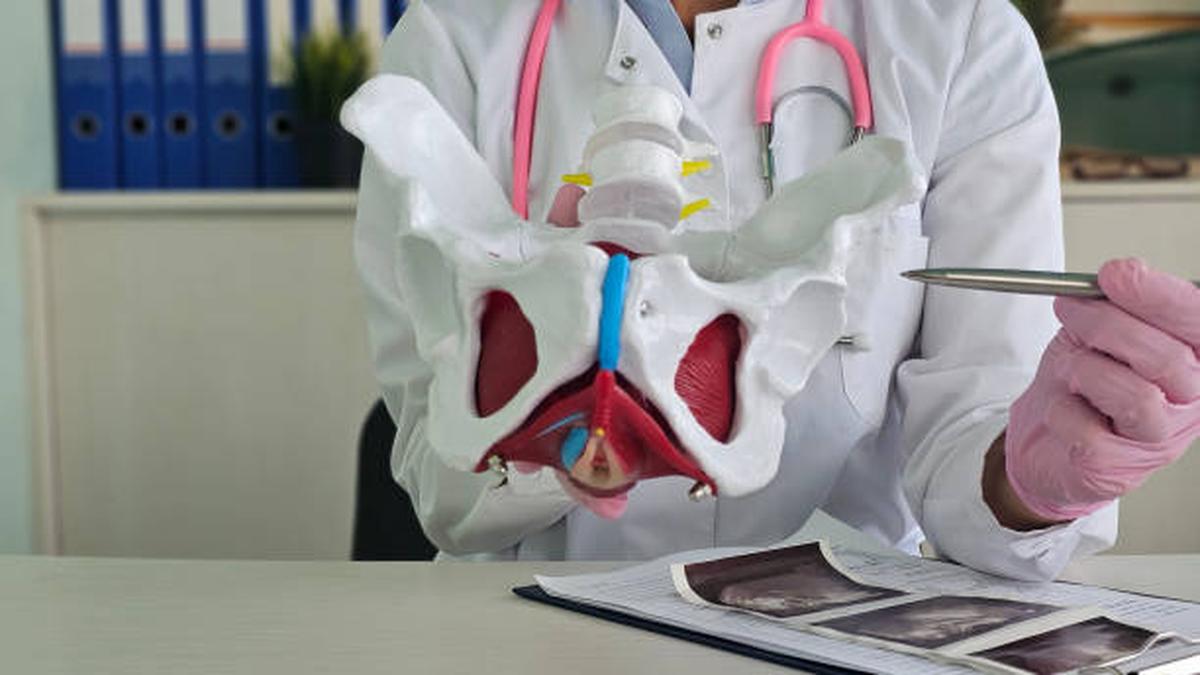
Pelvic organ prolapse (POP), where organs like the bladder or uterus drop into the vagina, is common, especially after childbirth or in older women.
It can cause issues like leaks, discomfort, and difficulty.
Many women don't seek help due to stigma or lack of awareness.
Early treatment, like exercises or surgery, can greatly improve life quality.
Experts stress that with education and timely medical help, women can feel better.
Lifestyle changes and recognizing the condition can make a big difference.

Pelvic organ prolapse (POP) affects up to 21% of women, especially after childbirth.
Weakening of pelvic floor muscles and connective tissue cause POP.
Many women delay care due to stigma and lack of awareness.
Early intervention like physiotherapy or surgery can help.
Experts emphasize the need for awareness and better programs.
- Who
- Women, especially postmenopausal women and those with childbirth.
- What
- Pelvic organ prolapse, a condition where pelvic organs descend from their normal positions.
- When
- Early detection is key, symptoms may develop over time.
- Where
- India, but globally relevant.
- Why
- Weakening of pelvic floor muscles, multiple vaginal deliveries, lack of awareness.
Views on Early Intervention
Views on Awareness and Support
Timing of Treatment
Views on Early Intervention
Many women see prolapse as a natural part of aging or childbirth, delaying care.
Views on Awareness and Support
Early intervention can significantly improve a woman's quality of life.
Awareness and Support
Views on Early Intervention
POP remains absent from national health conversations and specific programs are lacking.
Views on Awareness and Support
Doctors say the real number may be closer to 70–80%, with most cases going unreported due to stigma or lack of awareness.
- Prevalence
- Up to 21% of women may experience clinically relevant POP.
- Causes
- Weakening of pelvic floor muscles, multiple vaginal deliveries, menopause, heavy lifting.
- Symptoms
- Urinary leakage, dragging sensation, difficulty with urination or bowel movements.
- Treatment
- Pelvic floor physiotherapy, surgery.
- Impact of Menopause
- Plays a critical role due to the natural drop in estrogen, which compromises the strength and elasticity of pelvic tissues.