Archive · 2 Dec 2025
Chernobyl Fungi Thrives in Extreme Radiation

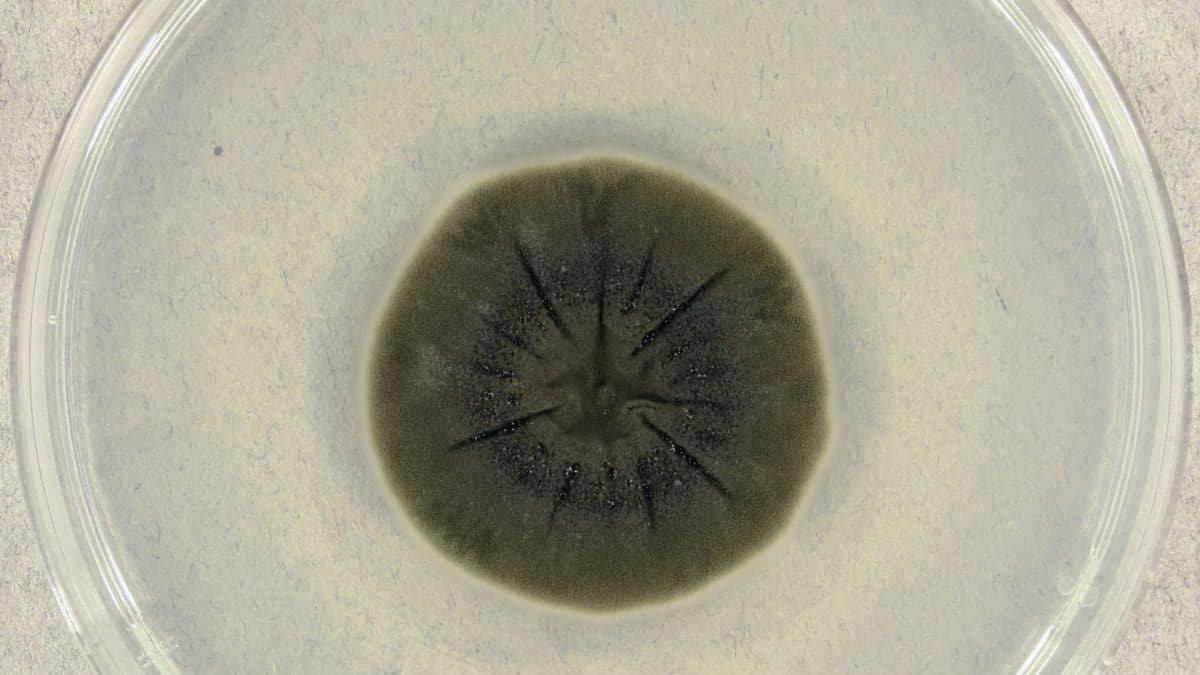
Scientists found black fungi growing in the Chernobyl nuclear reactor, which exploded in 1986.
These fungi love radiation and grow towards it, a process called radiotropism.
The fungi have a lot of melanin, the same stuff that makes our skin dark, which helps protect them from radiation.
This melanin might even help the fungi use radiation for energy.
This discovery helps us understand how life can survive in extreme conditions and might help protect astronauts in the future.

Black fungi were discovered thriving in Chernobyl's highly radioactive environment in 1997.
The fungi exhibit radiotropism, growing towards ionizing radiation, likely due to high melanin content.
Melanin in the fungi absorbs radiation, dissipates its energy, and acts as an antioxidant.
Scientists are puzzled by how well the fungi are doing despite the extreme radiation levels.
The discovery helps us understand how life adapts to extreme radiation and might aid in space travel research.
- Who
- Scientists, including Nelli Zhdanova
- What
- Discovery of black fungi thriving in Chernobyl's highly radioactive environment
- When
- Initial discovery in 1997
- Where
- Chernobyl, Ukraine
- Why
- To understand how life adapts to extreme radiation
- Location
- Chernobyl, Ukraine
- Year of Discovery
- 1997
- Scientist
- Nelli Zhdanova
- Fungi Species
- Cladosporium sphaerospermum
- Key Pigment
- Melanin
- Radiation Process
- Radiotropism