Archive · 17 Nov 2025
India's Air Pollution Spreads to Cleaner Cities and Towns
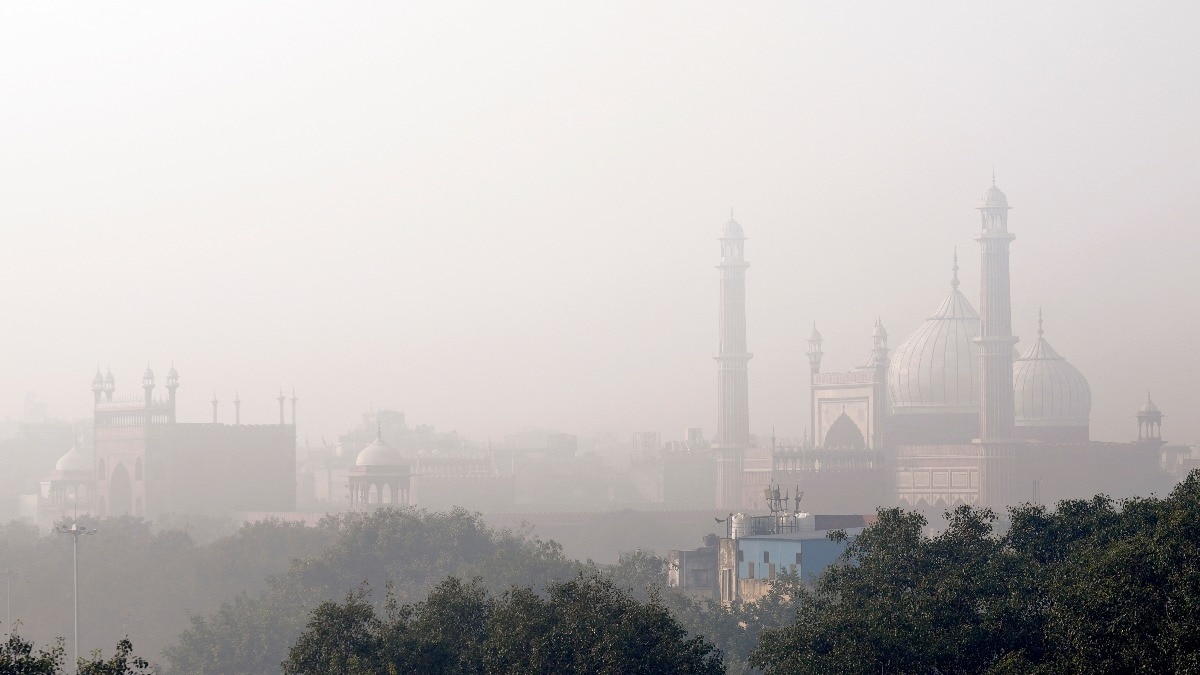
Air pollution in India is getting worse, and it's not just in big cities anymore.
Even places that used to have very clean air, like some towns in Jammu and Kashmir and Himachal Pradesh, are now breathing unhealthy air.
This is because pollution is spreading everywhere, not just staying in the big cities.
Experts say this is happening because of things like factories making bricks, people burning wood for heat, and how the weather traps pollution, especially in the winter.
While some of the dirtiest cities have gotten a little bit cleaner, they are still not safe to breathe in.
Breathing the air in places like Delhi is like smoking many cigarettes every day, which is very bad for people's health.
Experts think we need to change how we manage pollution to fix this problem.

India's air pollution crisis has expanded beyond major cities, affecting smaller towns and formerly clean hill stations.
Cities like Sopore and Kullu have seen their annual Air Quality Index (AQI) rise significantly, moving into 'moderate-to-poor' categories.
While some heavily polluted cities show marginal AQI improvement, their air quality remains unsafe.
Experts cite brick kilns, biomass burning, unpaved roads, and winter inversion as key contributors to the worsening air quality.
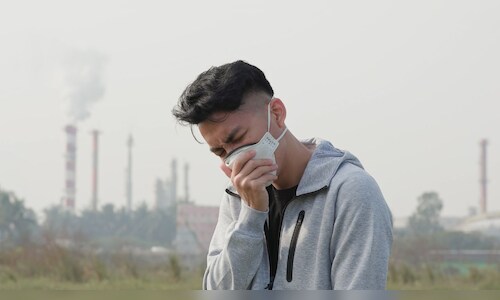
Health impacts are severe, with residents in polluted areas inhaling air equivalent to smoking multiple cigarettes daily.
- Who
- Residents of Indian cities and towns, including those previously known for clean air, and environmental experts.
- What
- A significant worsening and spread of air pollution from major cities to smaller towns and previously clean hill stations, leading to health risks.
- When
- 2025, with specific data referencing January 2025 and a comparison period from 2023.
- Where
- Across India, affecting major industrial and metropolitan hubs as well as smaller towns and hill cities, particularly in northern India.
- Why
- Factors include brick kilns, biomass burning, unpaved roads, diesel pump irrigation, winter inversion conditions, and weak enforcement of emission rules.
Urgent Emission Management
Gradual Improvement and Sustainability
Strategy for Air Quality
Urgent Emission Management
Experts advocate for an airshed approach rather than a city-centric one, prioritizing health and demanding immediate implementation of stricter emission control measures.
Gradual Improvement and Sustainability
While not explicitly stated, the context implies that the mentioned marginal improvements in some larger cities suggest that some measures are having an effect, hinting at the possibility of gradual progress and sustainable long-term solutions.
Focus on Metrics
Urgent Emission Management
Experts emphasize managing actual emissions over focusing on Air Quality Index (AQI) 'optics', calling for mandatory measures like flue-gas desulphurisation, kiln modernisation, and dust control.
Gradual Improvement and Sustainability
The previous improvement in 2023 and marginal gains in major cities suggest a degree of success with existing or prior strategies, implying that a phased approach may be effective.
- Trend
- Deterioration of air quality in previously clean cities and towns in India.
- Previously Clean Cities Affected
- Aizawl, Sopore, Kullu, Rajouri, Kulgam, Handwara, Manali.
- Larger Polluted Cities Showing Marginal Improvement
- Delhi, Greater Noida, Bhiwadi, Jaipur, Kolkata.
- AQI Changes (2023-2025)
- Sopore: 24 to 74; Kullu: 28 to 95; Rajouri: up to 98; Aizawl: 32 to 62; Kulgam: 89; Handwara: 75; Manali: 84. Delhi: 203 to 159; Greater Noida: 211 to 135; Bhiwadi: 174 to 122.
- PM2.5 Levels (Jan 2025)
- Delhi: 255.68 µg/m3; Jaipur: 79.74 µg/m3; Kolkata: 76.32 µg/m3.
- Health Impact Equivalence
- Breathing Delhi's air equivalent to smoking ~11 cigarettes/day; Kolkata & Jaipur ~4 cigarettes/day.
- Key Challenges Identified
- Weak emission rule enforcement, reliance on BS-IV diesel trucks, seasonal vs. year-round measures, delayed industrial retrofits, inadequate rural monitoring.