

Archive · 23 May 2025
Intermittent Fasting and IBS: Weighing Potential Benefits and Risks
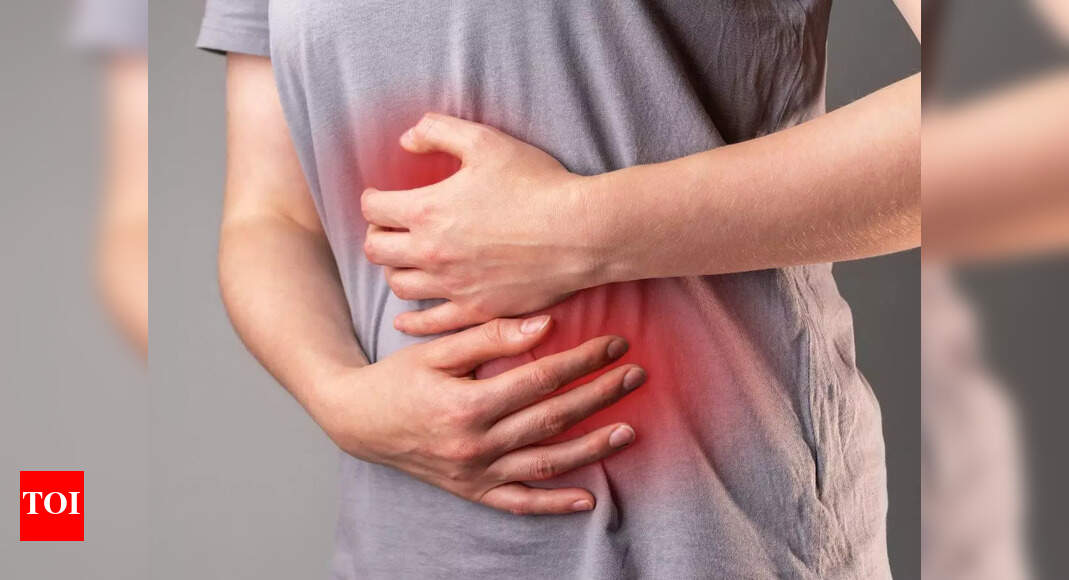
Intermittent fasting is a popular eating pattern where you cycle between eating and not eating.
For people with Irritable Bowel Syndrome (IBS), this can be tricky.
IBS causes tummy troubles like pain and bloating.
While IF might help some IBS sufferers by improving their gut health, it can also make symptoms worse for others.
Skipping meals, especially breakfast, can mess with your digestion and cause constipation or nausea.
If you have IBS, it's important to talk to a doctor before trying intermittent fasting to see if it's right for you.

Intermittent fasting (IF) has gained popularity for weight management and metabolic health.
IBS is a functional gastrointestinal disorder causing abdominal pain, bloating, and altered bowel habits.
Various IF methods exist, including 5-2 plan, 24-hour fasts, and 16-8 diets.
IF can benefit IBS by diversifying gut microbiome and decreasing inflammation.
For some IBS sufferers, IF may worsen symptoms like indigestion and constipation.
- Who
- People with IBS and those considering intermittent fasting.
- What
- The effects of intermittent fasting on Irritable Bowel Syndrome.
- When
- The article does not specify a particular time frame.
- Where
- The article does not specify a location.
- Why
- To understand the potential benefits and risks of intermittent fasting for individuals with IBS.
Potential Benefits of Intermittent Fasting for IBS
Potential Risks of Intermittent Fasting for IBS
Impact on Digestion
Potential Benefits of Intermittent Fasting for IBS
Intermittent fasting can introduce diversity into gut microbiome and may increase the population of beneficial gut microorganisms.
Potential Risks of Intermittent Fasting for IBS
Intermittent fasting may interfere with the normal digestive tract, potentially leading to digestive discomfort.
- Condition
- Irritable Bowel Syndrome (IBS)
- Popular Diet
- Intermittent Fasting (IF)
- IBS Symptoms
- Abdominal pain, bloating, altered bowel habits
- IF Benefits (Potential)
- Improved gut microbiome, decreased inflammation
- IF Risks (Potential)
- Worsened indigestion, constipation, nausea