

Archive · 19 Jun 2025
Women Face Climate Change's Brunt, Innovate Solutions
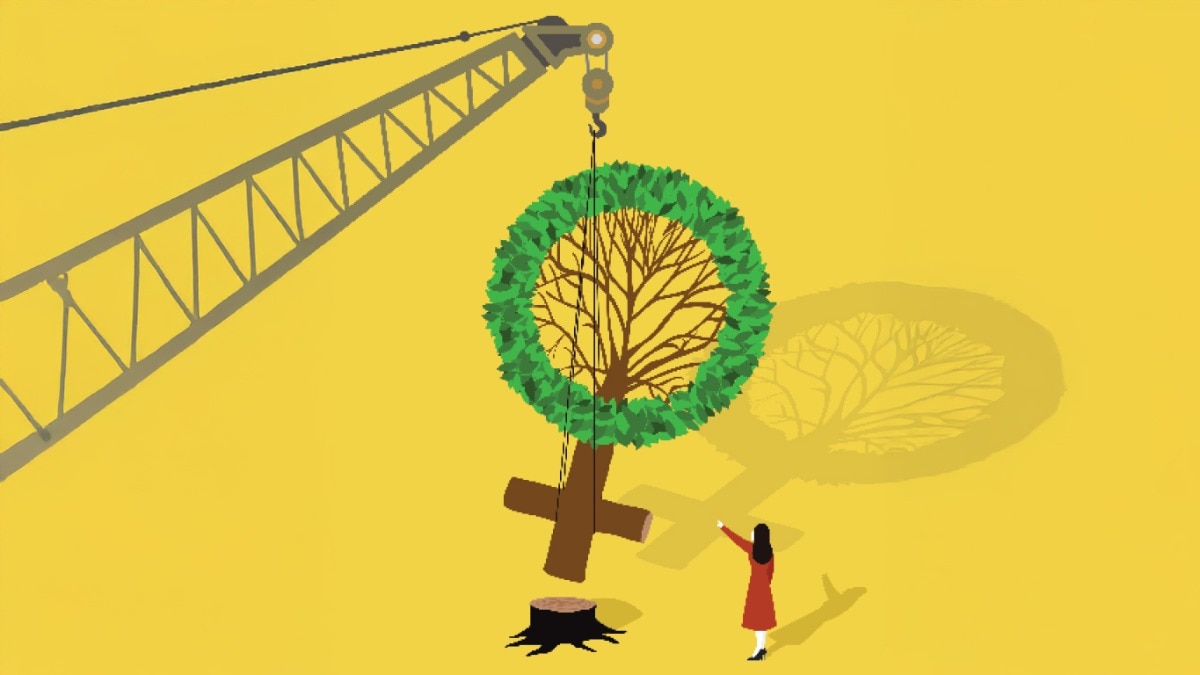
Climate change affects women differently, often making their lives harder, especially in poor areas.
Women frequently have to walk further for water and fuel, and they also do most of the unpaid work at home.
Climate change may push millions more women into poverty, but women are also finding solutions.
They are using smarter farming techniques and sharing their knowledge to help.
India needs to make sure women are part of climate change plans and have the resources they need to adapt and lead in addressing this crisis.

Climate change disproportionately impacts women, particularly in low-income settings.
Women are often responsible for securing water and fuel, adding to their burdens during extreme weather.
Women are key in adapting to climate change by utilizing resilient agricultural methods.
India's climate plans acknowledge the effects on women but lack consistent targeted strategies.
To enhance climate justice, India should increase women's participation in climate policy and provide access to resources.
- Who
- Women in general, especially those in low-income rural and urban areas; government officials, and researchers.
- What
- The impact of climate change on women and the solutions they are implementing.
- When
- Information presented is current.
- Where
- Focus on India, with specific examples in Telangana and Odisha.
- Why
- Climate change exacerbates existing inequalities and creates new vulnerabilities for women, but they are also vital in building resilience.
- Female workers in agriculture (India)
- 63%
- Women's share of unpaid work globally
- 2.5 times more than men
- People displaced by climate change (UN Environment)
- 80% are women and girls
- Potential increase in women and girls in poverty by 2050 (UN)
- Up to 158 million