

4 days ago
How Lifelong Learning and Adaptability Can Future-Proof Your Career

Jobs can change because technology and the economy keep changing.
A degree may not provide every skill someone needs for an entire career.
People can stay ready by learning new things throughout their lives.
They should also become comfortable using digital tools, including artificial intelligence.
Skills such as communication, teamwork, and problem-solving are useful in many different jobs.
Meeting people and building professional relationships can create opportunities and provide guidance.
Workers should stay open to changing roles, industries, locations, or types of work.
Taking care of physical and mental health helps people keep learning and adapting.
Preparing for the future is less about guessing exactly what will happen and more about being ready for change.

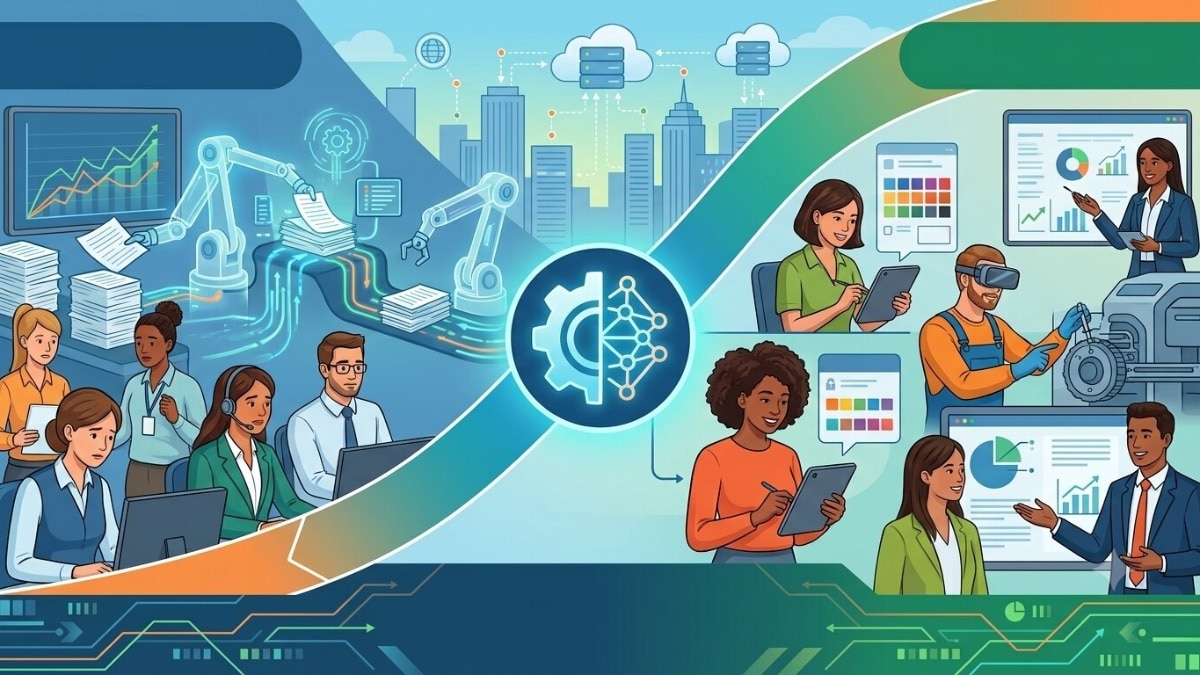
Rapid advances in automation, artificial intelligence, and new work models are changing careers.
Lifelong learning through courses, certifications, webinars, books, and podcasts can help workers stay relevant.
Digital fluency is increasingly important across both technical and traditionally non-technical professions.
Communication, teamwork, problem-solving, and critical thinking are transferable skills that support career resilience.
Networking, adaptability, and personal well-being can help people manage career changes and sustain long-term growth.
- Who
- Students and professionals.
- What
- Guidance on building resilient, adaptable, and relevant careers in a changing world of work.
- Where
- Across workplaces and industries, including marketing, engineering, education, medicine, architecture, transportation, and retail.
- When
- As technology, industries, and workplace practices continue to change.
- Why
- To help people remain employable, confident, and capable of managing future career changes.
Key facts
- Main challenge
- Preparing for jobs that may look different because of automation, artificial intelligence, economic shifts, and new ways of working.
- Learning approach
- Use online courses, certifications, webinars, books, podcasts, and self-study to continue developing skills.
- Suggested learning habit
- Dedicate at least a few hours each month to upgrading skills.
- Digital skills
- Learn to use, adapt to, and question digital tools used in a chosen industry.
- Transferable skills
- Communication, teamwork, problem-solving, and critical thinking apply across industries.
- Career flexibility
- Remain open to lateral moves, new geographies, and interdisciplinary work.
- Well-being
- Exercise, mindfulness, and healthy work boundaries can support long-term adaptability and growth.
Sources
Related news

Universities Urged to Prepare Students for an Evolving World
New Technologies Are Opening Career Paths Across Many Industries

Higher Education Adapts to Changing Workforce Skill Demands

Five Capabilities Students Need Before Their First Job

AI’s Future Hinges on Regulation, Cost, Jobs and Education
