

Archive · 7 Nov 2025
WMO Reports Record Heat for 2023-2025 and Warns of Climate Crisis
The World Meteorological Organization, which is a group of weather experts, released a report saying that the last few years, specifically 2023, 2024, and 2025, have been the hottest years ever recorded.
They also said that the last ten years, from 2015 to 2025, have been super hot.
Right now, our planet is about 1.4 degrees Celsius warmer than it used to be a long time ago before we started burning lots of fossil fuels.
This means 2025 is probably the second or third hottest year ever.
The report also says the oceans are getting much warmer and the ice in cold places is melting fast, making the sea level rise.
This causes more floods and wildfires.
The amount of gases that warm the Earth, like carbon dioxide, are at their highest levels.
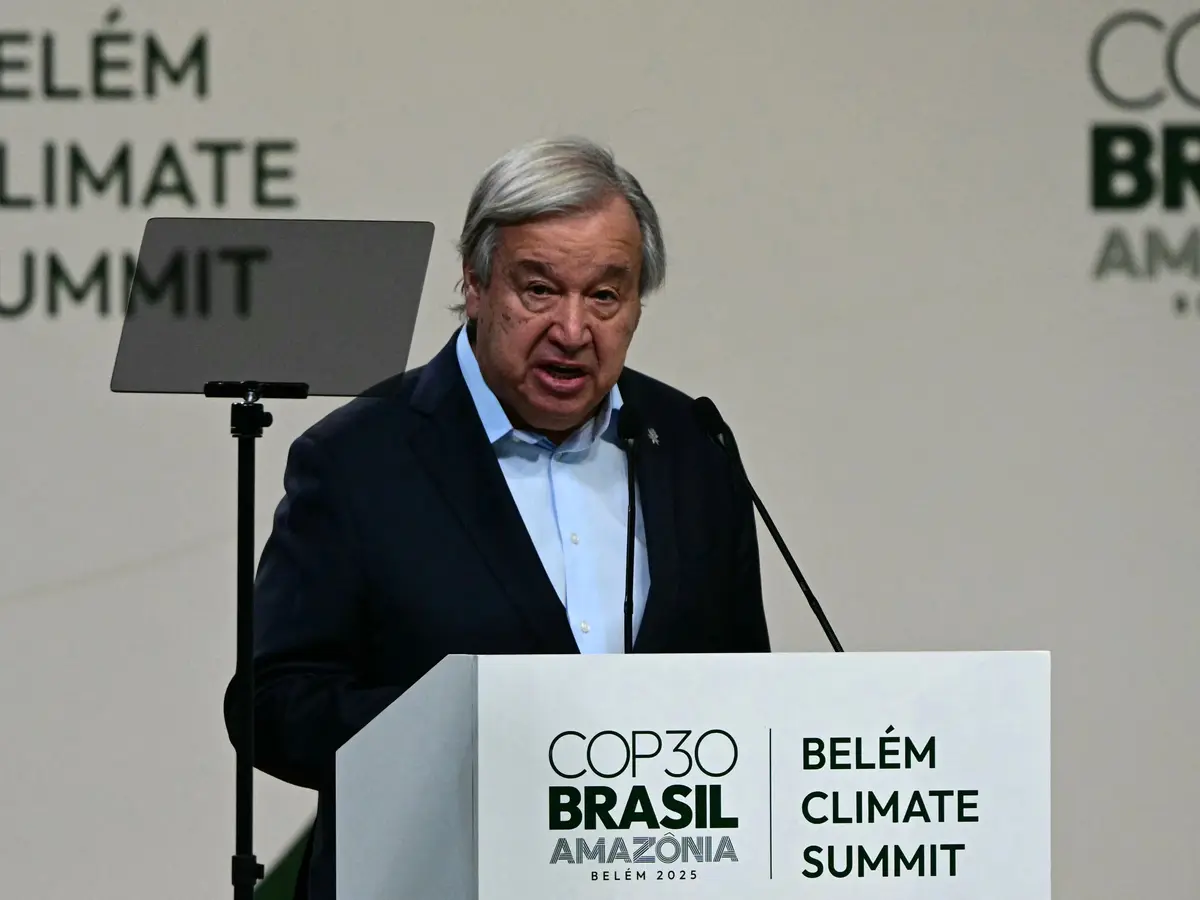
The leader of the United Nations, António Guterres, said that if we keep getting this hot, it will cause big problems for everyone, like hurting our economies and making people unequal.
He said we need to act faster to stop the planet from getting even hotter.

The World Meteorological Organisation (WMO) reported that the period from 2023 to 2025, as well as 2015-2025, have been the hottest on record.
Global temperatures so far in 2025 are approximately 1.4°C above the pre-industrial average, positioning 2025 as potentially the second or third warmest year.
The WMO report highlights increasing ocean heat, shrinking sea ice, and accelerating sea-level rise, intensifying extreme weather events like heatwaves, floods, and wildfires.
Greenhouse gas concentrations (CO2, methane, nitrous oxide) reached record highs in 2024 and are expected to be higher in 2025, while glacier ice loss in 2023/2024 was the largest recorded since 1950.
UN Secretary-General António Guterres warned that exceeding the 1.5°C warming limit will have severe economic, social, and environmental consequences, urging for accelerated climate action.
- Who
- World Meteorological Organisation (WMO), UN Secretary-General António Guterres, WMO Secretary-General Celeste Saulo
- What
- The WMO released its 'State of the Global Climate Update 2025', detailing record-breaking heat from 2023-2025, rising sea levels, significant glacier melt, and record greenhouse gas concentrations, leading to urgent warnings about exceeding the 1.5°C warming limit.
- When
- Report released on Thursday, November 6, 2025. Data covers periods including 2015-2025, 2023-2025, and January-August 2025.
- Where
- Global
- Why
- The report highlights the intensifying effects of global warming, including rising ocean heat, shrinking sea ice, and accelerating sea-level rise, which put lives, food systems, and economies at risk and threaten to exceed the critical 1.5°C temperature limit.
WMO Findings
Implications of Climate Data
Temperature Records
WMO Findings
The period from 2023 to 2025, and the decade from 2015 to 2025, have seen record-breaking heat. Global temperatures so far in 2025 are about 1.4°C higher than the pre-industrial average, making it likely the second or third-warmest year on record.
Implications of Climate Data
UN Secretary-General António Guterres, citing the report, warned that each year above 1.5°C will strain economies, widen inequalities, and cause lasting damage, emphasizing the need for faster and broader climate action.
Greenhouse Gas Levels and Ice Loss
WMO Findings
Concentrations of carbon dioxide, methane, and nitrous oxide reached record highs in 2024 and early indications suggest they will be even higher in 2025. The hydrological year 2023/2024 saw the largest recorded ice loss since 1950 from reference glaciers.
Implications of Climate Data
WMO Secretary-General Celeste Saulo stated that the continued rise in temperatures and greenhouse gases makes it extremely difficult to limit warming to 1.5°C without briefly exceeding it, though it remains possible and essential to bring temperatures back down.
- Report Name
- State of the Global Climate Update 2025
- Reporting Agency
- World Meteorological Organisation (WMO)
- Date of Report Release
- Thursday, November 6, 2025
- Average Temperature Anomaly (Jan-Aug 2025)
- 1.42°C ± 0.12°C above pre-industrial average
- Period of Record Heat
- 2023-2025 and 2015-2025
- Sea Level Rise Acceleration
- Nearly doubled from 2.1 mm/year (1993-2002) to 4.1 mm/year (2016-2025)
- Largest Glacier Ice Loss (since 1950)
- 450 gigatonnes in 2023/2024
- CO2 Concentration (2024)
- 423.9 ppm
Sources
UN Predicts 2025 Will Rank Among Three Hottest Years on Record

‘Unprecedented streak of high temperatures’: 2025 set to be among top three warmest years, says World Meteorological Organization
'You’re failing the planet’: UN chief blasts nations at COP30 in Brazil
