

Archive · 9 Dec 2025
Research Shows Mixed Impact of Nano Urea
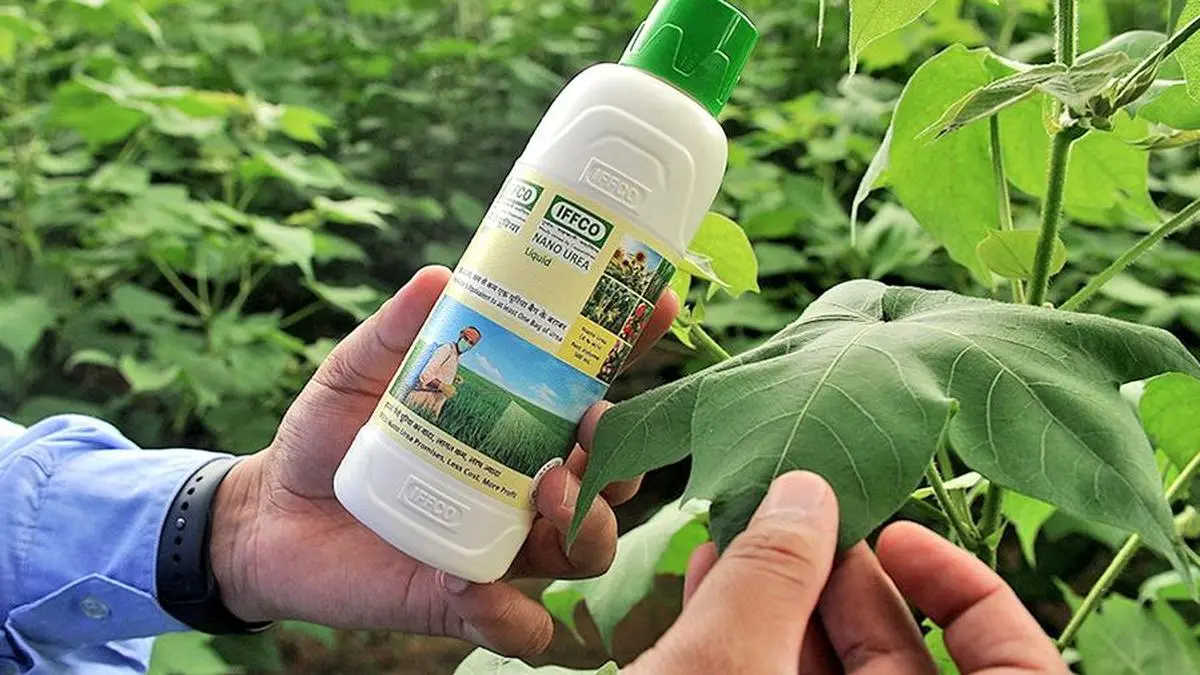
Scientists in India have been studying a special kind of fertilizer called nano urea.
Some studies found that using nano urea can make crops like rice and wheat grow less and not be as healthy.
But in other places, it helped some crops grow more.
The government is doing a big five-year study to learn more about how nano urea affects soil and crops.
They are also working on making mangoes that can handle bad weather and keeping old types of crops from disappearing.
Farmers can now use a special website called SATHI to register their seeds.

Research by Punjab Agricultural University and other institutions found that nano urea reduced grain yield and quality in some cases.
ICAR launched a five-year project to study the long-term effects of nano urea on soil nutrients and crop yield.
Some trials showed that replacing 25% of traditional nitrogen with nano urea increased yield by 5-15% in cereals and oilseeds.
Climate-resilient mango varieties like Arka Udaya, CISH Arunika, and Awadh Abhaya have been developed by ICAR institutes.
Natural farming has shown improvements in soil health and microbial diversity, with increased soil organic carbon levels.
- Who
- Punjab Agricultural University, ICAR, and other institutions
- What
- Research on the impact of nano urea on grain yield and quality
- When
- Research findings reported on December 9, 2025
- Where
- India
- Why
- To understand the long-term effects of nano urea on soil nutrients, crop yield, and quality
- Research Institutions
- Punjab Agricultural University, Indira Gandhi Krishi Vishwavidyalaya, Vivekananda Parvatiya Krishi Anusandhan Sansthan, ICAR
- Nano Urea Impact
- Reduced grain yield and quality in some cases, increased yield in others
- ICAR Project
- Five-year study on long-term effects of nano urea
- Climate-Resilient Mango Varieties
- Arka Udaya, CISH Arunika, Awadh Abhaya, Pusa Arunima, Pusa Shreshtha
- Natural Farming Impact
- Improved soil health and microbial diversity
- Traditional Crops Conservation
- 1,00,086 extinct or endangered crop varieties conserved
- SATHI Portal
- 11,362 private seed companies registered