

Archive · 11 Jan 2026
AI-Driven 'Project Shudh' Launched to End Manual Scavenging
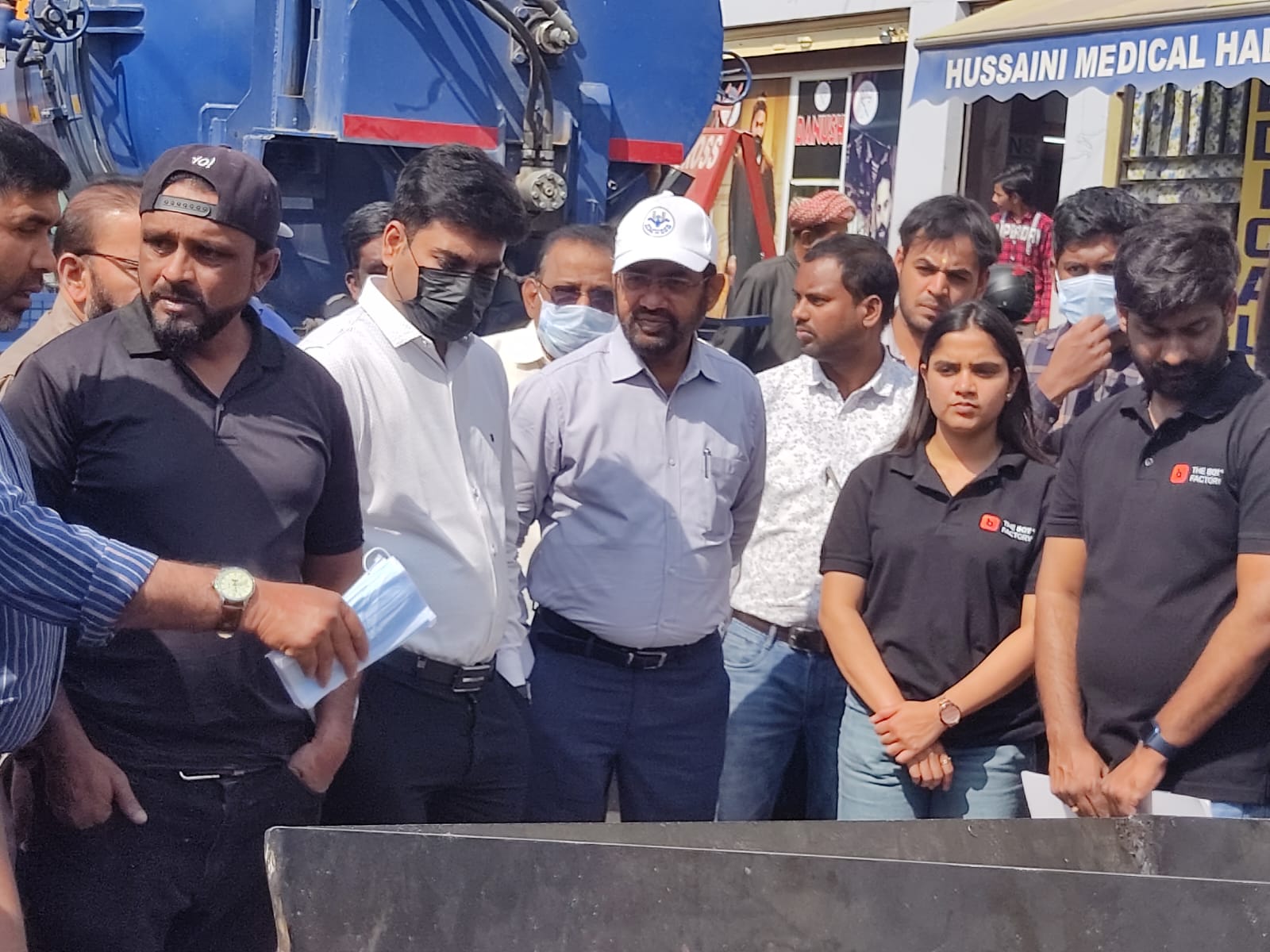
In Hyderabad, a new project called 'Project Shudh' was started to stop people from cleaning sewers by hand.
This project uses robots, computers that learn (AI), and satellites to clean sewers safely.
The robots can clean different types of sewer pipes, and the computers help predict where problems might happen.
This way, people don't have to go into dirty and dangerous sewers.
The project also has a special map that shows the health of the sewers in real-time.
The goal is to make the city cleaner and safer for everyone.

Project Shudh, an AI-driven urban sanitation system, was launched in Hyderabad to end manual scavenging.
The system uses robotics, AI, and satellite intelligence to clean sewers with minimal human interference.
Key features include AI-driven predictive models, GIS and satellite-integrated monitoring, and real-time dashboards.
The project aims to reduce emergency costs, extend sewer infrastructure life, and prevent public health crises.
The success of a 90-day desilting program, which reduced complaints by 60%, was cited as part of the city's goal to become a 'No Sewage Overflow City'.
- Who
- HMWS&SB and Bot Factory
- What
- Launched Project Shudh, an AI-driven urban sanitation system to end manual scavenging
- When
- Pilot launched (exact date not specified)
- Where
- Hyderabad, India
- Why
- To eliminate human risk in sewer manhole cleaning and improve sanitation operations
- Project Name
- Project Shudh
- Location
- Hyderabad
- Collaborators
- HMWS&SB, Bot Factory
- Technologies Used
- Robotics, AI, Satellite Intelligence
- Key Features
- AI-driven predictive models, GIS and satellite-integrated monitoring, real-time dashboards
- Benefits
- Reduced emergency costs, extended sewer infrastructure life, prevention of environmental penalties and public health crises
- Success Metric
- 90-days desilting programme reduced complaints by 60%
- Goal
- Become a 'No Sewage Overflow City'