

Archive · 29 Jun 2025
Telangana Phone-Tapping Controversy Raises Privacy Concerns
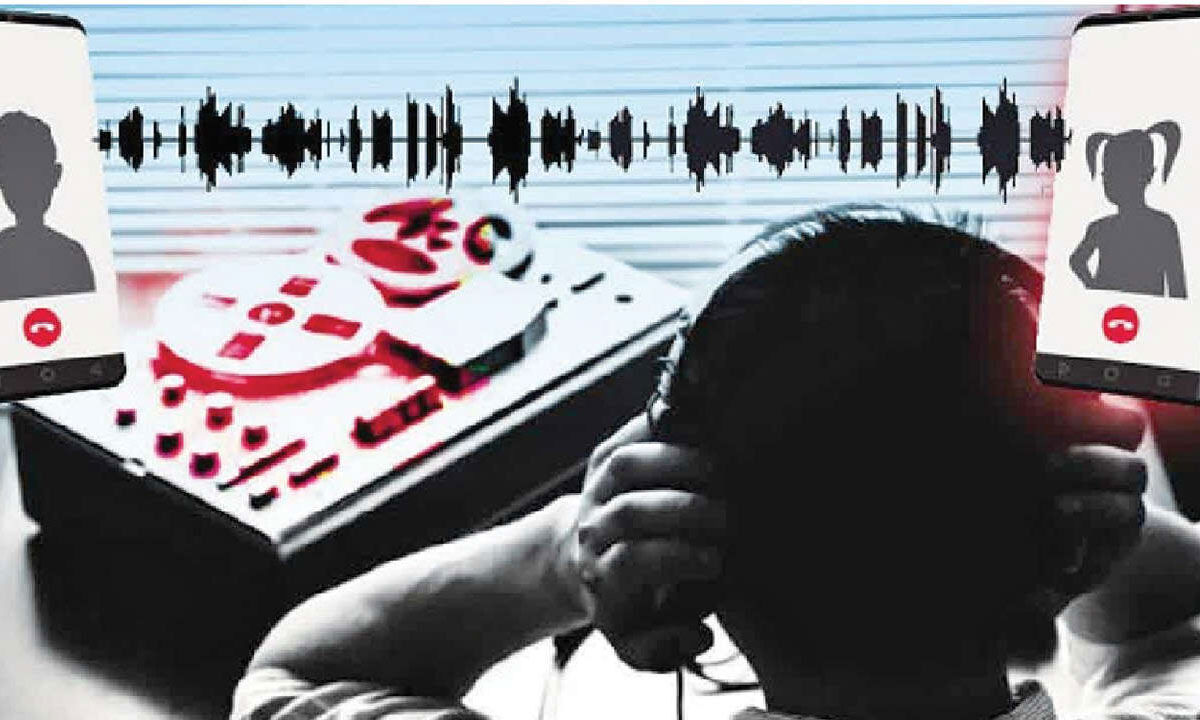
Imagine a device that was created to connect people, like the telephone, but now it's being used to listen in on private conversations.
In Telangana, India, there's a big debate over whether the government tapped the phones of its political rivals.
This brings up a serious question: when is it okay for the government to listen to what people are saying?
The phone has gone from a simple way to chat with friends to a tool that can be used to keep tabs on citizens, potentially hurting people's privacy and freedom.
India needs strong laws to protect personal information in this digital world.

Telangana is investigating alleged phone-tapping of opposition leaders during the previous government.
The controversy has raised concerns about the balance between state surveillance and citizen privacy.
Phone tapping has a history rooted in colonial times and has evolved with technological advancements.
The evolution of the telephone, from a tool of connection to a tool of surveillance, is highlighted.
India's lack of robust privacy laws poses a challenge as technology advances, particularly with AI.
- Who
- Involves the current and former government officials, police, and citizens.
- What
- Investigation into alleged phone tapping of opposition leaders in Telangana, India.
- When
- The controversy dates back to the previous government.
- Where
- Telangana, India.
- Why
- Concerns about the potential misuse of surveillance and the infringement on citizens' privacy.
Concerns
Justifications
Privacy vs. Security
Concerns
The use of surveillance technology by governments can violate the privacy of citizens and political opponents.
Justifications
Governments sometimes need to monitor communications for national security and public safety.
- First Phone Call
- March 10, 1876
- India's First Telephone Service
- 1882
- First Mobile Phone Call in India
- July 31, 1995
- Focus
- Misuse of state apparatus for surveillance.