8 months ago
Genomic Study Reveals Mite-Tick Evolution Puzzle
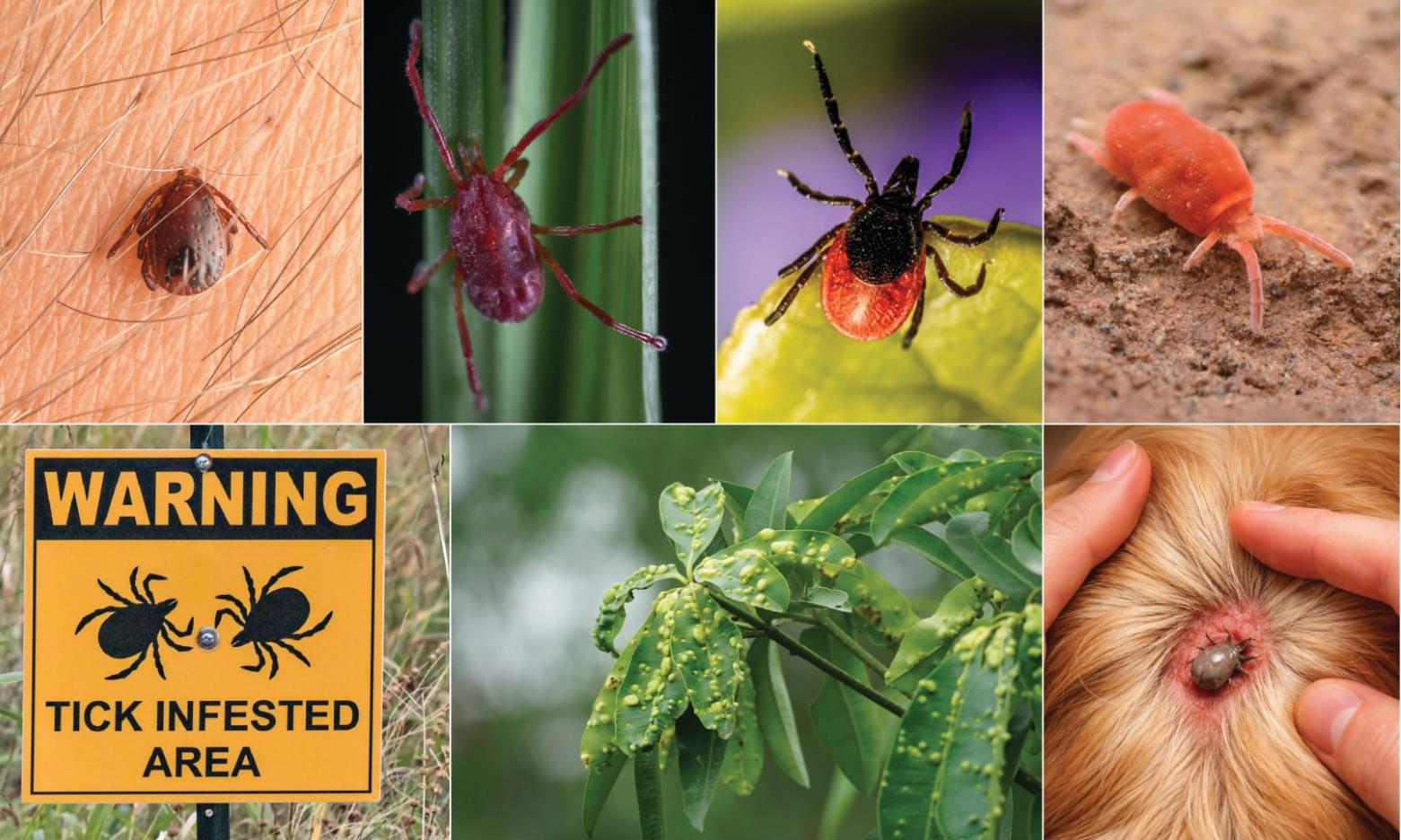
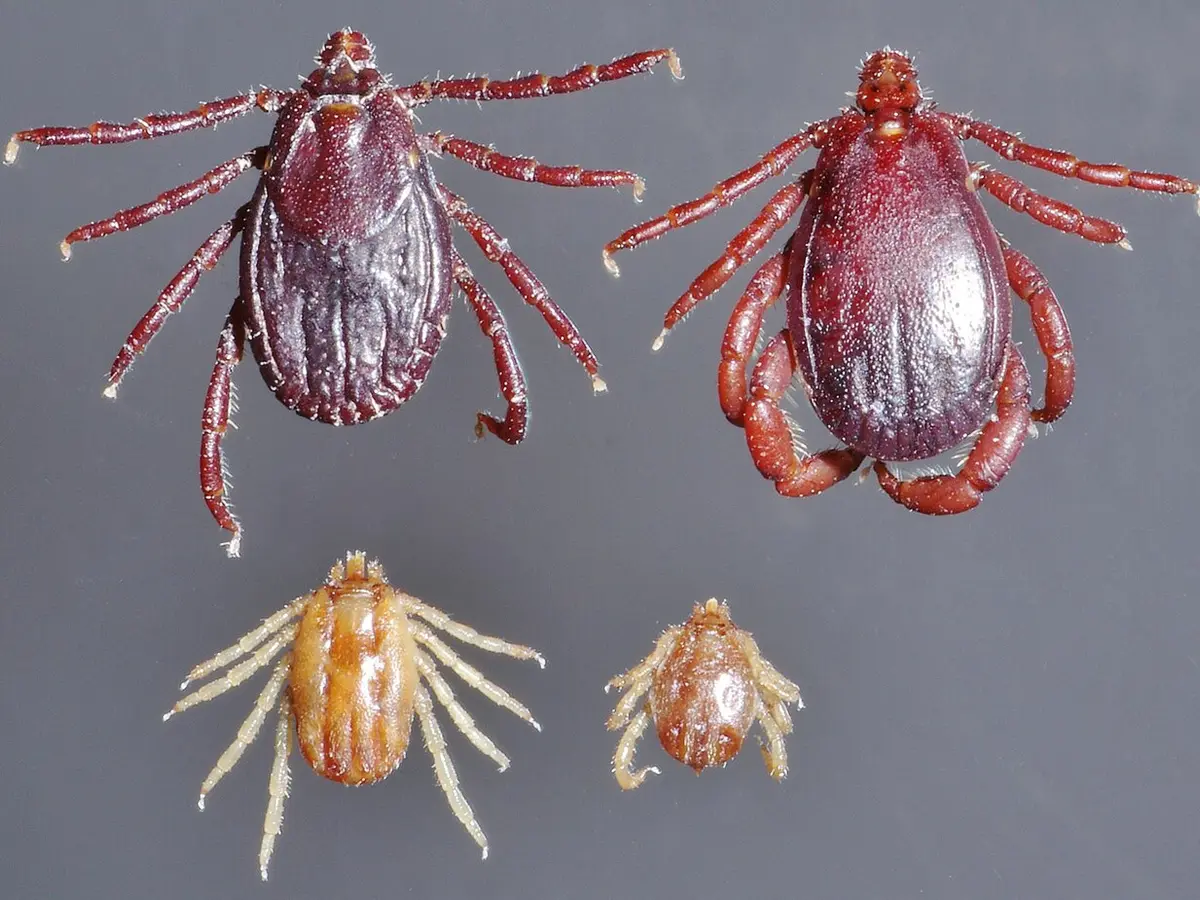
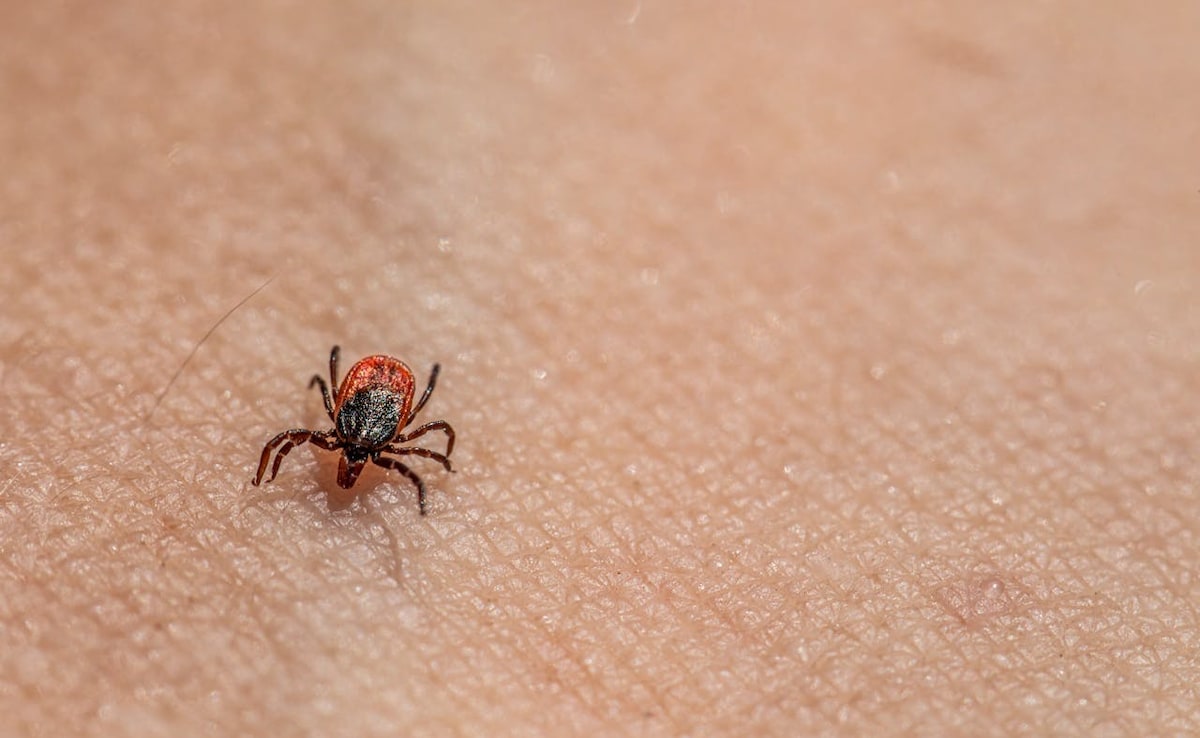
Scientists in Hyderabad did a big study on tiny creatures called mites and ticks.
They looked at the genes of 90 different arachnids, which are animals like spiders and scorpions.
The researchers found out that mites and ticks are actually two different groups that evolved separately over 100 million years.
They used a special method to track how genes moved around, like shuffling a deck of cards.
This helps us understand how these tiny creatures became parasites.
Knowing this can help us predict where diseases might spread and how to stop them.
It's like having a map of their family tree, which is important for keeping people, animals, and the environment healthy.

A genomic study by CCMB researchers solved the evolutionary puzzle of mites and ticks, revealing their diversification over 100 million years.
The study examined 90 arachnid genomes, the largest dataset of its kind, to trace ancient evolutionary relationships.
Researchers analyzed gene composition and physical order on chromosomes, tracking their movements like an evolutionary GPS.
The study confirmed that mites and ticks belong to two separate evolutionary groups: Acariformes and Parasitiformes.
Mapping these relationships can help predict the spread of infections and identify potential new vectors before outbreaks occur.
- Who
- Researchers at the Centre for Cellular and Molecular Biology (CCMB) in Hyderabad, led by Dr. Siddharth Kulkarni, and three undergraduate students from IISER Thiruvananthapuram
- What
- A genomic study that solved the evolutionary puzzle of mites and ticks, revealing how parasitism arose and diversified over 100 million years
- Where
- The research was conducted at the Centre for Cellular and Molecular Biology (CCMB) in Hyderabad, India
- When
- The study was conducted recently, with findings published in a scientific publication
- Why
- To understand the evolutionary relationships among arachnids and to support early warning systems and targeted vector control for infections
Key facts
- Researchers
- Dr. Siddharth Kulkarni, Ramanujan faculty member at CSIR-CCMB, and three undergraduate students from IISER Thiruvananthapuram
- Institution
- Centre for Cellular and Molecular Biology (CCMB)
- Dataset Size
- 90 arachnid genomes
- Evolutionary Groups
- Acariformes (mites) and Parasitiformes (ticks and some mites)
- Timeframe
- Over 100 million years
- Key Finding
- Mites and ticks belong to separate evolutionary groups
- Potential Applications
- Predicting infection spread and identifying new vectors
Quotes
Siddharth Kulkarni
Ramanujan faculty member at the CSIR–Centre for Cellular and Molecular Biology (CCMB), Hyderabad
“Think of it like a deck of cards. Over millions of years, the cards (genes) get shuffled. But if you find two different groups of mites that have the exact same hand of cards in the same order, you know they share a common ancestor.”
 wionews.com