

Archive · 19 Jul 2026
Birdwatchers survey Bengal for owl diversity
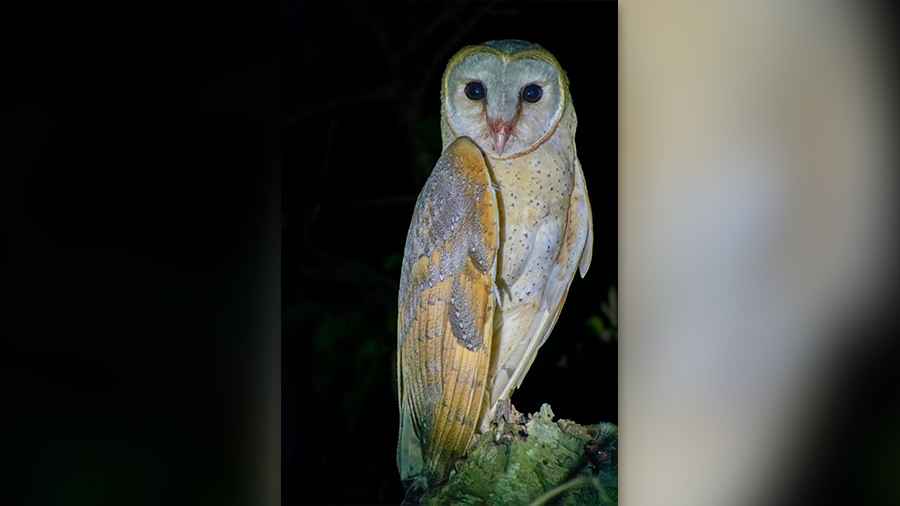
Birdwatchers in Bengal are doing a special survey to find out more about owls.
They are looking in places where owls aren't usually seen, like cities, farms, and edges of forests.
The survey is happening in two parts: once in the first few months of the year and again later in the year.
Different types of owls come out at different times at night, so the birdwatchers have to stay out late to spot them.
Owls are important because they eat rodents that can harm crops.
Some people think owls bring good luck, but others believe they bring bad luck and hurt them.
The survey is helping to protect owls and understand their role in nature.

Birdwatchers’ Society and WWF-India are conducting a survey to map owl diversity and presence across Bengal.
The survey covers 100 locations, focusing on urban, suburban, agricultural lands, and forest edges, excluding forests.
The survey is conducted in two legs: January to mid-April and mid-August to December, to account for different owl activity times.
Owls are important nocturnal predators that help control rodent populations, indicating a healthy ecosystem.
Some owl species, like the Barn Owl, are considered good omens, while others, like the Brown Hawk Owl, are persecuted due to superstitions.
- Who
- Birdwatchers’ Society and WWF-India
- What
- Survey to map owl diversity and presence in Bengal
- When
- January to mid-April, mid-August to December
- Where
- 100 locations across Bengal, excluding forests
- Why
- To assess owl diversity, abundance, and behavioral ecology, and to discover new habitats
- Organizer
- Birdwatchers’ Society
- Partner
- WWF-India
- Survey Locations
- 100 locations across Bengal
- Survey Period
- January to mid-April, mid-August to December
- Owl Species Focus
- Spotted Owlet, Barn Owl, Collared Scops-Owl, Brown Hawk Owl
- Survey Areas
- Urban, suburban, agricultural lands, forest edges
- Ecological Role
- Nocturnal predators, control rodent populations