

Archive · 31 Oct 2025
FBI Opposes House Bill Granting Tulsi Gabbard Counterintelligence Role
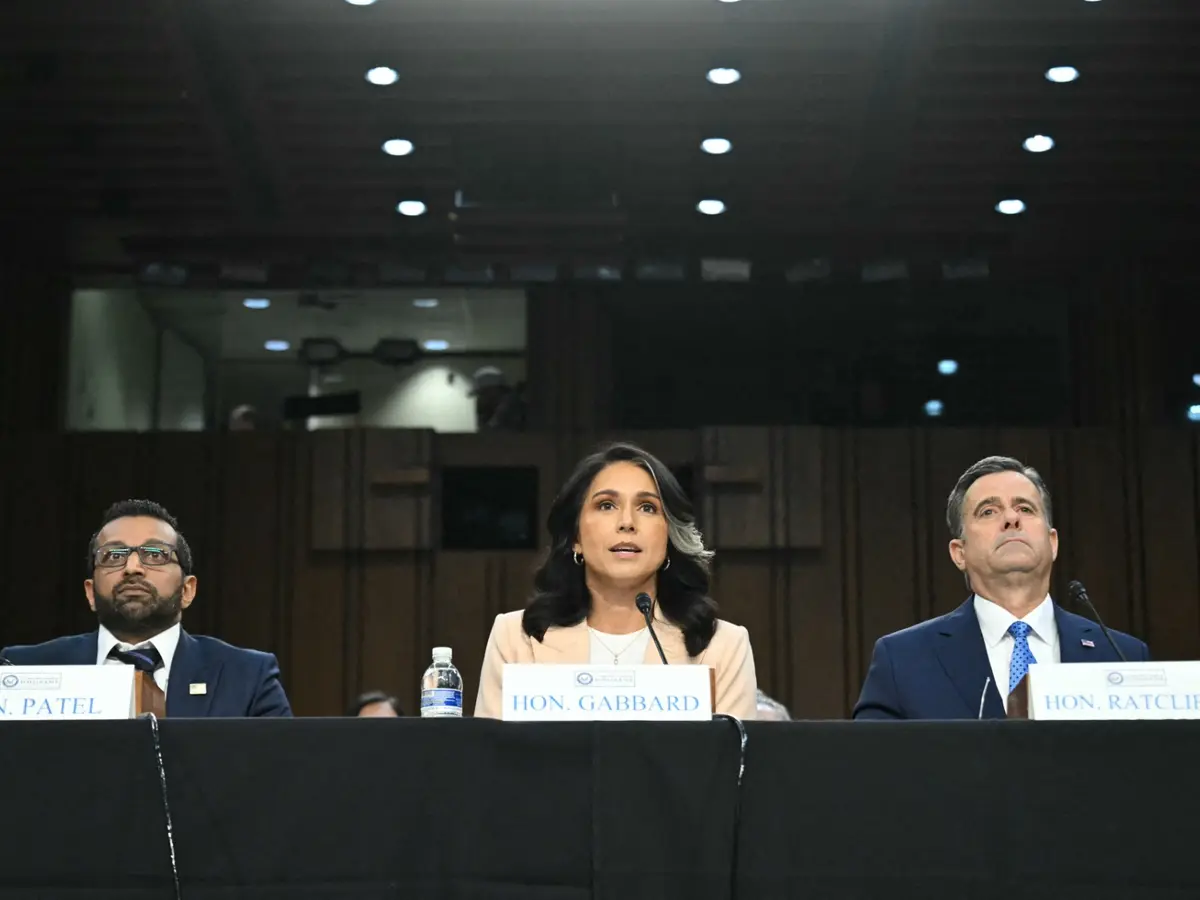
Imagine the FBI is like a team that's really good at catching spies and bad guys who work for other countries.
Now, some people in Congress want to give a different boss, the Director of National Intelligence (DNI), more power over catching these spies.
This new boss might give a special job to someone named Tulsi Gabbard.
The FBI wrote a very strong letter saying they really don't like this idea.
They think it could hurt national security and cause confusion about who is in charge.
The FBI has been doing this job for a long time and has a lot of experience.
They are worried that if the DNI gets too much power, it might mess up how they do their important work.
Some people think this is a good idea to make things more efficient, but the FBI is very worried it will cause more problems than it solves.

A US House bill proposes transferring lead counterintelligence authority from the FBI to the ODNI, potentially involving Tulsi Gabbard.
The FBI has expressed strong opposition to the bill in an unclassified letter to Congress, warning of serious damage to national security.
The FBI cited its decade of experience in counterintelligence and concerns about bureaucratic hurdles and jurisdictional confusion.
Proponents of the bill suggest it would allow for more direct oversight and centralize counterintelligence efforts.
Tulsi Gabbard's past controversial views have also raised concerns within the intelligence community regarding her potential role.
- Who
- FBI, US House of Representatives, Office of the Director of National Intelligence (ODNI), Tulsi Gabbard
- What
- A proposed bill in the US House of Representatives to shift lead counterintelligence authority from the FBI to the ODNI, which could grant a significant role to Tulsi Gabbard.
- When
- Recent, with the FBI expressing its opposition in an unclassified letter to Congress.
- Where
- United States Congress and federal intelligence agencies.
- Why
- The House bill aims to overhaul counterintelligence operations by centralizing authority under the ODNI, while the FBI opposes this, citing concerns about national security, jurisdictional issues, and loss of experience.
FBI's Objections
Potential Rationale for Bill
Authority Over Counterintelligence
FBI's Objections
The FBI asserts it has a decade of experience and strongly disagrees with shifting lead authority, warning of 'serious long-lasting' damage to national security and potential jurisdictional confusion with the DOJ and Attorney General.
Potential Rationale for Bill
The bill aims to overhaul counterintelligence operations by elevating the role of the DNI (and potentially Tulsi Gabbard) to direct control of activities, creating a 'counter-intelligence czar' for more centralized oversight.
Effectiveness and Bureaucracy
FBI's Objections
The FBI argues that placing the DNI in charge would push the agency through a labyrinth of bureaucracy, potentially hindering investigations.
Potential Rationale for Bill
Supporters of the shift believe it is necessary to move from a reactive and risk-averse stance against adversaries like China, Russia, and Iran, who operate on a 'war footing'.
Role of Tulsi Gabbard
FBI's Objections
Concerns exist within the intelligence community that Tulsi Gabbard's 'wildly fringe' views could make her potential appointment alarming and politicize the role, potentially eroding institutional trust.
Potential Rationale for Bill
The proposed legislation seeks to give Gabbard a more direct control of counterintelligence activities, moving her from limited oversight to a central role.
- Proposed Legislation
- Intelligence Authorisation Act
- Bill's Goal
- Shift lead of Federal Counter-Intelligence from FBI to ODNI, potentially for Tulsi Gabbard
- FBI's Stance
- Strongly opposes, citing damage to national security and jurisdictional concerns
- ODNI's Potential Role
- Direct control of counter-intelligence activities, creation of a counter-intelligence czar
- Tulsi Gabbard's Past Statements
- Controversial views on Syrian conflict, Russia, and Assad regime