Archive · 19 Sep 2026
Trump Signs Russia-Iran Law, Opens Path to 100% Tariffs

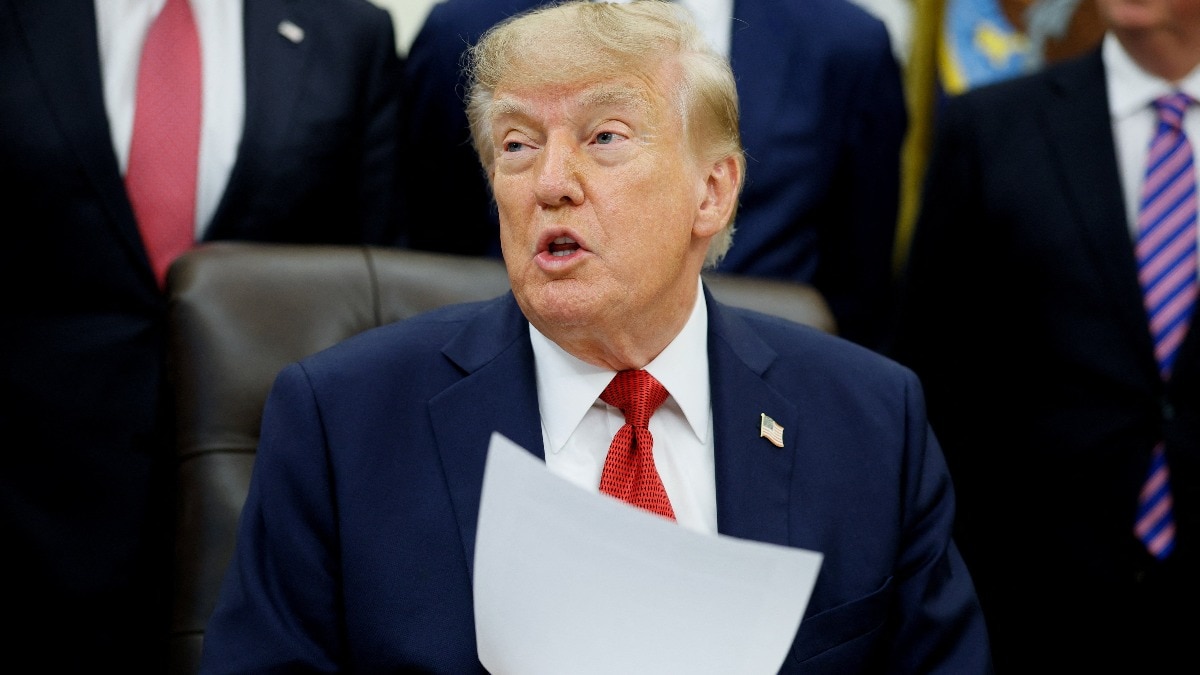
President Donald Trump signed a new law aimed at putting more economic pressure on Russia and Iran.
The law allows tariffs as high as 100% on goods from some countries that buy Russian oil or gas.
India and China are among the major buyers that could potentially face these tariffs.
However, the law does not automatically impose a 100% tariff on either country.
The president can decide which countries are targeted, how high the tariffs are, and whether some rules are waived.
The law also targets Russian officials, banks, defense networks and ships used to move energy.
It extends existing sanctions on Iran’s energy and weapons sectors for five years.
Supporters say the measure could reduce money supporting Russia’s war in Ukraine.
Critics worry that it gives the president too much power over tariffs and could create economic and diplomatic problems.

President Donald Trump signed the Lindsey O. Graham Sanctioning Russia and Iran Act of 2026 on September 18, 2026.
The law authorizes tariffs of up to 100% on goods from the five largest purchasers of Russian crude oil or natural gas, including potentially India and China.
The measure does not automatically impose a 100% tariff on any specific country and gives the president discretion over implementation and waivers.
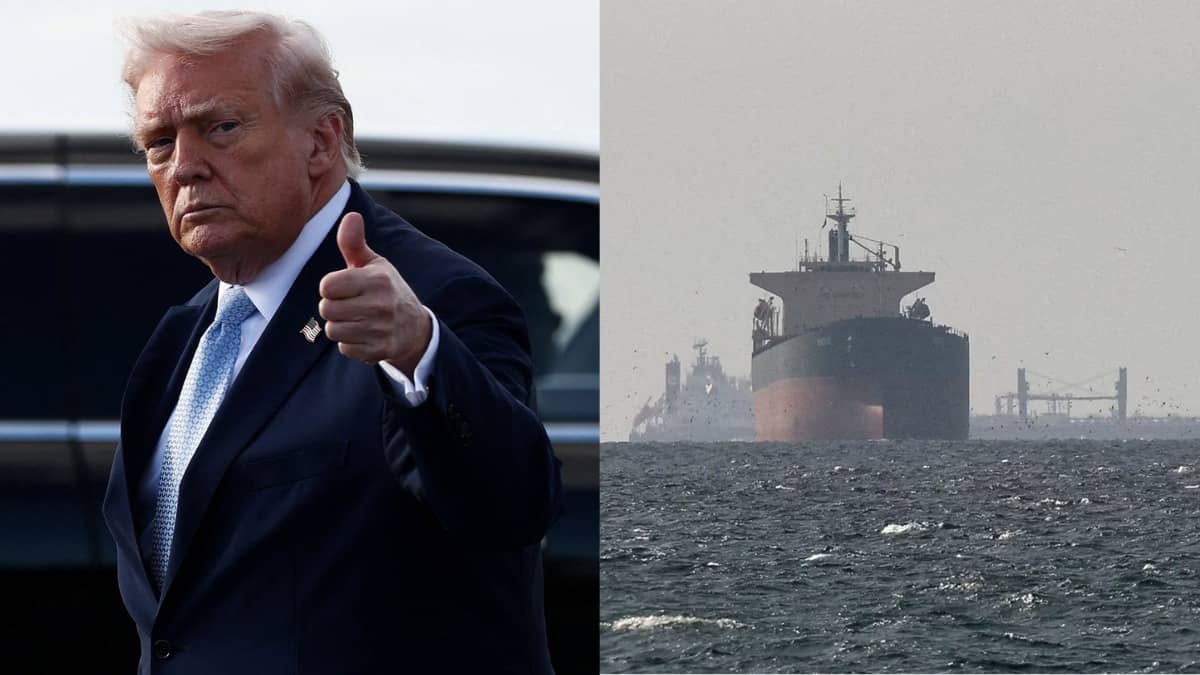
It sanctions Russian officials, financial institutions, defense networks, energy-related actors and the so-called shadow fleet of vessels.
The legislation passed the Senate 86-11 and the House 262-159, while critics warned that expanded tariff powers could harm the U.S. economy and strain international relations.
- Who
- U.S. President Donald Trump signed the law, which targets Russia, Iran and qualifying purchasers or facilitators of Russian energy.
- What
- The Lindsey O. Graham Sanctioning Russia and Iran Act of 2026 expands sanctions and creates a pathway for tariffs of up to 100%.
- When
- Trump signed the legislation on September 18, 2026; the law is reported to take effect within 30 days.
- Where
- The law was signed in the United States and applies to qualifying international trade involving Russian energy.
- Why
- Supporters say it is intended to reduce revenues supporting Russia’s war in Ukraine and pressure countries to reconsider purchases from Moscow.
Supporters and sanctions advocates
Critics and tariff-power opponents
Economic pressure on Russia
Supporters and sanctions advocates
Supporters say targeting Russian energy revenues could reduce resources available for the war in Ukraine and encourage buyers to reconsider their relationship with Moscow.
Critics and tariff-power opponents
Critics and international observers warn that broad tariff measures could create diplomatic friction and disrupt international trade relationships.
Presidential authority
Supporters and sanctions advocates
Supporters favor giving the president tools to impose targeted duties and sanctions against major Russian energy buyers and sanctions-evasion networks.
Critics and tariff-power opponents
Critics, including House Minority Leader Hakeem Jeffries, say the expanded authority is too broad and could lead to tariffs that harm American consumers and the wider economy.
India and China
Supporters and sanctions advocates
Supporters view possible tariffs on major Russian crude buyers as leverage to pressure them to reduce purchases from Moscow.
Critics and tariff-power opponents
The law does not automatically impose a 100% tariff on India or China, and applying the measure could complicate U.S. relations and trade negotiations with those countries.
- Official title
- Lindsey O. Graham Sanctioning Russia and Iran Act of 2026
- Maximum tariff
- Up to 100% on goods from qualifying Russian oil or natural-gas buyers
- Potentially affected countries
- India and China are identified as major buyers of Russian crude
- Targeted Russian interests
- Officials, banks, defense networks, energy-related actors and the shadow fleet
- Iran provision
- Existing sanctions on Iran’s energy and weapons sectors are extended for five years
- Congressional votes
- Senate: 86-11; House: 262-159
- Exemption
- Countries importing less than 15% of Russia’s total gas exports and taking significant steps to reduce imports may qualify for gas-related relief
Sources
Trump signs Russia sanctions bill, clears way for 100% tariff on India and China

Trump signs Russia sanctions bill; India faces 100% tariff risk
Trump Signs Lindsey Graham Russia-Iran Sanctions Act, Gets Power To Slap 100% Tariffs On Russian Oil Buyers