Archive · 26 Jul 2026
India's Metal Recycling Industry Gains Momentum

India's metals industry is moving from mining to recycling.
This change is driven by the need for sustainability and the benefits of using scrap metal.
Recycling uses less energy and is better for the environment.
The government is also supporting this shift with new rules.
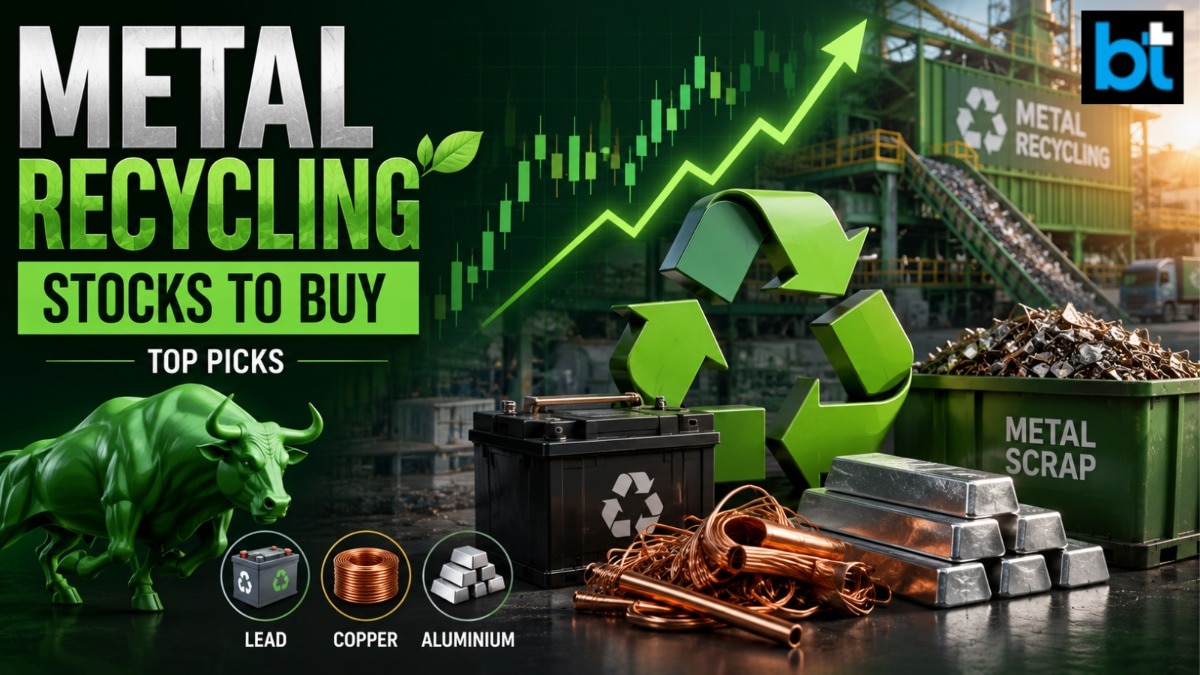
Lead, copper, and aluminium are key metals in this transition.
Companies that recycle these metals can make more money and help the environment.
The future of this industry will focus on making better products from recycled metals.

India's metals industry is shifting from mining to recycling due to sustainability and resource constraints.
Secondary metals offer the same properties as primary metals with lower energy and carbon intensity.
Regulatory frameworks are accelerating the formalisation of scrap processing.
Lead, copper, and aluminium are key metals in this transition, with copper offering the largest long-term opportunity.
Organised recyclers benefit from lower capital intensity, faster asset turns, and improving operating leverage.
- Who
- India's metals industry, organised non-ferrous metal recyclers
- What
- Structural shift from mining to recycling
- When
- July 26, 2026
- Where
- India
- Why
- Rising metal consumption, resource constraints, sustainability requirements, and increasing formalisation of the scrap ecosystem
Pro-Recycling Advocates
Traditional Mining Industry
Environmental Impact
Pro-Recycling Advocates
Recycling reduces energy consumption and carbon emissions significantly.
Traditional Mining Industry
Mining provides jobs and economic benefits that recycling cannot match.
Economic Viability
Pro-Recycling Advocates
Recycling is more cost-effective and sustainable in the long run.
Traditional Mining Industry
Mining is essential for meeting immediate industrial demands and economic growth.
- Report Author
- Ashika Institutional Equities Research
- Key Metals
- Lead, Copper, Aluminium
- Energy Savings
- Secondary aluminium requires 95% less energy than primary production
- Regulatory Frameworks
- Battery Waste Management Rules, Extended Producer Responsibility
- Publication Date
- July 26, 2026