

Archive · 20 Jun 2025
Brahmi Script's Journey: Origins and Evolution Across India
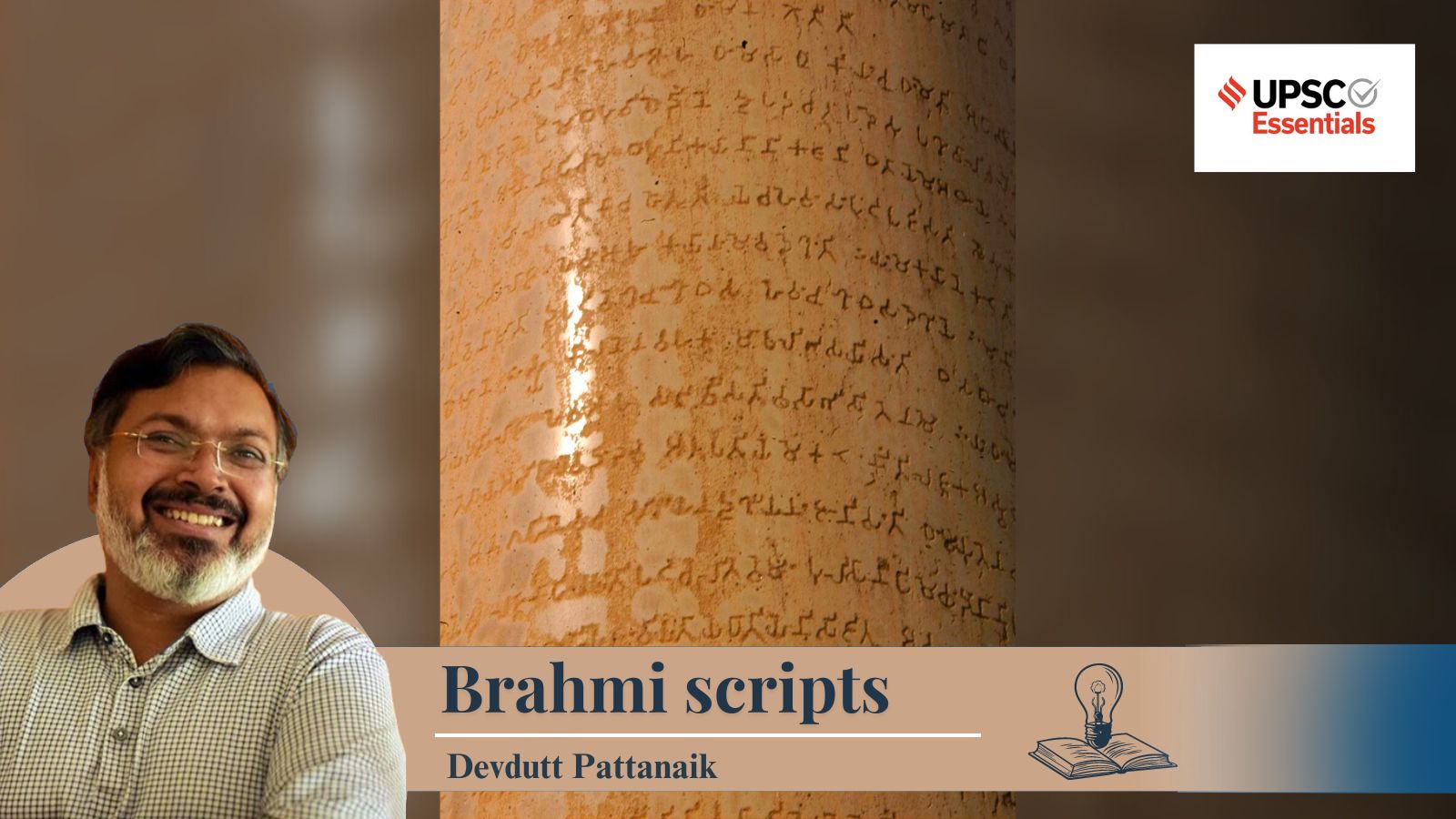
Long ago, people needed ways to write things down.
They developed scripts like Brahmi, where sounds were put together to make words.
Some people wrote on birch bark which made for sharp lines, while others used palm leaves that led to round letters.
From the Nagari script came new scripts like Devanagari, used for many languages including Hindi.
These scripts spread and changed over time, influenced by the materials people used to write.

Brahmi script, an abugida, uses consonants and vowels to generate syllables.
North Indian scripts evolved from Brahmi and have sharper lines.
South Indian scripts, developed on palm leaves, have rounded letterforms.
The Nagari script of the Gupta period split into several scripts.
Material constraints, like birch bark or palm leaves, shaped script visuals.
- Who
- Ancient scribes, the Mauryan king Ashoka, and various religious groups were involved.
- What
- Evolution and distinct features of the Brahmi script and its descendants.
- When
- The Brahmi script was used in the past. Nagari script was established by 1000 AD.
- Where
- The scripts originated in India and spread to Southeast Asia.
- Why
- To prevent loss in transmission of ideas and for effective communication.
Oral vs. Written Transmission
Written Word
Preservation of Knowledge
Oral vs. Written Transmission
Brahmins preferred oral transmission for Vedic hymns.
Written Word
Ashoka adopted writing to prevent loss in transmission of knowledge.
- Script Type
- Abugida (Brahmi)
- Consonants
- Aksharas
- Vowels
- Matrikas
- North Indian Scripts
- Sharper lines due to birch bark
- South Indian Scripts
- Rounded letterforms due to palm leaves
- Devanagari
- Became popular in 19th century